



Table of Contents:
- The Local SEO Landscape in 2025: What Changed and Why It Matters
- How Google Actually Ranks Local Results (Relevance, Distance, Prominence)
- Local Pack (Map) Ranking Factors in 2025: The Heavy Hitters
- Local Organic Ranking Factors in 2025: The Website Side of Local
- Reviews & Reputation: The Trust Engine of Local Search
- On-Page Local SEO in 2025: What to Optimize on Your Site
- Links & Citations: Building Real Local Authority
- Behavioral Signals & Engagement: The “Human” Ranking Factors
- Technical, Mobile, and UX Signals That Influence Local Performance
- Content Strategy for Local SEO in 2025
- Fighting Spam + Staying Compliant
- Tracking & Measuring Local SEO Like a Pro
- 5 Most Asked Questions About Local SEO Ranking Factors 2025 (With Answers)
- Local SEO Action Plan Checklist (2025 Edition)
- Final Takeaways + Strong Excell Call to Action
1. The Local SEO Landscape in 2025: What Changed and Why It Matters
Local SEO has always been about being found by customers near you. What’s different in 2025 is how much more competitive and signal-dense local search has become. Across most industries, the businesses ranking in the top three map results aren’t just “close.” They’re the brands that send Google the clearest, strongest, and most consistent signals of trust, relevance, and real-world legitimacy.
Here are the most significant shifts shaping local seo ranking factors 2025:
1.1 Google Business Profile (GBP) is more “alive” than ever
GBP remains the core asset for map visibility. But Google now expects profiles to behave like living business pages: updated services, fresh photos, consistent hours, and authentic engagement. Listings that look abandoned struggle to maintain high pack rankings, even if they used to rank well. Industry guides and recent ranking factor roundups keep GBP optimization at the top of the list.
1.2 Reviews are not only a ranking factor, but they’re also a momentum factor
Google’s local algorithm clearly leans harder on review recency (steady fresh reviews) as a tiebreaker. Whitespark commentary specifically calls recency a near-top-tier factor for 2025, even if older surveys ranked it lower.
1.3 Behavioral signals are stronger (because Google is listening to users)
When many businesses meet baseline relevance and proximity, Google increasingly relies on actual user interaction to determine who deserves to stay visible. Clicks, calls, direction requests, dwell time, and repeat brand searches matter more in crowded local markets.
1.4 AI-blended search changes the shape of local discovery
Google’s AI interfaces still rely on the same local data sources (GBP, reviews, website authority, citations), but they reward brands that provide better structured data, deeper content, and clearer “proof.” Even within AI experiences, local results continue to hinge on relevance, distance, and prominence.
Translation: in 2025, local SEO is less about single hacks and more about stacking strong signals across your whole local footprint.
2. How Google Actually Ranks Local Results (Relevance, Distance, Prominence)
Before we get tactical, you need the foundation. Google publicly explains that local results are primarily calculated from three inputs:
- Relevance — how well your business matches the query
- Distance — how close you are to the searcher (or searched area)
- Prominence (Popularity) — how well-known and trusted your business seems
This is straight from Google’s own local guidance, and it hasn’t changed.
2.1 Relevance = “Do you offer what they want?”
Google infers relevance from:
- Your GBP categories and services
- Keywords on your website
- Reviews that mention services
- Content depth and topical alignment
- Schema and structured data
- Accurate business attributes
2.2 Distance = “Are you near enough?”
Distance is the least “optimizable” factor. You can’t change where people are searching from. But you can widen your relevance across a service area so Google is willing to show you slightly farther out.
2.3 Prominence = “Do people trust you?”
- Reviews and ratings
- Backlinks and press mentions
- Citations and NAP consistency
- Engagement/behavioral data
- Brand search volume
- Longevity and activity
3. Local Pack (Map) Ranking Factors in 2025: The Heavy Hitters
The Local Pack (top three map results) captures a massive chunk of clicks and calls for local-intent searches. If your goal is to rank in the map pack, these are the most essential local seo ranking factors for 2025.
3.1 Primary GBP Category (still the #1 relevance driver)
Your primary category is essentially Google’s first guess about what you are. Multiple 2025 breakdowns and surveys rank category selection among the top pack ranking factors.
How to optimize categories in 2025:
- Use the single category that best reflects your core business and highest-value service.
- Avoid “close enough” categories; specificity matters.
- Add secondary categories only when they represent real, distinct services you provide.
If you’re a personal injury firm, “Personal Injury Attorney” is stronger than a broad “Law Firm.” If you’re a pediatric dentist, don’t settle for “Dentist” unless that’s the closest match.
3.2 Proximity to the Searcher
Google is explicit: distance is a major local input.
You can’t “SEO” your way past proximity in a vacuum. But you can:
- Clarify your real service area in GBP
- Create high-quality city/service pages
- Build local authority and content in nearby zones
If two businesses are equally close, the algorithm looks harder at relevance/prominence (categories, reviews, links).
3.3 GBP Name: Keywords Help Only When Legit
Keywords in your GBP name can be helpful when they align with your real-world branding. But in 2025, Google is stricter about spam names and suspensions.
Safe rule:
If the keyword isn’t on your signage, license, or authentic branding, don’t put it in the title.
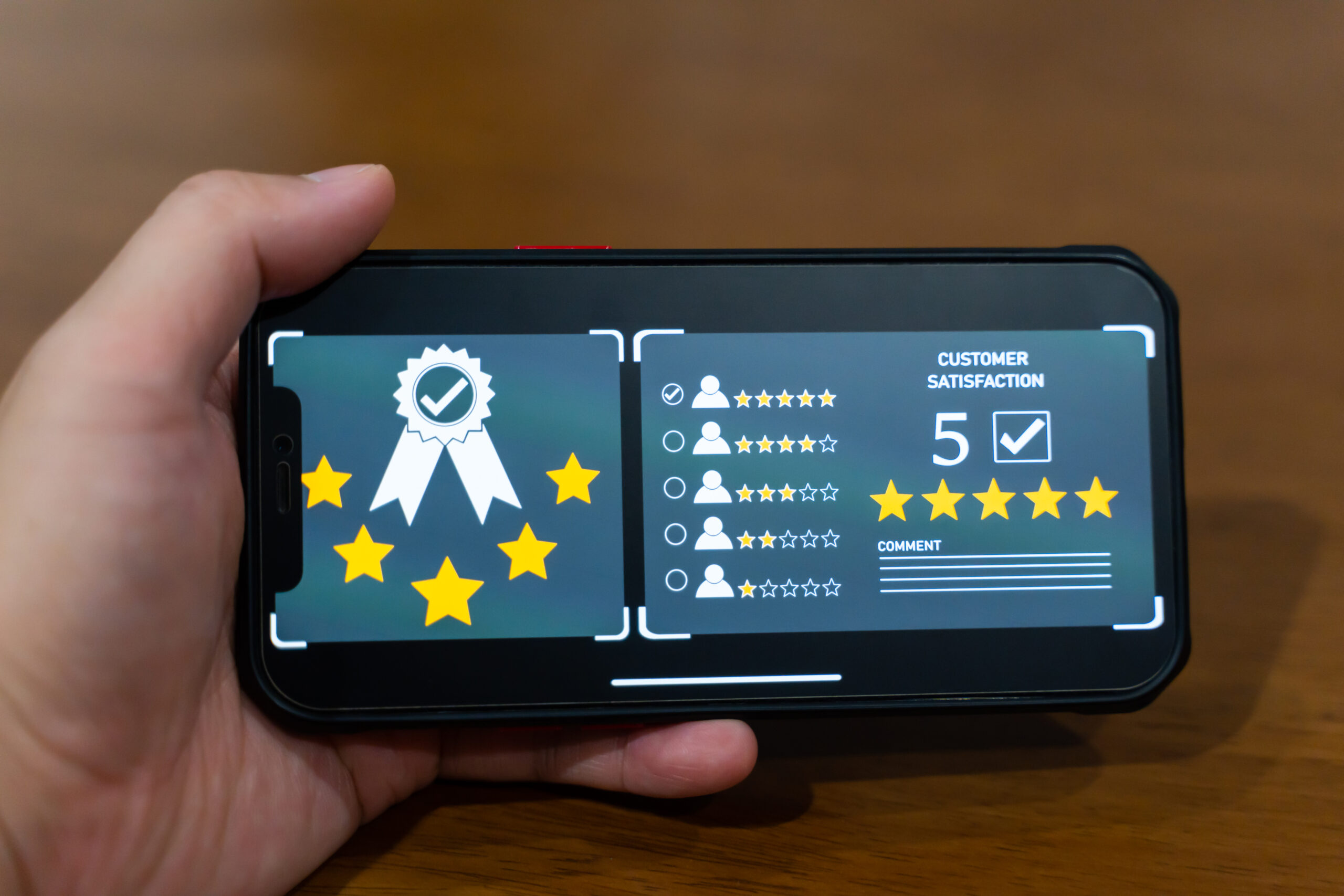
3.4 Native Google Reviews (quantity, quality, and recency)
Reviews affect both prominence and conversions. Two thousand twenty-five stats and studies still show a strong correlation between high review counts and better pack visibility.
But recency is the 2025 multiplier. Whitespark highlights an apparent increase in the extent to which review recency influences rankings.
What Google seems to reward most:
- Consistent incoming reviews (not a one-time burst)
- Reviews that include real service language
- Ratings in a believable “trust range.”
- Owner replies (showing engagement)
Google doesn’t just count reviews; it reads them.
3.5 GBP Completeness + Activity Signals
An optimized GBP is the easiest trust win in local SEO. Top 2025 factor lists reinforce that active profile management matters.
Completion checklist:
- Business description with services + location context
- Services section filled out
- Products (if applicable)
- Accurate hours + holiday updates
- Attributes (accessibility, payment options, etc.)
- Geotagged or relevant photos
- Posts (offers, updates, events)
- Q&A filled and monitored
Photos correlate strongly with higher click-through rates and greater engagement, which in turn feed into behavioral signals.
In competitive niches, businesses with frequent photos often dominate the pack even when other factors are similar.
Practical photo cadence:
- Add new photos weekly
- Prioritize people, work, and location (not stock)
- Include before-and-after images if relevant
- Upload to GBP directly
4. Local Organic Ranking Factors in 2025: The Website Side of Local
Local organic results (traditional blue links) still matter a lot. They often drive pack rankings, too, because Google cross-validates information between your site and GBP.
4.1 Strong service pages (not one “Services” dump page)
Each high-value service should have its own detailed page. This increases topical depth and relevance.
Why it matters:
A single “services overview” page can’t rank for 12 different city+service combinations. Dedicated pages can.
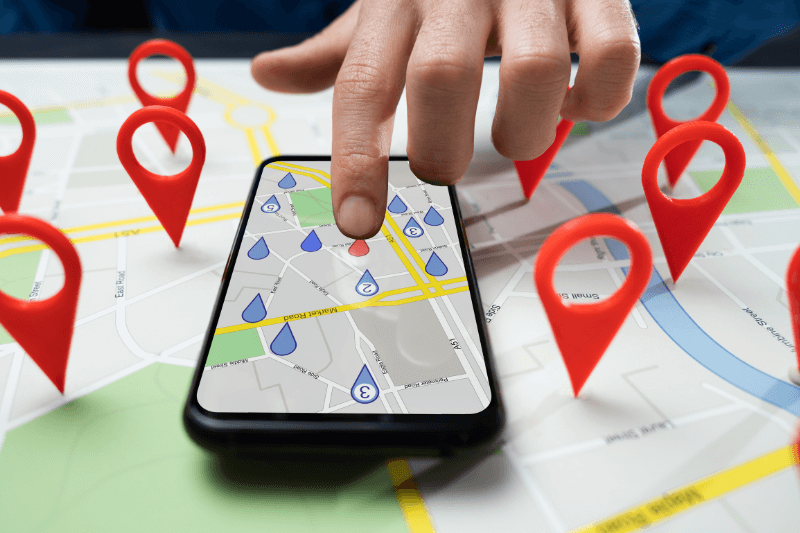
4.2 Location pages (done right)
In 2025, templated city pages are risky. Google is good at detecting thin duplicates. If city pages exist, they must be unique, genuinely helpful, and grounded in real local info.
- Services available in that city
- Local proof (projects, cases, testimonials)
- Neighborhood landmarks or context
- Clear contact/CTA
- FAQs for that location
Google reads your title tags, H1/H2s, body content, alt text, and internal links for location intent.
Solid structure example:
- Title tag: “Emergency Plumber in Phoenix, AZ | 24/7 Service”
- H1: “Phoenix Emergency Plumbing”
- H2s: “Water Heater Repair in Phoenix,” etc.
Backlinks remain a primary prominence driver for local organic rankings. Two thousand twenty-five factor roundups highlight local link quality over quantity.
High-value local backlinks include:
- Local news features
- Chamber of commerce listings
- Sponsorship pages
- Local bloggers/influencers
- Trade associations
- Community organizations
5. Reviews & Reputation: The Trust Engine of Local Search
Reviews deserve their own section because they influence:
- pack rankings
- organic rankings
- conversion rates
- brand trust
- AI-driven “best choice” surfacing
Recent review research and ranking factor analysis keep reviews near the top of local signals.
5.1 What makes reviews a ranking factor
A business with 300 reviews and a 4.6 average looks more authoritative than one with 12 reviews and a 5.0.
5.2 What makes reviews a conversion factor
In practice, even a modest review lead can outperform a slightly higher-ranked competitor.
5.3 The 2025 review stack that wins
- Velocity: new reviews flowing consistently
- Diversity: multiple platforms (Google, Yelp, niche sites)
- Text depth: natural mentions of services and cities
- Response rate: owner replies to show care
- Professionalism: no bribery, no gatekeeping
You don’t need fancy tools to win. You need routine:
- Ask every satisfied customer at the right moment.
- Make leaving a review easy (one link).
- Follow up once if required.
- Thank them publicly with a response.
- Track monthly velocity.
6. On-Page Local SEO in 2025: What to Optimize on Your Site
Your website is still the authority home base.
6.1 NAP consistency on-site
Your Name, Address, and Phone number must match GBP and citations exactly. The web still treats inconsistency as a trust leak.
Tip:
Put the NAP in your site footer and on your contact page, in the same format everywhere.
6.2 Schema markup for local relevance
Google’s ranking systems rely on structured metadata to interpret entities. A schema helps define who you are, what you offer, and where you operate.
Must-have schema types:
- LocalBusiness or Organization
- Service
- FAQ
- Review (if you display genuine reviews on the site)
- Breadcrumb
Your Contact page should be evident and conversion-focused:
- Embedded map
- NAP
- Service area list
- Click-to-call buttons
- Office photos
- Hours
This helps both relevance and user engagement.
6.4 Internal linking for local topical strength
7. Links & Citations: Building Real Local Authority
Citations still matter, but the purpose is different now. They validate your business identity across platforms. 2025 guidance continues to emphasize prominent, accurate citations.
Prioritize:
- Major platforms: Google, Apple Maps, Bing Places, Yelp, Facebook
- Industry directories
- Local directories (city pages, chambers)
- Low-quality “SEO citation farms.”
- Duplicate or inconsistent listings
Think about links as community trust votes.

- Sponsor local events
- Partner with nonprofits
- Offer scholarships
- Get featured in local press
- Provide expert quotes for local stories
- Collaborate with nearby businesses
8. Behavioral Signals & Engagement: The “Human” Ranking Factors
In close contests, Google watches what people do.
8.1 Behavioral signals that influence rankings
- Searchers click your listing more
- They stay longer on your site
- They call you from GBP
- They request directions
- They search for your brand by name later
Factor summaries for 2025 increasingly call these out as meaningful.
8.2 How to improve them
- Better photos
- Clear categories
- Compelling description
- Strong review score
- Fast pages
- Immediate service clarity
- Simple next-step buttons
- Real local proof (testimonials, projects)
9. Technical, Mobile, and UX Signals That Influence Local Performance
Even though Google doesn’t label “page experience” as a local-only ranking factor, in 2025 it’s one of the biggest indirect local ranking multipliers. Why? Because local search is heavily behavior-driven and mobile-driven. If your site is slow or frustrating, users bounce — and those negative engagement signals can drag down both your local organic rankings and your map pack visibility over time.
Think of technical + mobile UX like the foundation of a building:
You can have great reviews and a strong Google Business Profile… but if the foundation sucks, the building still leans.
9.1 Page experience still matters (why it affects local rankings)
Core Web Vitals (CWV) are Google’s way of measuring real-user experience. They focus on:
- Loading speed
- Interactivity
- Visual stability
Even if CWV isn’t a “direct local pack ranking factor,” it matters in 2025 because it affects:
A) Local organic rankings
Google uses page experience across search results. If your service/location pages are slow or unstable, they rank lower in organic search results. And in local SEO, organic strength supports pack strength.
B) Behavioral signals (the local algorithm tiebreaker)
Local SEO is full of near-identical competitors:
- same category
- same city
- same distance
- similar reviews
If your site loads slowly or feels clunky, users:
- hit back fast
- don’t call
- Don’t fill out forms
- don’t browse deeper
That creates a pattern Google can observe at scale:
“Searchers choose this listing less.”
Over time, that indirectly harms prominence and relevance.
C) Conversion rate (local SEO is about leads, not just rankings)
A fast, clean, easy site converts more traffic into calls and appointments. If you double conversions without changing ranks, you still win.
What “good page experience” looks like for local sites in 2025
Here’s what actually moves the needle:
✅ Speed-first design
- Under 2.5 seconds of load on mobile is the sweet spot.
- 3+ seconds usually causes noticeable drop-offs for local buyers.
Avoid the classic local site problem:
- page loads
- Then the buttons/text jump around
- Users hate that. Google tracks that instability.
Local searchers are often stressed, rushed, or ready to buy.
If they can’t instantly find:
- your services
- your location
- your phone number
- They bail.
High-impact technical fixes for local SEO
You don’t need “developer perfection.” You need practical wins:
1. Compress and lazy-load images
Local sites often use big hero photos. Compressing them is an easy speed win.
2. Use a lightweight theme
Heavy WordPress themes kill mobile performance.
3. Reduce script bloat
Chat widgets, tracking scripts, sliders, popups each adds load drag.
4. Cache aggressively
If you serve in one region, you can often cache most pages.
5. Fix mobile CLS issues
Stuff shifting around on phones is a ranking + conversion killer.
9.2 Mobile-first reality (why local SEO is basically mobile SEO now)
Local SEO is mobile-native. Most local-intent searches happen on phones because people search when they’re:
- out and about
- in a hurry
- already near the solution
And local SERPs are designed for phone behavior:
- Click to call
- tap for directions
- quick read
- quick decision
If mobile UX is weak, two things happen:
- You lose conversions immediately.
- Google notices long-term behavior patterns and lowers visibility.
- So, yes, mobile UX is a proper local SEO ranking factor in 2025.
10. Content Strategy for Local SEO in 2025
10.1 Content types that rank locally
- City + service guides
- “How much does X cost in [City]?”
- Neighborhood landing pages
- Local case studies/success stories
- Local events and community tie-ins
- Local FAQs
- Comparison pages (“A vs B in [City]”)
Google’s broader ranking systems reward real experience and authority. In local SEO, that means showing local proof:
- Photos from real jobs
- Local testimonials
- Community involvement
- Credentials and licenses
These factors align with relevance and prominence.
10.3 Don’t chase volume chase closeness
11. Fighting Spam + Staying Compliant
Local spam is everywhere in 2025. Keyword-stuffed names and fake addresses still pop up. But Google is getting better at enforcing rules, and reporting spam can open space for legitimate businesses.
11.1 Common spam patterns
- Fake suites or virtual offices
- Nonexistent storefronts listed as “open.”
- Keyword-stuffed business names
- Multiple listings for one company
11.2 Why spam matters to your rankings
Because pack rankings are finite, if one fake listing is removed, someone else rises.
Ethical play:
- Report obvious violations
- Keep your own profile clean
- Don’t mirror spam tactics
12. Tracking & Measuring Local SEO Like a Pro
12.1 What to track weekly
- Map pack rankings by geo grid
- Organic rankings by city/service
- GBP calls, clicks, direction requests
- Review velocity
- Conversions (forms/calls) per page
Large-scale grid studies reinforce how location-based tracking reveals real performance vs a single “rank” view.
12.2 What to track monthly
- Citation consistency audit
- Link acquisition
- Local content output
- Competitor movement
- Spam environment changes
13. 5 Most Asked Questions About Local SEO Ranking Factors 2025 (With Answers)
The most consistent top drivers in 2025 are:
- Primary GBP category selection
- Proximity to the searcher
- Review quantity, quality, and especially recency
- Legitimate keywords in the GBP business name
- GBP completeness and ongoing activity
- All of these map directly to relevance, distance, and prominence.
Yes. But in 2025, citations are mostly about entity trust and consistency. Accurate listings across major platforms reinforce your business’s legitimacy. Quantity matters far less than correctness.
Q3) Are fresh reviews more important than older reviews now?
Fresh reviews are increasingly important because they show ongoing relevance and trust. A steady flow of reviews often moves rankings faster than a collection of older reviews.
Q4) Can I rank in a city where I don’t have a physical office?
You can rank organically with strong city/service pages and local authority. But in the map pack, proximity + real address rules still dominate. Fake addresses are high risk in 2025.
Q5) What’s the fastest “win” for local SEO in 2025?
Most businesses see the quickest lift from:
- Fixing GBP primary category
- Completing every GBP field
- Launching a consistent review request system
- Cleaning NAP/citation inconsistencies
- Adding strong service pages to the site
- These hit the mark in terms of relevance and prominence right away.
14. Local SEO Action Plan Checklist (2025 Edition)
Use this as your step-by-step roadmap:
Google Business Profile
- Choose the best primary category
- Add accurate secondary categories
- Fill out every service/Product section
- Add fresh photos weekly
- Publish monthly posts
- Monitor and answer Q&A
- Keep hours/holiday hours updated
- Build consistent review velocity
- Dedicated pages for each core service
- Unique location pages for key cities
- Optimize title tags/H1s for city+service intent
- Add LocalBusiness + Service schema
- Embed map + NAP on contact page
- Improve internal linking between service/location/blog content
- Ensure high mobile speed/UX
- Fix NAP across major directories
- Add niche/local citations
- Earn local backlinks monthly
- Seek community press mentions
- Report obvious spam competitors
- Track geo-grid pack rankings
- Track city/service organic rankings
- Review GBP insights weekly
- Track conversion performance per location/service page
- Monitor review growth rate
15. Final Takeaways
To win with local seo ranking factors 2025, you need a system that stacks trust and relevance everywhere Google looks:
- Your GBP shows who you are and what you do.
- Your reviews prove that people like and trust you.
- Your site explains services in depth and supports your service area.
- Your citations validate your identity.
- Your backlinks show authority in your region and industry.
- Your engagement signals tell Google users to choose you.
Local SEO in 2025 rewards businesses that look real, act real, and serve real customers better than anyone else.
Strong Call to Action: Grow Local Faster With Excell
If you want to dominate the local pack, outrank spam competitors, and turn nearby searches into real customers, Excell is here to help.
We don’t do cookie-cutter SEO.
We build custom local visibility engines that combine GBP dominance, review velocity systems, local authority building, and conversion-first local content.

Ready to win your market in 2025?
Contact us today and Book your free discovery call to get done for your services, and let’s map out a local SEO strategy that gets you ranking higher, getting more calls, and growing faster starting now.
Contact us:
6420 Richmond Ave., Ste 470
Houston, TX, USA
Phone: +1 832-850-4292
Email: info@excellofficial.com