



Table of Contents:
- Introduction: The Rise of AI Search
- Understanding How AI Search Engines Work
- Why Traditional SEO Alone Is No Longer Enough
- What Strategies Improve Brand Visibility in AI Search Engines?
- Strategy #1: Build Semantic Authority and Topical Depth
- Strategy #2: Optimize for Conversational and Intent-Based Queries
- Strategy #3: Strengthen E-E-A-T Signals for AI Trust
- Strategy #4: Structure Content for AI Comprehension
- Strategy #5: Create Multi-Format, Multi-Platform Content
- Strategy #6: Leverage Structured Data and Entity SEO
- Strategy #7: Brand Mentions and Digital PR in the AI Era
- Strategy #8: Improve Technical SEO for AI Crawling
- Strategy #9: Optimize for AI Overviews and Featured Summaries
- Strategy #10: Build Community and Brand Search Demand
- 5 Key Questions About Improving Brand Visibility in AI Search Engines
- Measuring Success in AI-Driven Search
- Common Mistakes Brands Make
- The Future of AI Search Visibility
- Conclusion + Strong Call to Action
Introduction: The Rise of AI Search
Search engines have evolved from keyword matchers to AI-powered answer engines.
For more than two decades, search engines primarily worked by matching keywords in a query to keywords on webpages. Rankings were largely influenced by backlinks, keyword placement, metadata, and technical optimization. While those elements still matter, the search landscape has fundamentally shifted.
Modern search engines use advanced AI to understand language, context, and intent, delivering structured answers instead of just links.
AI-driven search tools now summarize and recommend credible information, using advanced language models to connect topics and sources.
When a user asks a question, the AI does not just look for matching words. It evaluates:
- Context of the query
- Search intent (informational, transactional, navigational)
- Topical authority of sources
- Entity relationships
- Brand credibility signals
- Real-world recognition
- Content clarity and structure
From Search Results to AI Answers
AI search changes this dynamic.

- Provide direct answers at the top of the page.
- Summarize insights from multiple websites.
- Highlight recommended brands or services.
- Offer conversational follow-up prompts.
- Deliver voice-based responses via assistants.
Often, users never click a traditional search result.
This shift dramatically changes how brands must approach visibility.
If your content isn’t structured, authoritative, or trusted enough, AI-generated summaries may exclude you, even if you rank on page one.
The Emergence of Generative Search Ecosystems
We are entering an era of generative search ecosystems. AI now generates, not just retrieves.
For example:
- A user asks, “What strategies improve brand visibility in AI search engines?”
- The AI compiles insights from authoritative sources.
- It synthesizes best practices.
- It presents a cohesive summary.
- It may reference brands it considers credible.
The algorithm acts as a gatekeeper for trust and synthesis.
This means that your brand must do more than optimize pages. It must establish:
- Topic dominance
- Consistent expertise
- Recognizable brand authority
- Strong entity associations
- Clear structured signals
Why This Evolution Changes the Rules of Online Visibility
- Ranking alone is not enough.
You may rank well but still not be cited in AI summaries if your authority signals are weak. - Authority outweighs keyword density.
AI rewards comprehensive expertise, not just exact keyword repetition. - Brand recognition influences inclusion.
If your brand is mentioned frequently across credible sources, AI systems are more likely to trust and surface your content. - Structured clarity is now essential.
AI easily extracts information from organized content, not from cluttered or vague pages. - Intent alignment is critical.
AI systems interpret user intent deeply. Your content must answer real questions directly, not just target keywords.
Competing Beyond the “Blue Links”
Instead of competing only for blue links, brands must now compete for:
AI-generated summaries
Your content must be clear enough for AI models to extract and cite.
Voice search responses
As voice assistants improve, answers often come from one source. Become that trusted source.
Conversational results
AI-driven interfaces allow follow-up questions. Brands with layered, in-depth content gain visibility in extended conversations.
Knowledge graph inclusion
AI engines use entity databases and knowledge graphs. Recognition as a defined entity boosts credibility and discovery.
Entity recognition
Your brand must associate consistently with specific topics across the web.
Direct brand recommendations
Some AI-driven search experiences recommend providers or tools. Brands with strong authority are more likely to be suggested.
This represents a shift from webpage optimization to brand optimization.
The Central Question: What Strategies Improve Brand Visibility in AI Search Engines?
You must align your SEO and content strategy with how AI systems:
- Interpret relationships between topics.
- Evaluate trust signals
- Measure authority consistency
- Extract structured insights
- Identify recognized entities
- Understand user intent at scale.
- Technical SEO
- Semantic authority building
- Structured data implementation
- Digital PR
- Brand positioning
- Content clarity
- Multi-platform presence
The brands that will win now will build authority ecosystems that AI engines recognize, trust, and prioritize, not just optimize keywords.
The rise of AI search represents a structural transformation in online information delivery.
And brands that understand this shift early will dominate the next generation of search visibility.
Understanding How AI Search Engines Work
- Large language models (LLMs)
- Natural language processing (NLP)
- Entity recognition
- Semantic relationships
- Behavioral data
- Trust and authority signals
- Context
- Intent
- Topic clusters
- Credibility
- Consistency across the web
- Structured knowledge
Why Traditional SEO Alone Is No Longer Enough?

- Exact keyword targeting
- Backlinks
- On-page keyword density
- Technical optimization
- Is this brand consistently mentioned in context with this topic?
- Does this website demonstrate experience and authority?
- Is the content structured for machine understanding?
- Is the brand recognized across platforms?
- Does the site provide helpful, human-first content?
What Strategies Improve Brand Visibility in AI Search Engines?
1) Building Semantic Topical Authority
What it means:
Semantic topical authority is about becoming the trusted source around a topic, not by repeating keywords, but by covering the topic comprehensively (subtopics, related questions, use cases, comparisons, pitfalls, and updates).
Why it matters for AI search engines:
AI engines “understand” topics through relationships. If your site consistently covers a subject deeply and accurately, AI is more likely to treat your brand as a reliable entity and reference your content in summaries and answers.
How to do it (practical steps):
- Create pillar pages (broad, high-level guides) and cluster pages (supporting deep dives).
- Cover adjacent concepts and “next questions” users ask.
- Update content regularly to stay current and maintain trust.
- Use internal linking to connect related pages clearly.
Instead of one page on “AI SEO,” publish a cluster like: “AI Overviews optimization,” “entity SEO,” “schema for AI,” “AI content quality guidelines,” “measuring AI visibility,” etc.
2) Optimizing for Conversational Search Intent
What it means:
People now search using natural language: full questions, follow-ups, and conversational phrasing, especially in AI tools (ChatGPT, Perplexity, Copilot).
Why it matters for AI search engines:
Generative AI surfaces content that clearly answers questions. If your content is written in a Q&A-friendly, conversational style, AI can extract your insights more easily and incorporate them into generated responses.
How to do it (practical steps):
- Add question-based headings (H2/H3) that match real user queries.
- Include direct answers near the top of sections (1–3 sentences).
- Build an FAQ section based on:
- People Also Ask
- customer support questions
- sales objections
- “How do AI search engines choose which brands to mention?”
- “What are the best strategies to increase brand visibility in AI answers?”
3) Enhancing E-E-A-T (Experience, Expertise, Authority, Trust)
What it means:
E-E-A-T is how search systems evaluate credibility. You’re proving you’re not just producing content, you’re demonstrating real knowledge, experience, and trustworthiness.
Why it matters for AI search engines:
AI-generated answers pull from sources that look reliable. Sites with weak trust signals may be ignored even if they rank traditionally.
How to do it (practical steps):
- Add author pages with credentials + experience.
- Include real proof: case studies, screenshots, data, and client outcomes.
- Improve trust signals:
- About page
- company address (if relevant)
- contact info
- policies (privacy, editorial guidelines)
- Use citations where appropriate (especially for stats).
If you’re Excell, publish “How we improved X metric by Y%” content. Real results = trust.
4) Structuring Content for AI Comprehension
What it means:
AI prefers content that is easy to parse: clean structure, logical flow, clear sections, and scannable formatting.
Why it matters for AI search engines:
Generative search often extracts “chunks” of content. If your page is well-structured, AI can lift accurate summaries from it without confusion.
How to do it (practical steps):
- Use one clear H1, then H2/H3 sections with descriptive titles.
- Keep paragraphs short (2–4 lines).
- Add bullet points, numbered steps, and mini summaries.
- Use “definition + explanation + example” formatting for complex topics.
- Quick answer
- Breakdown
- Steps
- Common mistakes
- FAQs
5) Leveraging Structured Data and Entity SEO

What it means:
Structured data (schema markup) is code that tells search engines exactly what your content is. Entity SEO is about helping engines recognize your brand as a distinct “entity” associated with specific topics.
Why it matters for AI search engines:
AI systems rely heavily on structured signals to reduce ambiguity. Schema helps them understand your organization, services, FAQs, reviews, and relationships, making it easier to include you in summaries and knowledge graphs.
How to do it (practical steps):
- Implement schema types such as:
- Organization / LocalBusiness
- Article / BlogPosting
- FAQPage
- HowTo
- Product / Service
- Review (only if legitimate)
- Ensure consistent business details (name, address, phone, social profiles).
- Create strong “entity pages”:
- About Excell
- Services
- Case studies
- Team/leadership pages
Better knowledge graph alignment + more AI visibility.
6) Earning Brand Mentions and Digital Authority
What it means:
This is about getting your brand referenced across the web, on trusted websites, media outlets, industry blogs, directories, podcasts, and social platforms.
Why it matters for AI search engines:
AI evaluates reputation by scanning what other sources say. Mentions act like “trust votes,” even when they don’t include backlinks.
How to do it (practical steps):
- Digital PR campaigns (guest features, expert quotes, interviews).
- Publish original research that others want to cite.
- Join industry roundups and podcasts.
- Get listed on relevant professional directories.
- Encourage unlinked mentions (brand awareness is still a signal).
Create a data-backed “AI Search Visibility Report” and pitch it to publications.
7) Improving Technical Performance and Crawlability
What it means:
Technical SEO ensures your website loads fast, is easy for bots to crawl, and has clean architecture.
Why it matters for AI search engines:
If AI systems can’t reliably access, understand, and load your pages, your content becomes less “usable” for summaries. Poor performance also reduces user trust and engagement, which signals that AI systems indirectly observe.
How to do it (practical steps):
- Improve Core Web Vitals (speed, responsiveness, stability).
- Fix crawl issues (broken links, redirect chains, 404s).
- Optimize:
- mobile UX
- sitemap.xml
- robots.txt
- canonical tags
- Strengthen internal linking and navigation depth.
Great content can underperform if the site is technically messy.
8) Creating Multi-Format Content Ecosystems
What it means:
You’re not just writing blogs. You’re creating content across multiple formats to reinforce brand authority everywhere AI looks.
Why it matters for AI search engines:
AI search pulls from a wider digital footprint. Brands with content across platforms are more likely to be “known,” trusted, and referenced.
How to do it (practical steps):
Turn one topic into:
- Blog post (pillar)
- Short-form posts (LinkedIn)
- Video (YouTube)
- Slide deck (webinars)
- Podcast episode
- Newsletter edition
- FAQ snippets
- Case study
More reach, more mentions, more entity reinforcement, and stronger AI visibility.
Strategy #1: Build Semantic Authority and Topical Depth
AI systems reward brands that demonstrate comprehensive expertise.
- Pillar pages
- Topic clusters
- Supporting articles
- FAQ pages
- Case studies
- Industry reports
- AI SEO
- Generative search optimization
- AI content strategies
- Entity-based SEO
- Search intent modeling
This improves:
- AI summary inclusion
- Voice assistant mentions
- Conversational query visibility
Strategy #2: Optimize for Conversational and Intent-Based Queries
- “What strategies improve brand visibility in AI search engines?”
- “How can I make my brand show up in AI search results?”
- “Why isn’t my website appearing in AI-generated answers?”
- Use question-based headings
- Write in natural language.
- Include FAQ sections
- Address user intent clearly.
- Provide concise, structured answers.
Strategy #3: Strengthen E-E-A-T Signals for AI Trust
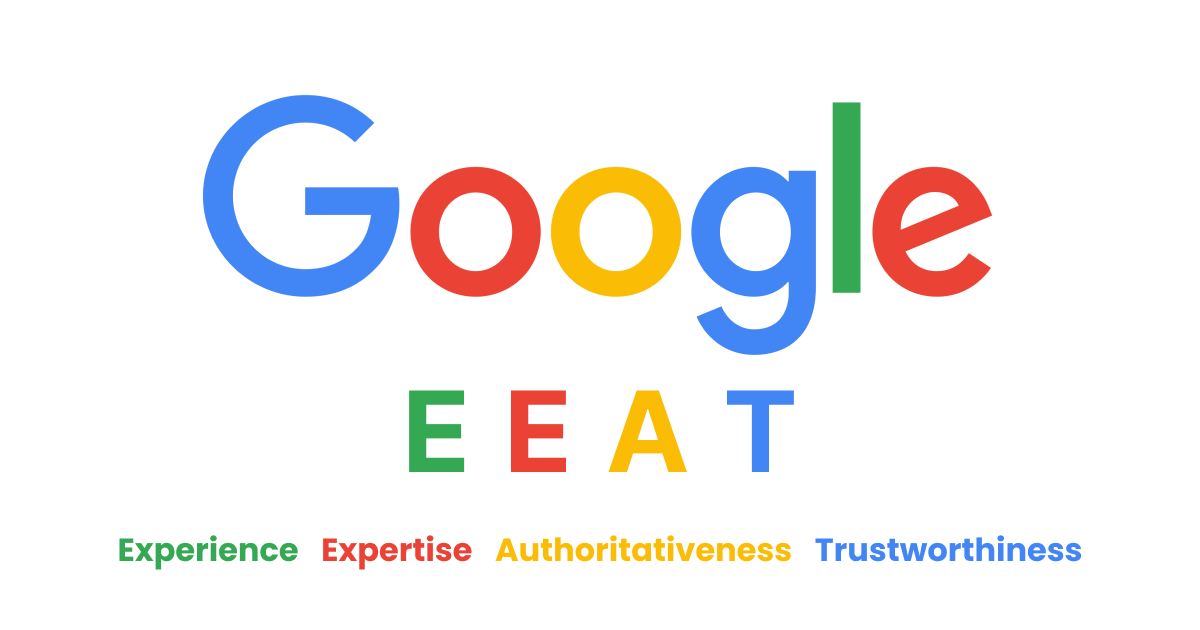
- Experience
- Expertise
- Authority
- Trust
- Include expert author bios.
- Publish case studies
- Add citations and references.
- Showcase testimonials
- Highlight real-world results
- Maintain consistent branding
Strategy #4: Structure Content for AI Comprehension
Best practices include:
- Clear H1, H2, H3 headings
- Bullet points
- Short paragraphs
- FAQ schema
- How-to schema
- Clear definitions
For example:
What strategies improve brand visibility in AI search engines?
- Build topical authority
- Use structured data
- Optimize for intent
- Earn digital authority
- Improve technical performance
Strategy #5: Create Multi-Format, Multi-Platform Content
You must build presence across:
- YouTube
- Industry publications
- Podcasts
- News outlets
- Press releases
If your brand is mentioned consistently across platforms, AI sees you as a credible entity.
Strategy #6: Leverage Structured Data and Entity SEO
- Who you are
- What you offer
- Where you operate
- Who your founders are
- What services do you provide?
- Organization schema
- Article schema
- FAQ schema
- Product schema
- Local business schema
Strategy #7: Brand Mentions and Digital PR in the AI Era
AI systems evaluate:
- Unlinked brand mentions
- Social references
- Industry citations
- Media coverage
Strategy #8: Improve Technical SEO for AI Crawling
Optimize:
- Page speed
- Core Web Vitals
- Mobile responsiveness
- Crawl depth
- Internal linking
- XML sitemaps
Strategy #9: Optimize for AI Overviews and Featured Summaries
- Provide concise definitions
- Use clear Q&A formatting.
- Add summary paragraphs
- Include statistics
- Answer direct questions
Strategy #10: Build Community and Brand Search Demand
When users search for your brand name directly, it indicates authority.
Encourage:
- Branded searches
- Email subscribers
- Social engagement
- Reviews
- Direct traffic
5 Key Questions About Improving Brand Visibility in AI Search Engines
1. What strategies improve brand visibility in AI search engines?
AI prioritizes trust, context, and depth over simple keyword placement.
2. How is AI search different from traditional SEO?

Instead of returning ten blue links, AI systems synthesize content from multiple trusted sources. Your goal is to become one of those trusted sources.
3. Why is structured data important for AI search engines?
It clarifies:
- Business identity
- Services
- Products
- FAQs
- Reviews
4. How long does it take to improve brand visibility in AI search?
AI visibility is cumulative. It rewards consistency and authority over time.
5. Can small businesses compete in AI search engines?
Small businesses can compete by:
- Focusing on niche authority
- Creating in-depth content
- Building local entity recognition
- Leveraging structured data
- Publishing expert-driven insights
Measuring Success in AI-Driven Search
- AI overview impressions
- Featured snippet growth
- Branded search volume
- Organic traffic growth
- Knowledge panel appearance
- Referral mentions
- Engagement metrics
Common Mistakes Brands Make
- Over-optimizing for keywords
- Ignoring structured data
- Publishing shallow content
- Neglecting brand authority
- Failing to update content
- Not building digital PR
The Future of AI Search Visibility
- Personalized results
- Contextual understanding
- Multimodal answers
- Voice-first experiences
- Predictive recommendations
Those who cling to outdated SEO tactics will fade.
Final Thoughts: Dominate AI Search Before Your Competitors Do
If you’re still wondering what strategies improve brand visibility in AI search engines, here’s the truth:
It’s not one tactic.
It’s a comprehensive digital authority strategy.
You need:
- Semantic content ecosystems
- Technical precision
- Structured data
- Digital PR
- Conversational optimization
- Brand demand building
AI search is not the future. It’s the present.
🚀 Ready to Boost Your Brand’s Visibility in AI Search?
At Excell, we specialize in AI-driven SEO strategies that position brands at the forefront of generative search.
We don’t just help you rank.
We help you become the trusted source for AI engine references.
Our team builds:
- Semantic authority frameworks
- AI-optimized content ecosystems
- Structured data architecture
- Digital PR campaigns
- Technical SEO foundations
- Brand demand strategies

If you want your brand to appear in AI overviews, conversational answers, and intelligent search results, now is the time to act.
👉 Contact us today and Book your free discovery call to get done for your services and let’s build your AI search dominance strategy.
Your competitors are adapting.
Make sure you’re leading.
Excell Where Strategy Meets AI Visibility.
Contact us:
6420 Richmond Ave., Ste 470
Houston, TX, USA
Phone: +1 832-850-4292
Email: info@excellofficial.com