
Excel
Does Short-Form Video Content Really Convert Users?
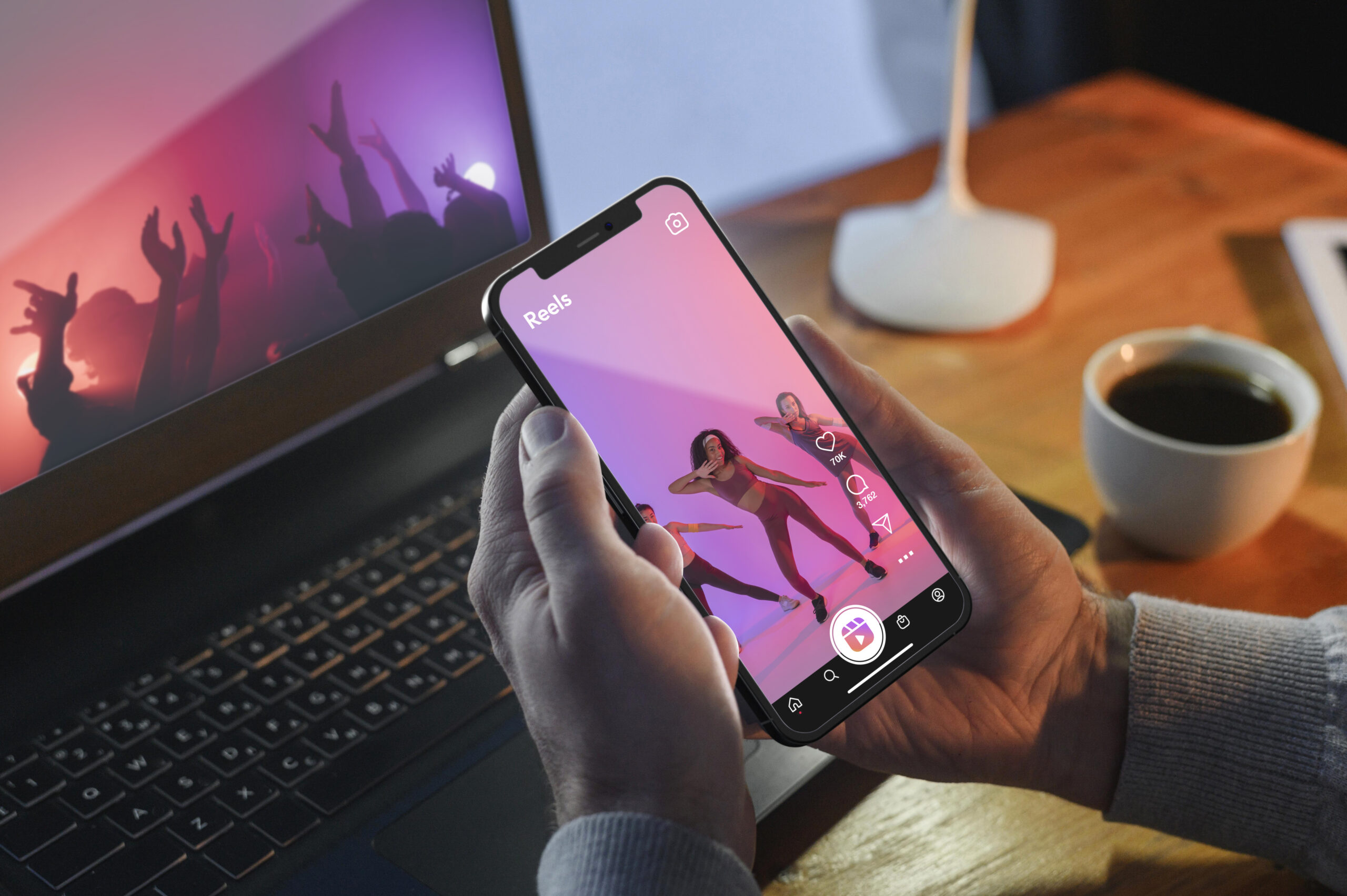
User viewing a viral marketing or promotional video on a mobile social media platform, relevant for video content creation and digital strategy

Hi I’m Roxell!

Your Injury Attorney, Business Mentor, and Teacher

In today’s digital-first landscape, businesses and marketers alike are asking one of the most critical questions in online marketing: “Does short-form video content convert users?” 

With attention spans shrinking, social media algorithms favoring video, and consumer buying behaviors shifting toward visual-first content, short-form video is no longer just a creative experiment; it’s a conversion powerhouse. Platforms like TikTok, Instagram Reels, YouTube Shorts, and even LinkedIn are redefining how brands connect with audiences and, most importantly, how they turn viewers into paying customers.

If you’re on the fence about investing in short-form video, this article will guide you through the why, how, and what’s next for businesses using video as a conversion strategy.

Table of Contents:

  1. Introduction: The Rise of Short-Form Video
  2. Why Short-Form Video Grabs Attention
  3. Does Short Form Video Content Convert Users? (Main Questions)
  4. The Psychology of Short-Form Conversions
  5. Strategies to Maximize Conversion With Short Videos
  6. Case Studies: Real Brands, Real Conversions
  7. Common Mistakes to Avoid With Short-Form Content
  8. Future of Short-Form Video in Conversion Marketing
  9. Conclusion + Strong Call to Action

Introduction: The Rise of Short-Form Video

Short-form video is defined as video content typically under 60 seconds. Some platforms stretch this to 90 seconds or 3 minutes, but the sweet spot remains short, snappy, and highly engaging.

According to HubSpot, 54% of consumers want to see more video content from the brands they support. What’s even more powerful: short-form video has the highest ROI of any social media strategy in 2024–2025.

From viral dances to 15-second tutorials, brands are seeing that short-form content not only builds awareness but also drives direct conversions.

So does short-form video content convert users? Let’s dive deeper.

Why Short-Form Video Grabs Attention

The single biggest reason marketers ask, “Does short-form video content convert users?” is that attention is the starting point for any conversion funnel. If you can’t grab attention, you can’t earn engagement, and without engagement, sales won’t happen. Short-form video has emerged as the most powerful attention magnet in today’s media landscape, and here’s why.

1. Our Brains Love Quick Rewards

From a neuroscience perspective, humans are hardwired to crave short bursts of dopamine. Dopamine is the “feel-good” neurotransmitter linked to motivation, reward, and habit formation. Platforms like TikTok and Instagram capitalize on this by serving endless streams of bite-sized videos that deliver instant gratification.

  • Quick hits of novelty: Each swipe brings something new, keeping the brain engaged.
  • Micro-storytelling: Instead of waiting minutes for a payoff, the “aha” or punchline lands in seconds.
  • Addictive loops: The more users consume, the more they want, creating a cycle of repeated attention.

This neurological design means that short videos aren’t just entertaining, they’re addictive. That addiction is precisely what keeps users hooked long enough for businesses to slide in a persuasive message or a strong call-to-action.

2. Mobile-First Consumption

We now live in a mobile-first world where over 80% of social media consumption happens on smartphones. People check their phones an average of 144 times per day, often in short bursts of downtime: waiting for coffee, riding the bus, or before bed.
Mobile phone user engaging with the Instagram app, featuring the distinctive Reels video icon, highlighting current trends in vertical video platforms

Short-form video aligns perfectly with these consumption habits because:

  • Vertical orientation: Unlike traditional landscape video, short-form is shot in vertical mode, filling the mobile screen naturally.
  • Bite-sized content: Users don’t want to commit to a 10-minute video when they’re standing in line; they want something they can consume in 30 seconds.
  • Seamless user experience: Platforms are optimized for swiping up and down, making short-form consumption effortless.

This means your short-form video has a ready-made audience primed to consume quickly, making conversion more likely.

3. Social Media Algorithms Favor It

Another reason short-form video captures attention is that platforms themselves push it harder than other content types. TikTok’s For You Page, Instagram’s Reels feed, and YouTube Shorts are all designed to maximize watch time by recommending short videos.

Here’s why algorithms love short-form:

  • High completion rates: A 15-second video is far more likely to be watched to the end than a 10-minute video. Completion rate is a strong ranking signal.
  • Engagement triggers visibility: Likes, shares, and comments on short clips often snowball faster than on long-form content, pushing it into more feeds.
  • Low production barrier: More creators post short-form content, giving platforms an endless supply of fresh material to distribute.

For marketers, this means short-form video naturally earns more organic reach, putting products or services in front of millions of eyeballs without massive ad spend.

4. Emotional Punch in Seconds

The most overlooked but most potent aspect of short-form video is its ability to deliver an emotional punch almost instantly. In marketing, emotion drives decision-making. Studies show that emotional content is 2x more effective at influencing consumer behavior compared to rational messaging.

Short-form video does this better than almost any medium:

  • Humor: Quick jokes, memes, or funny skits create positive associations with a brand.
  • Inspiration: A 20-second motivational story can leave viewers feeling empowered and more open to a CTA.
  • Shock or surprise: An unexpected twist grabs attention and sticks in memory.
  • Relatability: Seeing real people share quick testimonials builds instant trust.

For example, a 15-second clip showing a before-and-after product transformation can trigger awe or excitement, nudging viewers toward hitting “Buy Now” or “Learn More.”

5. The Attention Funnel → Engagement → Conversion

All these factors, dopamine hits, mobile optimization, algorithmic boost, and emotional impact, combine to make short-form video the ultimate top-of-funnel tool.

  • Step 1: Attention – Users stop scrolling to watch.
  • Step 2: Engagement – They like, comment, share, or click.
  • Step 3: Conversion – They purchase, sign up, or inquire.

Without attention, the funnel collapses before it even starts. Short-form video keeps the funnel wide and active, feeding users down toward measurable actions.

Does Short Form Video Content Convert Users? (Main Questions)

Let’s answer the five key questions marketers ask about conversions from short-form video:

Question 1: Why is short-form video so effective for engagement?

Short-form video thrives because it condenses storytelling, entertainment, and value into seconds. Engagement metrics such as likes, comments, shares, and saves are higher because the barrier to consumption is low.

According to Wyzowl’s Video Marketing Report, 73% of people prefer to watch a short video to learn about a product or service rather than reading text.

Key takeaway: Engagement is the bridge between awareness and conversion. Short videos keep users engaged, meaning they’re more likely to act.

Question 2: Does short-form video content convert users in e-commerce?

Absolutely. The connection between short-form video and e-commerce conversions is undeniable.

  • TikTok reports that 67% of users say the app inspired them to shop, even when they weren’t planning to.
  • Shopify found that brands using TikTok ads saw a conversion rate increase of up to 50% compared to static ads.

Example: A skincare brand shows a 15-second video of a product transforming acne-prone skin. That quick visual proof is more persuasive than a long product description.

Key takeaway: Short videos create impulse buying opportunities in e-commerce.

Question 3: Can short videos build long-term brand trust?

Yes. While conversions are often thought of as immediate sales, brand trust is a long-term conversion funnel.
Vlogger or educator creating professional video content at a desk with supplies, using a mobile phone camera to film a tutorial or online course
When brands show transparency, behind-the-scenes clips, or real customer testimonials in short form, they humanize the brand. Over time, this trust leads to repeat purchases.

Key takeaway: Short-form video builds micro-moments of trust that add up to long-term customer loyalty.

Question 4: What industries benefit most from short-form video conversions?

Some industries see particularly high conversion rates with short-form content:

  • E-commerce – Product showcases, demos, unboxings.
  • Hospitality & Travel – Quick travel clips spark wanderlust.
  • Food & Beverage – 30-second recipes go viral.
  • Education & Coaching – Bite-sized tutorials or tips.
  • Real Estate – Mini virtual tours sell faster than brochures.
  • Fitness – Quick workout tips that link to memberships or programs.

Key takeaway: Any industry that can show instead of tell benefits from short videos.

Question 5: How can businesses measure conversions from short-form video?

Conversions are not always direct purchases; they can include leads, downloads, clicks, or sign-ups. Businesses can measure them through:

  • Tracking links in bio
  • Swipe-up or CTA buttons
  • Unique discount codes tied to videos
  • Analytics dashboards (Meta Ads, TikTok Ads, Google Analytics)

Key takeaway: Data proves that short-form video content does convert users when you measure it correctly.

The Psychology of Short-Form Conversions

When marketers ask, “Does short-form video content convert users?”, the answer lies not only in algorithms or attention spans, but also in human psychology. Conversions from short-form videos aren’t random; they are predictable outcomes of behavioral triggers that have been studied for decades. Understanding these psychological principles can help brands craft content that doesn’t just entertain but compels action.

Here are the core psychological drivers behind why short-form video converts:

1. FOMO (Fear of Missing Out)

One of the most powerful motivators in consumer behavior is the fear of missing out. Short-form video thrives on urgency and exclusivity because of its fleeting nature and “blink-and-you-miss-it” delivery style.

  • Limited-time offers: A 10-second video showing “Only three left in stock, don’t wait!” instantly raises urgency.
  • Trending culture: Viewers who see a viral TikTok product don’t want to be the last person in their circle to try it.
  • Platform design: TikTok, Instagram, and YouTube use endless feeds that reset constantly, which makes people feel like opportunities might slip away if they don’t act now.

👉 Why this works: Scarcity and urgency activate the loss aversion bias; humans fear losing out on opportunities more than they enjoy gaining something. A quick video with a countdown timer or limited-stock announcement plays directly into this psychological bias, boosting conversions.

2. Social Proof and Herd Mentality

Another powerful driver of conversions is social proof, the concept that people look to others’ actions to decide what is right. In psychology, this is tied to herd behavior. If everyone else is buying, sharing, or endorsing something, it must be worth it.
Creator making content for a product review or haul video, illustrating the customer experience of receiving and unboxing an e-commerce order

Short-form video accelerates social proof because:

  • User-generated content (UGC), such as customers posting reviews or product demos in 20-second clips, appears more authentic than brand-produced ads.
  • Viral momentum: Seeing millions of views or thousands of likes on a product video signals popularity and credibility.
  • Influencer marketing: Even micro-influencers drive conversions when their followers trust them, primarily through short, authentic videos.

👉 Why this works: Humans are wired to follow the crowd. The “bandwagon effect” makes short-form videos with high engagement rates psychologically persuasive, pushing viewers to act so they aren’t left out.

3. Emotional Triggers in Under 30 Seconds

Emotions drive buying decisions far more than logic. Studies show that 95% of purchase decisions happen subconsciously, often triggered by emotions. Short-form video compresses emotional storytelling into mere seconds, creating powerful moments that stick.

Examples of emotional triggers in short-form:

  • Humor: A funny TikTok skit featuring a product associates the brand with positive feelings.
  • Inspiration: A 20-second transformation video (“before and after”) creates a sense of hope and possibility.
  • Shock/Surprise: Unexpected twists or unusual facts make viewers stop scrolling and remember.
  • Relatability: Seeing someone “just like me” use a product in their everyday life fosters immediate connection.

👉 Why this works: Emotional contagion, the psychological phenomenon where we mirror emotions we see, makes short videos transfer feelings instantly, increasing the likelihood of action.

4. Repetition & Recall (The Mere Exposure Effect)

Marketing psychology tells us that repetition breeds familiarity, and familiarity builds trust. This principle, known as the Mere Exposure Effect, explains why short-form video works so well in the attention economy.

  • Multiple touchpoints: A consumer may see a brand’s short video several times across TikTok, Instagram Reels, and YouTube Shorts.
  • Snackable format: Because each clip is quick, audiences tolerate repetition better than they would with a long ad.
  • Brand memory: Seeing a logo, jingle, or product multiple times in short bursts reinforces memory and recall.
  • 👉 Why this works: A consumer who has been exposed to your short-form videos repeatedly is much more likely to convert because the brand feels familiar, safe, and top-of-mind.

Psychology explains why users aren’t just entertained, they’re motivated to convert.

Strategies to Maximize Conversion With Short Videos

If you’re asking, “Does short-form video content convert users?”, the answer depends heavily on strategy. Here are proven methods:

  1. Hook in the First 3 Seconds – Viewers decide instantly whether to keep watching.
  2. Always Add Subtitles – Over 70% of users watch without sound.
  3. Incorporate CTAs – A clear call to “Buy Now,” “Sign Up,” or “Learn More” boosts conversion.
  4. Leverage Trends – Trending sounds or challenges improve visibility.
  5. Personalize Content – Speak directly to your audience’s pain points.
  6. Test and Iterate – A/B testing different short videos identifies the highest converters.
  7. Cross-Platform Posting – Repurpose one video for TikTok, Reels, Shorts, and LinkedIn.
Key takeaway: Short-form content is not just about going viral; it’s about converting viewers into customers.

Case Studies: Real Brands, Real Conversions

Gymshark

Used TikTok influencer campaigns to promote fitness apparel. Result? Sales increased by 50% year-over-year, primarily attributed to short-form content.

Chipotle

Leveraged fun challenges (like the #GuacDance) on TikTok, leading to the biggest digital sales day in history for the brand.

Small Businesses

Etsy sellers using TikTok Reels report 2–3x higher sales when videos demonstrate product use compared to still images.

Coaches & Consultants

Short educational snippets drive traffic to long-form courses and paid coaching programs.

Key takeaway: Both global brands and small businesses are converting with short videos.

Common Mistakes to Avoid With Short-Form Content

While short videos are powerful, many businesses fail because they:

  • Focus only on views instead of conversions.
  • Use hard-sell tactics with no storytelling.
  • Post inconsistently.
  • Ignore analytics.
  • Forget captions and accessibility.
Avoiding these mistakes ensures your content drives sales, not just empty engagement.

Future of Short-Form Video in Conversion Marketing

The answer to “Does short-form video content convert users?” will become even more potent in the future. Here’s why:

  • AI-Powered Personalization – Tools will create customized videos at scale.
  • Shoppable Videos – Direct checkout from TikTok and Instagram will shorten the funnel.
  • Interactive Elements – Polls, quizzes, and AR in short videos will engage users more deeply.
  • Voice Search Integration – Short videos optimized for voice queries will rank higher.
Key takeaway: The businesses that embrace these trends now will stay ahead of competitors.

Conclusion + Strong Call to Action

So, does short-form video content convert users? The evidence is clear: yes.

Short-form video captures attention, creates emotional resonance, inspires trust, and drives measurable actions across industries. From e-commerce to education, brands that invest in this medium see tangible results: higher engagement, stronger brand loyalty, and increased sales.

At Excell, we specialize in turning short-form video strategies into conversion machines. Whether you’re an e-commerce brand looking for more sales, a coach building your client base, or a local business ready to scale, we’ll help you transform your video strategy into actual revenue.

Banner of Excell offering Social Media Marketing Services to help you on your growing social media reach

👉 Don’t let your competitors get ahead. Contact us today and Book your free discovery call to get done for your services. Let’s turn your short-form videos into long-term profits.

Contact us:

EXCELL INDUSTRIES LLC
6420 Richmond Ave., Ste 470
Houston, TX, USA
Phone: +1 832-850-4292
Email: info@excellofficial.com

Other Blogs…

Why Interactive Content Marketing Drives Results

Why Interactive Content Marketing Drives Results

Interactive content marketing isn’t a trend anymore; it’s an audience expectation. People are tired of being talked at. They want to click, answer, explore, and experience content, not just consume it. That shift is exactly why interactive content marketing drives...

Google Analytics Metrics Every Digital Marketer Should Monitor

Google Analytics Metrics Every Digital Marketer Should Monitor

When it comes to digital marketing, the difference between thriving campaigns and wasted ad dollars lies in data. The most successful marketers know that every click, bounce, and conversion tells a story. And if you’re not tracking those stories, you’re operating in...

Google Ads vs Facebook Ads: Which Platform Works Best?

Google Ads vs Facebook Ads: Which Platform Works Best?

When businesses think about online advertising, one of the most debated questions is: Google Ads vs Facebook Ads, where should I invest my budget? Both are advertising powerhouses, but they serve different purposes, target audiences differently, and produce distinct...