Paid social media advertising has evolved from an optional marketing add-on into one of the most reliable growth engines a business can use. In a digital landscape where organic reach keeps shrinking, competition keeps rising, and customer attention shifts daily, paid social gives brands a way to stay visible, relevant, and profitable. If you’re aiming to scale awareness, leads, or revenue, the benefits of paid social media advertising are too significant to ignore.
This guide breaks down what paid social is, why it works, and how to maximize its impact across platforms and funnel stages.
Table of Contents:
- What Is Paid Social Media Advertising?
- The Shift: Why Organic Social Alone Isn’t Enough
- Core Benefits of Paid Social Media Advertising
- Platform-Specific Benefits
- Paid Social vs. Organic Social: The Real Difference
- Full-Funnel Power: How Paid Social Supports Growth
- Targeting Capabilities That Make Paid Social So Effective
- Creative Strategy: Why Ad Content Matters More Than Ever
- Budgeting, Bidding & ROI Fundamentals
- 5 Key Questions About Paid Social (With Answers)
- Mistakes That Kill Performance
- Best Practices for 2025 and Beyond
- Final Takeaways
- Excell Call to Action
1. What Is Paid Social Media Advertising?
Paid social media advertising is when a brand uses money to distribute marketing messages on social platforms to a targeted audience. Instead of relying on organic reach (which depends on platform algorithms and your current followers), paid social lets you guarantee visibility to the people most likely to care about your offer.
To understand it:
- Organic social = you post and hope the algorithm shows it to enough people.
- Paid social = you pay, so the platform intentionally targets the exact audience you choose.
That’s why paid social is considered a controllable growth channel. You don’t wait for luck to reach you; you build consistent reach on demand.
Social platforms like Facebook, Instagram, TikTok, and LinkedIn function like advertising marketplaces. Brands bid for attention, and platforms decide which ads to show based on:
- Your bid (how much you’re willing to pay)
- Your audience match (how relevant your targeting is)
- Your ad quality/engagement potential (how likely users are to respond)
If your ad is relevant and well-designed, you can often pay less than competitors with weaker ads. Platforms reward good user experience.
So paid social isn’t just about paying for reach; it’s about paying for targeted reach + algorithmic optimization.
Paid social ads aren’t limited to “buy now” campaigns. You can promote almost any business goal, such as:
- Brand awareness (introducing your brand to fresh audiences)
- Traffic (sending people to your website or landing page)
- Lead generation (collecting emails, inquiries, booked calls)
- Sales/conversions (purchases, signups, subscriptions)
- App installs and engagement
- Event and webinar registrations
- Video views (building warm audiences for retargeting)
- Messages/DMs (starting conversations for service businesses)
This flexibility is one of the most significant benefits of paid social media advertising; it works across industries and across funnel stages.
Paid social ads appear naturally inside the content people already consume:
- in the scroll (feeds)
- between Stories or Reels
- in TikTok’s “For You” stream
- during YouTube videos
- inside LinkedIn’s professional feed
- in Pinterest discovery boards
- on X (Twitter) timelines
This placement is powerful because it meets users where they are, not in a disruptive context.
Here’s the list you gave, expanded with context and real-world use cases:
These are ads shown in a user’s main scrolling feed.
Feeds are where people spend the most time. Sponsored feed ads can be built for any objective (awareness, traffic, leads, sales).

- Who sees your ad (audience targeting)
- Where they see it (placements)
- When they see it (campaign timing)
- How often they see it (frequency settings)
- What action do you want (objective optimization)
2. The Shift: Why Organic Social Alone Isn’t Enough
- If you have 10,000 followers, a post might reach only 200–500 people.
- Even great content can disappear if the algorithm doesn’t pick it up early.
- discover brands
- compare products
- watch reviews
- get recommendations
- check credibility
- Buy directly inside apps
3. Core Benefits of Paid Social Media Advertising

- demographics (age, gender, education, income brackets)
- geo-location (country, city, radius, ZIP code)
- interests and behaviors (pages followed, content watched, hobbies, lifestyle signals)
- purchase behavior (ecommerce interactions, spending patterns)
- device types and OS
- job title, seniority, industry, company size (especially on LinkedIn)
- custom audiences (email lists, CRM exports, past buyers)
- lookalike audiences (new users similar to your best customers)
- engagement retargeting (people who watched videos, visited your profile, clicked ads)
- rapid lead generation
- quick sales for promotions
- new product launches
- seasonal campaigns
- event registrations
- immediate market testing
- creative
- targeting
- offer
- funnel stage objective
- landing page
- reach
- impressions
- video views
- engagement
- traffic
- retargeting
- lead forms
- content downloads
- webinar signups
- product comparisons
- purchases
- booking confirmations
- quote requests
- cart recoveries
- demos
- website visits
- product page views
- add-to-cart actions
- video watch time
- quiz completion
- email list membership
- social engagement
- flexible budgets
- low entry cost
- measurable performance
- scalable ROI
- short-form vertical video
- carousels
- interactive polls
- shoppable ads
- stories
- UGC/testimonial ads
- collection catalogs
- long-form YouTube video
- static image ads
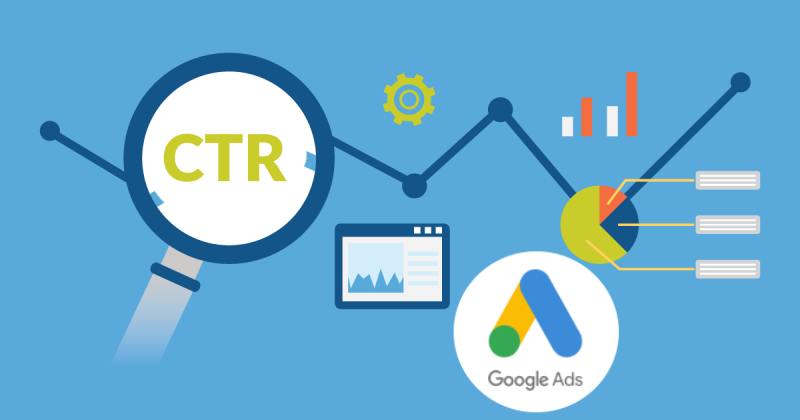
- CTR (click-through rate)
- CPC (cost per click)
- CPM (cost per 1,000 impressions)
- CPA (cost per acquisition)
- ROAS (return on ad spend)
- conversion rate
- audience breakdown
- frequency and ad fatigue indicators
- familiarity
- trust
- recognition
- top-of-mind positioning
- Ads with engagement tend to perform better
- people trust brands, others react to
- platforms reward interactive content
4. Platform-Specific Benefits
- massive audiences across age groups
- strong retargeting infrastructure
- ecommerce-friendly formats
- lookalike targeting that scales
- great for both B2C and many B2B offers
- discovery-driven algorithm
- rapid awareness growth
- content feels native
- strong Gen Z and millennial presence
- lower CPMs in many niches
- unmatched professional targeting
- best for B2B lead generation
- access to decision-makers
- high-value lead potential
- high intent and research-oriented users
- long-form proof and education
- scalable video reach
- works for product demos, storytelling, and authority positions
- planning and shopping behavior
- long shelf-life ads
- lifestyle-oriented discovery
- strong for ecommerce niches like fashion, home, events, food
- real-time event marketing
- conversation-driven visibility
- strong for tech, finance, news, thought leadership
5. Paid Social vs. Organic Social: The Real Difference
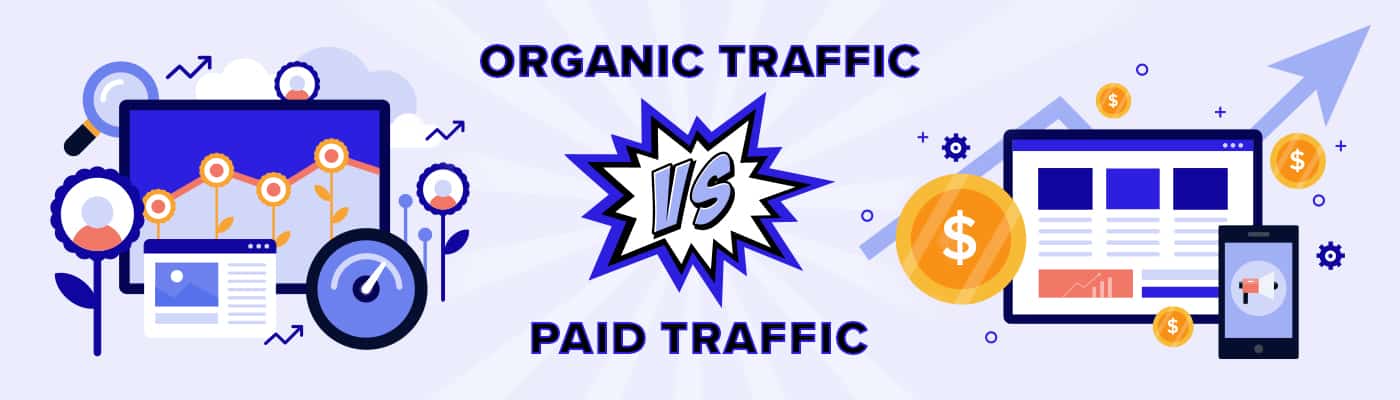
Think of organic and paid as two different tools.
- builds community
- develops brand voice
- nurtures trust
- supports loyalty
- gives a human layer to your business
- targets new customers
- drives predictable traffic
- accelerates funnel movement
- retargets intent
- scales revenue
- Use organic to build a brand people like
- Use paid to ensure the right people see it
6. Full-Funnel Power: How Paid Social Supports Growth
- interest targeting
- broad and lookalike audiences
- high-value video or story ads
- retargeting video viewers
- retargeting site visitors
- lead magnets and case studies
- comparison ads
- Retarget cart abandoners
- limited-time offers
- testimonials and proof
- direct “buy now/book now” ads
7. Targeting Capabilities That Make Paid Social So Effective
- email subscribers
- past customers
- app users
- website visitors
- engaged social users
- parents + household income + location + interests
- job title + industry + company size
- video engagement + website visits + lead form opens
8. Creative Strategy: Why Ad Content Matters More Than Ever
- native to the platform
- focused on one clear message
- built around hooks
- visually engaging in the first 1–3 seconds
- structured for quick scanning
- proof-driven
- simple and specific
- pain point
- The product/service solves it
- show proof (testimonial, results, demo)
9. Budgeting, Bidding & ROI Fundamentals
- 60–70% testing new creatives/audiences
- 20–30% scaling winners
- 10% retargeting
- CPAs
- conversion rates
- ROAS
- lead quality
- customer lifetime value (LTV)
10. 5 Key Questions About Paid Social (With Answers)

11. Mistakes That Kill Performance
- Target too broadly without a hook
- Over-segment audiences and starve ads of data
- Rely on one creative for too long
- Forget retargeting layers
- Send traffic to weak landing pages
- Judge campaigns too early (needs learning time)
- Scale too fast before stability
- Ignore ad fatigue signals like rising CPMs or falling CTR
12. Best Practices for 2025 and Beyond
13. Final Takeaways
- Precise targeting eliminates wasted spend
- Fast visibility drives immediate traction
- Predictable scaling builds stable growth
- Full-funnel flexibility supports every stage
- Retargeting boosts conversions dramatically
- Lower costs than traditional media
- Creative variety improves engagement
- Real-time data enables constant improvement
- Brand recall strengthens long-term market position
- Social proof creates a compounding flywheel
Strong Call to Action Excell
Contact us:
6420 Richmond Ave., Ste 470
Houston, TX, USA
Phone: +1 832-850-4292
Email: info@excellofficial.com