
Table of Contents:
- What Is Interactive Content Marketing?
- The Psychology Behind Why Interactive Content Works
- Key Benefits of Interactive Content Marketing
- The Best Types of Interactive Content (With Use Cases)
- Interactive Content Across the Buyer Journey
- How Interactive Content Marketing Supercharges SEO
- How to Build Interactive Content That Converts
- Distribution Strategies to Maximize Results
- Measuring Performance: The Right KPIs
- Common Pitfalls (and How to Avoid Them)
- Five Essential Questions About Interactive Content Marketing (With Answers)
- Conclusion + Excell Call to Action
1. What Is Interactive Content Marketing?
- delivers information in one direction
- expects attention without interaction
- assumes the same message fits everyone
- asks the user to engage
- responds based on user input
- feels personalized even when automated
- A prompt for action: click, answer, swipe, drag, rate, choose, calculate.
- A feedback loop: the content responds to the user’s actions.
- Personalized outcomes: results shift based on input.
- A guided journey: it takes the user somewhere rather than leaving them to figure everything out on their own.
- quizzes
- calculators
- assessments
- polls
- interactive videos
- product match tools
- dynamic infographics
- clickable microsites
- gamified experiences
2. The Psychology Behind Why Interactive Content Works
Interactive content marketing performs so well because it aligns with how humans naturally learn, decide, and trust. Let’s unpack the deeper behavioral triggers that make interactive content so effective.

- focus
- curiosity
- memory retention
- emotional engagement
- It increases completion rates
- It reduces bounce
- It primes users to take the next step (like submitting an email)
- “They get me.”
- “This is relevant to my situation.”
- “This brand is helpful, not pushy.”
3. Key Benefits of Interactive Content Marketing
Now, let’s translate psychology into a measurable advantage. Here’s what interactive content marketing does better than most traditional formats.
Interactive experiences keep users active, which naturally increases:
- time on page
- scroll depth
- repeat interactions
- content completion
More engagement isn’t a vanity metric. Engagement is what fuels:
- stronger brand recall
- better SEO signals
- more qualified leads
Interactive content marketing attracts motivated users who have already invested effort. That effort signals intent.
Even better, interactive formats gather behavioral data before a sales call or conversion. You learn:
- what they want
- where they struggle
- what stage they’re in
- What solution fits best

- SEO-focused leads
- paid ads leads
- social-first leads
- email nurture leads
- They clarify value
- prove ROI
- confirm fit
- remove doubt
- It stays evergreen
- It’s unique enough to earn backlinks
- It can be updated without rebuilding
4. The Best Types of Interactive Content (With Use Cases)
- low effort
- high curiosity payoff
- easy to share
- awareness campaigns
- social engagement
- audience discovery
- initial segmentation
- “What Type of Marketer Are You?”
- “Which Content Strategy Fits Your Brand?”
- “What’s Your SEO Skill Level?”
- feel valuable and consultative
- build authority
- create high-intent leads
- mid-funnel lead magnets
- qualification tools
- sales enablement
- “Interactive SEO Readiness Audit”
- “Marketing Maturity Assessment”
- “Brand Consistency Scorecard”
- show personalized outcomes
- support decision-making
- prove ROI in the user’s terms
- bottom-funnel conversions
- pricing transparency
- value validation
- “Estimate Your ROI from Interactive Content Marketing”
- “Traffic-to-Revenue Calculator”
- “Cost Savings Estimator”

- minimal effort
- high response rate
- immediate feedback
- audience research
- social engagement
- content ideation
- live event participation
- reduce overwhelm
- increase time-on-page
- make complex topics digestible
- educational content
- PR campaigns
- link-building assets
- keeps attention longer
- feels immersive
- improves recall
- product demos
- onboarding
- training modules
- “Choose your journey” storytelling
- adds motivation
- introduces fun
- increases completion
- email funnels
- communities
- learning/education brands
5. Interactive Content Across the Buyer Journey
- fun quizzes
- polls
- interactive social stories
- clickable infographics
- assessments
- interactive guides
- calculators (light versions)
- product match tools
- ROI calculators
- interactive demos
- pricing configurators
- decision trees
6. How Interactive Content Marketing Supercharges SEO
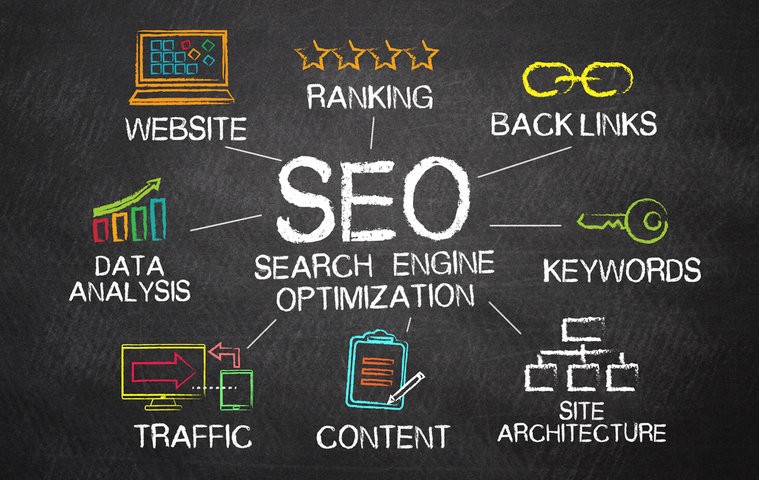
Interactive content marketing is also a stealth SEO upgrade. Not because Google ranks “interactive” automatically, but because interactive assets generate the engagement signals search engines love.
7. How to Build Interactive Content That Converts
- top customer questions
- decision blockers
- confusion points
- “Which option is best for me?” moments
- Curious and exploring? → quiz
- overwhelmed and unsure? → guided assessment
- comparing costs? → calculator
- stuck between options? → product match tool
- “Get your personalized plan in 2 minutes.”
- “Find out what strategy fits your goals.”
- “See your exact ROI estimate instantly.”
- 6–10 quiz questions
- 60–120 second experience
- clear progress indicator
- user engages
- The user gets the preview result
- user enters email to unlock full result + detailed breakdown
- beginner vs advanced users
- budget tiers
- pain point categories
- solution preference
8. Distribution Strategies to Maximize Results
- embed quizzes within high-traffic blogs
- Add calculators to service pages
- Use assessments as lead magnets
- Send quizzes to re-engage cold lists
- Use assessments as onboarding tools
- segment subscribers automatically
- publish poll snippets
- tease quiz questions
- share results graphics
- They feel less salesy
- The user gets value first
- The CTA is experiential
9. Measuring Performance: The Right KPIs
Interactive content marketing gives you way more insight than static content. Don’t waste that advantage.

- Engagement rate – percent who interact
- Completion rate – percent who finish
- Average time spent – dwell time
- Lead capture rate – submissions/participants
- Drop-off points – where people quit
- Segment trends – patterns in answers
- Downstream conversion – sales tied to segments
10. Common Pitfalls (and How to Avoid Them)
11. Five Essential Questions About Interactive Content Marketing (With Answers)
- Awareness → quizzes, polls, interactive social content
- Consideration → assessments, interactive guides, calculators
- Decision → ROI calculators, demos, configurators
- The best format is the one that guides the audience to the next step.
12. Conclusion + Excell Call to Action
- pay attention longer
- trust faster
- convert more often
- share more naturally
- Give you richer data

Strong Call to Action
Contact us:
6420 Richmond Ave., Ste 470
Houston, TX, USA
Phone: +1 832-850-4292
Email: info@excellofficial.com