


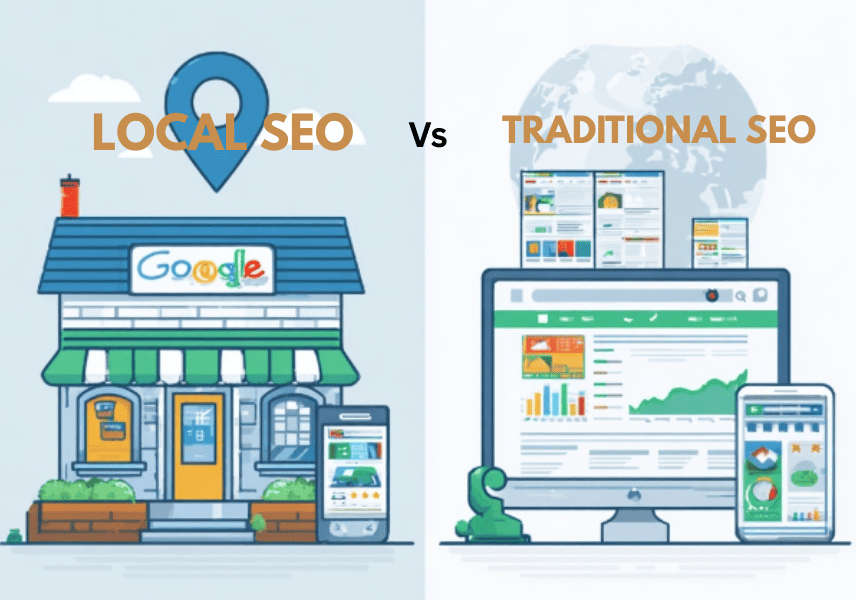

Search engine optimization (SEO) is no longer a one-size-fits-all strategy. As search behavior becomes more location-driven and personalized, businesses must decide which SEO approach best aligns with their goals. The debate around local SEO vs traditional SEO is especially relevant for small businesses, service providers, and growing brands that want to maximize visibility, traffic, and conversions.
In this comprehensive guide, we’ll break down the key differences between local SEO and traditional SEO, explore how each works, and help you determine which strategy your business actually needs or whether a hybrid approach is the smartest move. Let’s start by clarifying the concepts behind each approach.
Table of Contents:
- Introduction to Local SEO vs Traditional SEO
- What Is Traditional SEO?
- What Is Local SEO?
- Local SEO vs Traditional SEO: Core Differences Explained
- Keyword Targeting: Local vs National Search Intent
- Google Algorithms and Ranking Factors
- Content Strategy Differences
- Link Building: Authority vs Relevance
- Google Business Profile and Local Pack Optimization
- User Intent and Buyer Readiness
- Mobile Search and Voice Search Impact
- Measuring Success: KPIs for Local and Traditional SEO
- 5 Key Questions About Local SEO vs Traditional SEO (With Answers)
- Which Businesses Need Local SEO?
- Which Businesses Benefit Most From Traditional SEO?
- Can You Use Local SEO and Traditional SEO Together?
- Common Mistakes Businesses Make When Choosing SEO Strategies
- How Excell Builds Data-Driven SEO Strategies
- Final Verdict: Local SEO vs Traditional SEO
- Strong Call to Action – Why Excell Is Your SEO Growth Partner
1. Introduction to Local SEO vs Traditional SEO
The question of local SEO vs traditional SEO isn’t about which is “better” overall; it’s about which is better for your business goals.
Traditional SEO focuses on broad visibility, often at a national or global level. Local SEO, on the other hand, zeroes in on geographic relevance, helping businesses appear in search results when users are looking for nearby services or products.
Understanding the distinction is critical because choosing the wrong strategy can mean:
- Ranking for keywords that don’t convert
- Wasting budget on irrelevant traffic
- Missing high-intent local customers
2. What Is Traditional SEO?
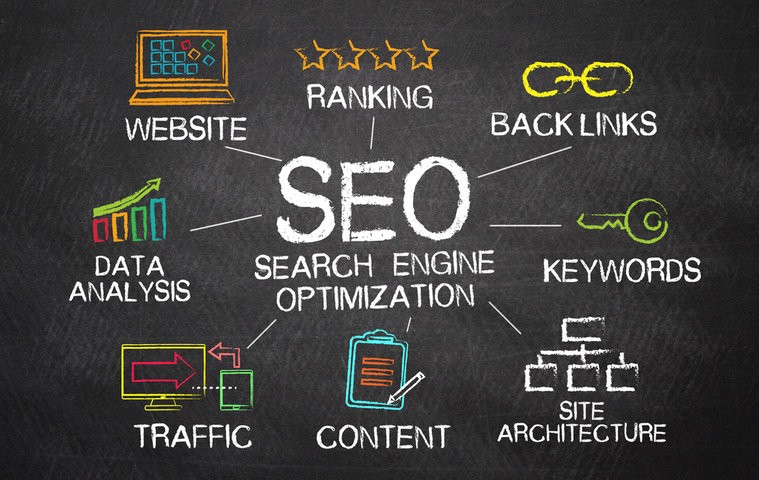
- Targets broad or industry-wide keywords
- Focuses on informational, commercial, or transactional search intent
- Competes at a national or global level
- Relies heavily on content quality, backlinks, and domain authority
Examples of Traditional SEO Keywords:
- “best CRM software”
- “How to use AI in marketing.”
- “SEO tools for startups”
- Sell products or services online nationwide.
- Operate SaaS platforms
- Publish educational or thought-leadership content
- Want to build brand authority at scale.
3. What Is Local SEO?
Local SEO focuses on optimizing your online presence to attract customers in a specific geographic area.
When users search phrases like:
- “near me”
- “in [Texas]”
- “best [digital marketing] in [Texas].”
Core Components of Local SEO:
- Google Business Profile optimization
- NAP consistency
- Local citations and directories
- Localized content
- Customer reviews and ratings
Examples of Local SEO Keywords:
- “personal injury lawyer in Dallas”
- “SEO agency near me”
- “coffee shop in Texas”
4. Local SEO vs Traditional SEO: Core Differences Explained
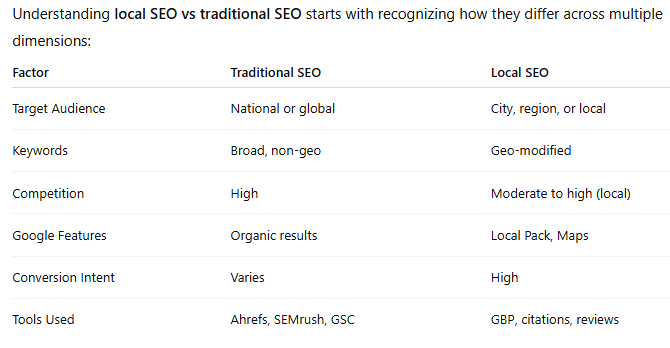
5. Keyword Targeting: Local vs National Search Intent
One of the biggest differences between local SEO vs traditional SEO is keyword intent.
Traditional SEO keywords often reflect:
- Research
- Comparison
- Education
- Immediate need
- Service readiness
- Purchase intent
- “What is SEO?” → Traditional SEO
- “SEO agency in Austin” → Local SEO
6. Google Algorithms and Ranking Factors
Traditional SEO Ranking Signals:
- Content relevance and depth
- Backlink profile
- Domain authority
- Technical SEO
Local SEO Ranking Signals:
- Proximity to the searcher
- Relevance of Google Business Profile
- Prominence
7. Content Strategy Differences
Traditional SEO Content:
- Long-form guides
- Pillar pages
- Industry thought leadership
- Evergreen resources
Local SEO Content:
- Location pages
- City-specific service pages
- Local landing pages
- Community-focused blog posts
8. Link Building: Authority vs Relevance
In local SEO, relevance matters more than authority:
- Local news sites
- Chambers of commerce
- Local blogs
- Business directories
9. Google Business Profile and Local Pack Optimization
This is where traditional SEO ends and local SEO takes over.
If your business relies on local customers and you’re not optimizing your Google Business Profile, you’re losing revenue.
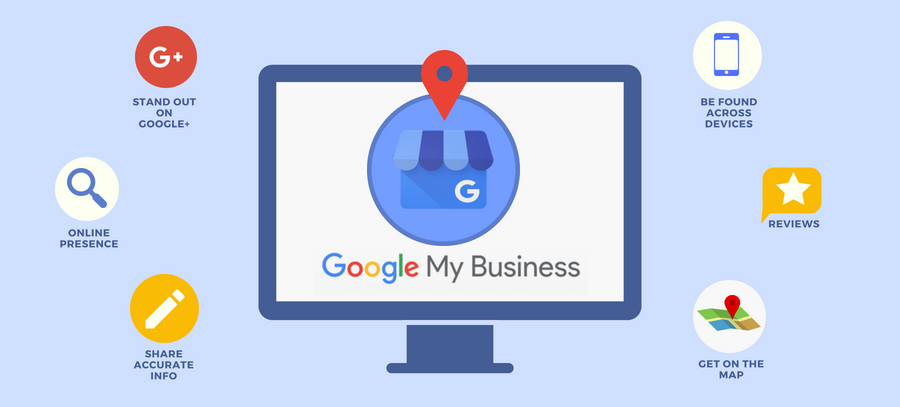
- Accurate categories
- Keyword-rich descriptions
- Photos and updates
- Review management
10. User Intent and Buyer Readiness
Why Local Searches Convert Faster Than Traditional Searches
Local searches are typically action-driven rather than research-driven.
When a user types:
- “SEO agency near me”
- “emergency plumber in Houston”
- “car accident lawyer in Dallas”
In contrast, traditional SEO keywords often reflect:
- Early-stage research
- Information gathering
- Comparison shopping
- Long-term decision-making
- “What is SEO?” → Informational intent
- “Best SEO strategies for startups” → Research intent
Local Search Signals High Commercial Intent
Common local search behaviors include:
- Looking for a phone number
- Requesting directions
- Checking business hours
- Reading reviews before calling
- Clicking “Book Now” or “Get Directions”
- Click-to-call buttons
- Map locations
- Business hours
- Reviews and ratings
Mobile and Voice Search Dominate Local SEO
Mobile Search Behavior
- On the go
- In urgent situations
- Looking for immediate solutions
- Fast answers
- Nearby options
- Simple actions
Voice Search and “Near Me” Queries
- “Hey Google, find an SEO agency near me.”
- “Best injury lawyer close to me.”
- Conversational
- Location-based
- Action-oriented
11. Mobile Search and Voice Search Impact
- Mobile-first indexing
- Voice search (“Hey Google, find an SEO agency near me”)
- Map-based navigation
12. Measuring Success: KPIs for Local and Traditional SEO
Traditional SEO KPIs:
- Organic traffic growth
- Keyword rankings
- Backlink acquisition
- Time on site
Local SEO KPIs:
- Google Business Profile views
- Calls and direction requests
- Local Pack rankings
- Review growth
13. 5 Key Questions About Local SEO vs Traditional SEO (With Answers)

2. Is local SEO only for small businesses?
3. Can traditional SEO help local rankings?
4. Which converts better: local SEO or traditional SEO?
5. Should I choose local SEO vs traditional SEO, or both?
14. Which Businesses Need Local SEO?
Local SEO is critical for any business that serves customers within a specific geographic area. If your customers visit your location, call you for services, or search for help “near me,” local SEO isn’t optional; it’s essential for visibility and lead generation.
Here’s how it applies to different industries:
Law Firms
Most people search for legal help based on location (e.g., “personal injury lawyer near me” or “divorce attorney in [city]”). Local SEO helps law firms appear in Google’s Map Pack, build trust through reviews, and attract high-intent leads who need immediate legal assistance.
Medical Practices
Doctors, dentists, chiropractors, and clinics rely heavily on local searches. Patients look for nearby providers, office hours, directions, and reviews before booking appointments. Strong local SEO ensures your practice shows up when patients search for care in your area.
Home Service Providers
Plumbers, electricians, HVAC companies, roofers, and contractors compete in highly local markets. Since these services are usually urgent, businesses with optimized Google Business Profiles, local keywords, and service-area pages often win the call within minutes of the search.
Restaurants
Local SEO directly impacts foot traffic and online orders. When users search “best pizza near me” or “restaurants open now,” Google prioritizes businesses with accurate listings, strong reviews, photos, and localized content. Without local SEO, even great restaurants can stay invisible.
Local Agencies and Service Businesses
Marketing agencies, insurance brokers, real estate offices, and consultants benefit from local SEO by targeting nearby clients who prefer face-to-face or region-specific expertise. Ranking locally builds credibility and shortens the sales cycle.
The Bottom Line
15. Which Businesses Benefit Most From Traditional SEO?
Traditional SEO is best suited for businesses that are not limited by geography and want to reach customers across a wide market. Instead of focusing on proximity, traditional SEO emphasizes authority, depth of content, and long-term visibility in organic search results.
This approach is especially effective for businesses that sell digital products, ship nationwide, or serve customers regardless of location. Below is a breakdown of the business types that benefit most from traditional SEO, with explanations and real-world examples.
1. SaaS Companies
Why SaaS companies benefit from traditional SEO:
Software-as-a-Service (SaaS) companies sell digital products that can be used anywhere. Their customers often go through long research and comparison cycles before purchasing, making traditional SEO ideal.
Example:
A startup searches:
“best CRM software for small businesses”
“project management tools for remote teams”
- In-depth product pages
- Comparison articles
- Feature-focused content
- Strong backlink profiles
Traditional SEO helps SaaS companies rank for these high-value keywords and attract users early in the buying journey.
- Scalable organic lead generation
- Lower customer acquisition costs
- Long-term authority in competitive markets
2. E-Commerce Brands
Why e-commerce brands benefit from traditional SEO:
E-commerce businesses sell products online and ship to customers across regions or countries. Their success depends on visibility for product-related and commercial-intent searches.
Example:
A shopper searches:
“best noise-canceling headphones”
“organic skincare products online”
- Optimized product pages
- Informational buying guides
- Category pages targeting broad keywords
- Increased organic sales
- Reduced dependency on paid ads
- Sustainable revenue growth
3. Online Education Platforms
Why online education platforms benefit from traditional SEO:
Online courses, coaching programs, and digital learning platforms serve students regardless of location. Learners typically search for educational content before enrolling.
Example:
A user searches:
“best digital marketing course”
“learn SEO online.”
- Comprehensive educational content
- Strong topic authority
- Well-structured learning resources
- Increased course enrollments
- Strong brand credibility
- Long-term organic traffic growth
4. National Service Providers
Why national service providers benefit from traditional SEO:
National service providers offer services across multiple states or countries and are not tied to a single physical location.
Example:
Users search:
“nationwide background check service”
“online tax filing service”
- Broad service pages
- Informational content explaining processes
- Authority-building backlinks
Traditional SEO helps these businesses rank nationally while supporting scalability and expansion.
- Consistent lead generation across markets
- Strong domain authority
- Competitive advantage at scale
16. Can You Use Local SEO and Traditional SEO Together?
A hybrid strategy allows you to:
- Capture high-intent local leads.
- Build national authority
- Reduce paid ad dependency
- Scale sustainably
17. Common Mistakes Businesses Make When Choosing SEO Strategies
- Chasing traffic instead of conversions
- Ignoring Google Business Profile
- Targeting the wrong keywords
- Underestimating competition
- Working with generic SEO agencies
18. How Excell Builds Data-Driven SEO Strategies
Our SEO process includes:
- Deep keyword intent research
- Competitive gap analysis
- Custom local + traditional SEO roadmaps
- Content and authority building
- Ongoing performance optimization
19. Final Verdict: Local SEO vs Traditional SEO
- Local SEO drives immediate, high-intent leads
- Traditional SEO builds long-term authority and scale.
- Together, they create sustainable growth.
20. Strong Call to Action – Partner With Excell
At Excell, we specialize in custom SEO strategies that combine the power of local SEO and traditional SEO, built to generate real leads, real growth, and real ROI.
Whether you’re looking to:
- Rank locally in competitive markets
- Scale nationally with authority-driven SEO
- Replace underperforming agencies
- Build a future-proof digital presence.

👉 Contact us today and Book your free discovery call to get done for your services
👉 Let us show you exactly how to win with the right SEO approach
Your competitors are optimizing. Are you?
Contact us:
6420 Richmond Ave., Ste 470
Houston, TX, USA
Phone: +1 832-850-4292
Email: info@excellofficial.com