

Running pay-per-click (PPC) ads without regular audits is like driving a car without checking the dashboard. You may still move forward, but you’re burning fuel, risking breakdowns, and missing opportunities to improve performance. For beginners, especially, a PPC audit checklist is the fastest way to identify wasted spend, fix costly errors, and improve click-through rate (CTR) without increasing budget.
This guide walks you through auditing PPC campaigns step by step, even if you’re new to Google Ads, Microsoft Ads, or paid search.
Table of Contents:
- What Is a PPC Audit and Why Does It Matter
- When Should You Perform a PPC Audit?
- PPC Audit Checklist Overview (Beginner-Friendly)
- Account Structure Audit
- Campaign-Level Audit
- Keyword & Search Term Audit
- Ad Copy & CTR Optimization Audit
- Quality Score & Relevance Audit
- Landing Page Audit
- Conversion Tracking & Analytics Audit
- Budget, Bidding & ROAS Review
- Audience & Device Performance Audit
- Competitor & Market Audit
- Common PPC Mistakes Beginners Make
- 5 Key PPC Audit Questions Answered
- Final PPC Audit Checklist Summary
- Why a Professional PPC Audit Delivers Faster Results
- Strong Call to Action – Excell
1. What Is a PPC Audit and Why Does It Matter
A PPC audit systematically evaluates a pay-per-click account to identify inefficiencies, errors, and missed opportunities that affect performance. Instead of simply reviewing clicks or impressions, it examines account structure, keyword intent, ad relevance, Quality Score, conversion tracking, and budget efficiency.
For beginners, especially, a PPC audit checklist serves as a roadmap. It ensures that no critical account element is overlooked and that every dollar spent is working toward a clear business goal, whether that goal is lead generation, sales, brand visibility, or customer acquisition.
At its core, a PPC audit answers the most important questions advertisers must ask to remain profitable and competitive:
- Are we spending money on the right keywords?
Many beginners unknowingly bid on broad or low-intent keywords that attract clicks but fail to convert. A PPC audit identifies which keywords drive results and which ones drain budget without delivering value. - Are our ads relevant enough to earn a high click-through rate (CTR)?
CTR is one of the strongest indicators of ad relevance. A low CTR often signals poor keyword-to-ad alignment, weak messaging, or a lack of user intent matching. An audit reveals where ads fail to resonate and how to fix them. - Are conversions tracked accurately and consistently?
Without proper tracking, optimization decisions are based on assumptions rather than data. A PPC audit verifies that conversion actions are implemented correctly, measured accurately, and attributed appropriately. - Is the advertising budget allocated efficiently?
Even high-performing accounts can waste money if budgets are misaligned. An audit highlights campaigns that deserve more investment and identifies areas where spend should be reduced or reallocated.
Why a PPC Audit Is Critical for Beginners
Beginners often launch PPC campaigns with good intentions but limited knowledge. Without a clear PPC audit checklist, common problems compound and worsen results.
When audits are skipped, beginners frequently:

- Overspend on low-intent traffic.
Broad keywords and irrelevant search queries can consume large portions of the budget while delivering little to no return. An audit helps isolate and eliminate these inefficiencies. - Miss negative keyword opportunities
Negative keywords are one of the most powerful cost-control tools in PPC. Without regular audits, irrelevant searches continue to trigger ads and inflate costs. - Run ads with poor Quality Scores.
Low Quality Scores increase cost per click (CPC) and limit visibility. A PPC audit identifies the exact factors, such as ad relevance or landing page experience, that are holding scores back. - Struggle with low CTR and high CPC.
Poor targeting and weak ad messaging mean fewer clicks at higher costs. Audits show why CTR is low and give clear steps to boost engagement.
How a PPC Audit Checklist Drives Better Performance
By conducting regular audits, advertisers can:
- Detect performance issues before they escalate.
- Improve CTR through stronger relevance and messaging.
- Lower CPC by improving Quality Score
- Eliminate wasted spend without increasing the budget.
- Increase conversion rates through better targeting.
- Align campaigns with real business objectives.
The Foundation of Every Successful PPC Strategy
No PPC campaign can succeed long-term without audits. Platforms like Google Ads evolve, user behavior changes, and competitors refine strategies. A PPC audit keeps your account up to date.
For beginners, mastering the PPC audit checklist early builds stronger habits, sharper optimization skills, and faster learning curves. For businesses, it ensures paid advertising remains a growth engine rather than a cost center.
In the next sections, we’ll break down the PPC audit checklist step by step, starting with account structure and moving through keywords, ads, landing pages, and tracking so you can confidently fix errors and improve CTR at every level.
2. When should you perform a PPC audit to get the best results?
A PPC audit checklist is not a one-time fix; it’s an ongoing safeguard. Regular audits keep advertisers ahead of problems, adapt to platform changes, and maintain steady results.
Monthly Audits for Active Campaigns
- Shifts in search behavior
- Competitor bidding adjustments
- Algorithm updates
- Seasonal demand fluctuations
- Catch irrelevant search terms early.
- Identify declining CTR before it impacts Quality Score.
- Reallocate budget to top-performing keywords.
- Adjust bids based on performance trends.
Quarterly Audits for Stable Accounts
If a PPC account is stable, well-optimized, and not changing much, a quarterly audit may suffice. These audits focus on high-level improvements instead of daily optimizations.
Quarterly PPC audits typically include:
- Structural review of campaigns and ad groups
- Performance trend analysis
- Quality Score and CTR benchmarking
- Landing page effectiveness review
- Long-term keyword expansion opportunities
Immediate Audits When CTR Drops
- Reduced ad relevance
- Increased competition
- Ad fatigue
- Keyword intent mismatch
- Landing page disconnect
- Review recent search terms.
- Analyze ad copy performance.
- Check Quality Score changes.
- Identify competitor shifts
After Major Google Ads Updates
Google Ads frequently introduces changes that affect bidding strategies, match types, audience targeting, and automation. Major updates can silently disrupt campaign performance.
After any significant platform update, a PPC audit is critical to:
- Ensure campaigns still align with the new settings.
- Verify automated bidding performance.
- Confirm tracking remains accurate.
- Identify new optimization opportunities.
When Scaling Budgets or Launching New Offers
A pre-scaling PPC audit checklist helps confirm:
- Conversion tracking is accurate.
- Top-performing keywords are identified.
- CTR and Quality Scores are strong
- Landing pages are optimized.
- Budget allocation is efficient.
Why Timing Matters in PPC Audits
- Maintain predictable performance
- Control costs as competition increases
- Scale with confidence
- Make data-driven decisions instead of reactive fixes.
Consistency Is the Key to Scalable PPC Success
For beginners, regular audits accelerate learning and improve decision-making. For businesses, they ensure PPC remains profitable, scalable, and aligned with long-term goals.
In the next section, we’ll begin breaking down the PPC audit checklist itself, starting with account structure, the foundation of every high-performing PPC campaign.
3. PPC Audit Checklist Overview (Beginner-Friendly)
If you’re new to paid search, it’s easy to feel overwhelmed by all the moving parts: campaign settings, keywords, match types, ad copy, bids, tracking, landing pages, and reports. That’s exactly why a PPC audit checklist matters. It gives beginners a repeatable, structured process for evaluating what’s working, what’s wasting money, and what needs fixing to improve CTR and ROI.
Think of a PPC audit like a full diagnostic scan of your account. Instead of relying on assumptions (“Maybe my ads aren’t good” or “Maybe my keywords are too expensive”), you use a consistent checklist to identify specific root causes and make informed changes.
A complete PPC audit can be done at two levels:
- High-level audit (quick scan): Checks for obvious problems, broken tracking, wrong settings, wasted spend, and irrelevant traffic.
- Full audit (deep dive): Reviews structure, intent, messaging, landing pages, and performance segments so optimization becomes strategic, not guesswork.
1) Account & Campaign Structure
What you’re checking: Whether the account is organized in a way that supports relevance, reporting clarity, and scalable optimization.
Why it matters:
Structure affects nearly everything, including relevance, Quality Score, CTR, and how easily you can pinpoint what’s working. Beginners often build campaigns in a “messy” way, making optimization harder later.
Your PPC audit checklist should confirm:
- Campaigns are separated by goal (leads vs sales), product/service line, or funnel stage.
- Branded and non-branded keywords are separated.
- Ad groups are tightly themed (so ads match searches closely)
- Naming conventions are clear for reporting and scaling.
2) Keyword Relevance & Intent
What you’re checking: Whether your keywords match what your ideal customer is actually searching for and whether those searches reflect buying intent.
Why it matters:
Many beginners choose keywords based on volume rather than intent. High-volume terms can bring clicks, but not conversions. A proper PPC audit checklist ensures your keyword list is aligned with commercial intent.

- Match types (Exact, Phrase, Broad) and their impact on relevance
- Keyword intent (informational vs transactional)
- Cost vs return (high CPC keywords with no conversions)
- Keyword-to-ad-group alignment (do keywords belong in the same group?)
3) Search Terms & Negative Keywords
What you’re checking: The actual search queries users typed that triggered your ads and whether those searches are relevant.
Why it matters:
You don’t pay for keywords; you pay for search terms. Even with “good” keywords, irrelevant search terms can still trigger ads, draining your budget and lowering CTR.
A beginner PPC audit checklist must include:
- Reviewing search term reports (weekly or monthly)
- Adding negative keywords for irrelevant queries
- Identifying new converting terms to add as keywords
- Spotting patterns (job seekers, “free,” “DIY,” “definition,” “how to,” etc.)
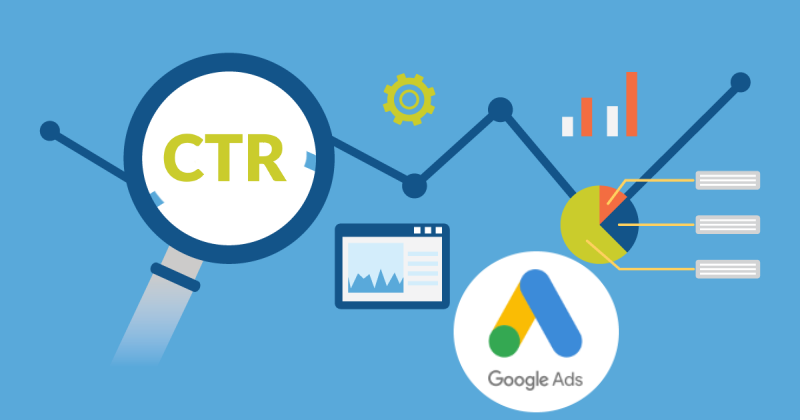
4) Ad Copy & CTR Optimization
What you’re checking: Whether your ads are persuasive, relevant, and aligned with the intent of each keyword group.
Why it matters:
CTR isn’t just a vanity metric; it impacts Quality Score, impression share, and CPC. Low CTR typically signals a mismatch between the user’s search intent and what your ad promises.
Your PPC audit checklist should cover:
- Are you testing multiple ads per ad group?
- Are primary keywords used naturally in headlines?
- Is the offer clear (what makes you different)?
- Is the call-to-action strong and specific?
- Are extensions used properly (sitelinks, callouts, structured snippets)?
5) Quality Score Evaluation
What you’re checking: Whether Google considers your keywords, ads, and landing pages relevant and user-friendly.
Why it matters:
Quality Score affects the cost and visibility of your ads. Beginners often pay more than necessary because Quality Score is low, even when their targeting is “close.”
A PPC audit checklist should include:
- Reviewing Quality Score at the keyword level
- Checking the components: expected CTR, ad relevance, landing page experience
- Identifying low-score keywords and diagnosing why
- Improving relevance rather than simply increasing bids
4. Account Structure Audit
What to Check
- Separate campaigns by goal (leads vs sales)
- Separate branded and non-branded keywords
- Use tightly themed ad groups.
- Avoid keyword overload in a single ad group.
5. Campaign-Level Audit
Audit Checklist
- Correct campaign type (Search, Display, Performance Max)
- Appropriate bidding strategy
- Location targeting accuracy
- Language settings
- Ad scheduling
6. Keyword & Search Term Audit
Keyword Review
- Remove low-intent keywords
- Pause keywords with high CPC and no conversions.
- Focus on commercial intent terms.
- Check match types (Exact, Phrase, Broad)
- Identify irrelevant queries
- Add negative keywords
- Spot new high-performing long-tail terms
7. Ad Copy & CTR Optimization Audit
What to Evaluate
- Headlines include primary keywords.
- Clear value proposition
- Strong call to action
- Use of ad extensions (sitelinks, callouts, structured snippets)
- Match ad copy exactly to keyword intent.
- Address pain points
- Use numbers, urgency, and benefits.
- Test at least 2–3 ad variations per ad group.
8. Quality Score & Relevance Audit

- Expected CTR
- Ad relevance
- Landing page experience
9. Landing Page Audit
Landing Page Checklist
- Message match between ad and page
- Clear headline and CTA
- Fast load speed
- Mobile optimization
- Trust signals (reviews, badges, testimonials)
10. Conversion Tracking & Analytics Audit
What to Verify
- Correct conversion actions
- No duplicate tracking
- Google Ads & GA4 alignment
- Attribution model consistency
11. Budget, Bidding & ROAS Review
Audit Steps
- Identify campaigns draining the budget.
- Increase the budget on high-ROAS campaigns.
- Review bid strategies (Max Conversions, tCPA, Manual)
- Analyze the impression share lost to the budget.
12. Audience & Device Performance Audit
Review Performance By:
- Device (mobile vs desktop)
- Location
- Time of day
- Audience segments
13. Competitor & Market Audit
Check:
- Ad messaging trends
- Offer differentiation
- Keyword overlap
- Auction Insights report
14. Common PPC Mistakes Beginners Make
- Ignoring search term reports
- Not using negative keywords.
- Running a broad match too aggressively
- Sending traffic to generic pages
- Optimizing too early without data
15. 5 Key PPC Audit Questions Answered
1. What is a PPC audit checklist, and why do beginners need it?
2. How often should a PPC audit be performed?
3. Can a PPC audit really improve CTR?
4. What is the most important part of a PPC audit?
5. Should beginners audit PPC campaigns themselves or hire experts?
16. Final PPC Audit Checklist Summary
✔ Keywords match search intent
✔ Negative keywords are in place
✔ Ads are relevant and compelling
✔ CTR is competitive
✔ Quality Score is improving
✔ Landing pages convert
✔ Tracking is accurate
✔ Budget is optimized
This PPC audit checklist ensures sustainable growth.
17. Why a Professional PPC Audit Delivers Faster Results
- Identify hidden inefficiencies
- Use advanced data insights.
- Improve CTR faster
- Reduce wasted spend
- Increase ROI without higher budgets.
18. Strong Call to Action – Excell

🚀 Fix errors, improve CTR, and increase ROI
🚀 Turn paid ads into a predictable growth channel
👉 Contact us today and Book your free discovery call to get done for your services and let our PPC experts optimize your campaigns for real results.
Contact us:
6420 Richmond Ave., Ste 470
Houston, TX, USA
Phone: +1 832-850-4292
Email: info@excellofficial.com