


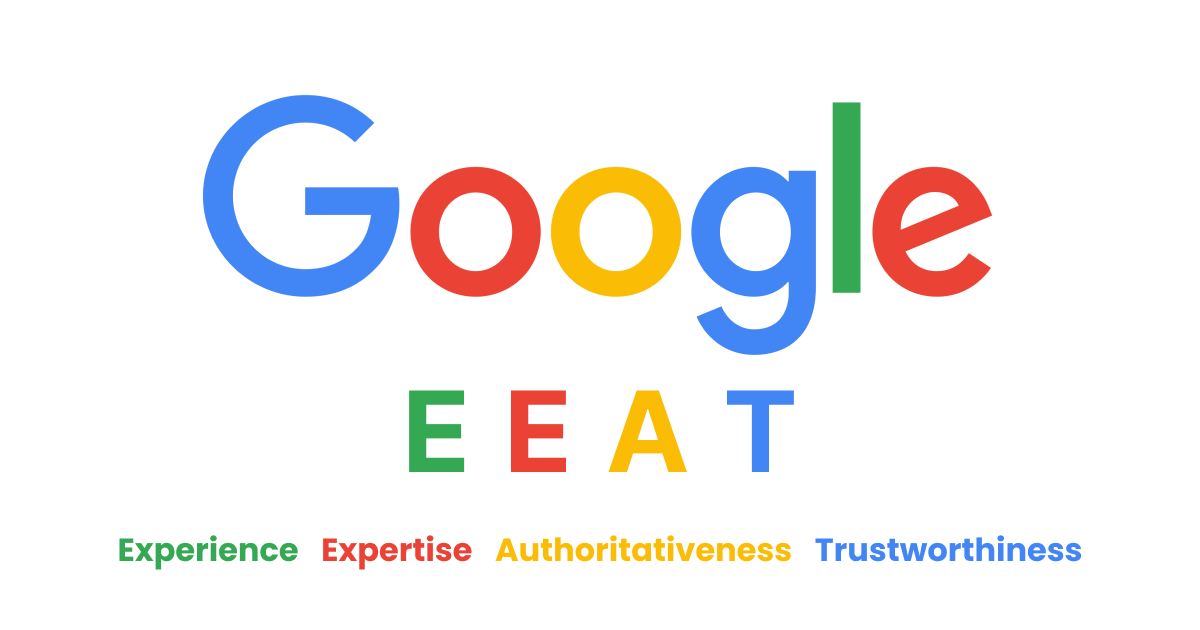

Today’s AI-driven search environment goes beyond keywords and backlinks. Google now evaluates credibility, depth, accuracy, and real-world relevance. This is where E-E-A-T comes in.
Table of Contents:
- Introduction: What Is E-E-A-T in SEO?
- The Evolution from E-A-T to E-E-A-T
- Why E-E-A-T Is Critical in 2026 and Beyond
- The Four Pillars Explained in Depth
- How Google Actually Evaluates E-E-A-T
- E-E-A-T and YMYL Niches
- What Is E-E-A-T in SEO? (5 Key Questions Answered)
- E-E-A-T in the Age of AI Content
- How E-E-A-T Impacts Core Algorithm Updates
- Tactical Framework to Improve E-E-A-T
- Advanced E-E-A-T Strategies for Competitive Industries
- Measuring and Auditing Your E-E-A-T
- The Future of E-E-A-T in Search
- Final Thoughts + Strong Call to Action
Introduction: What Is E-E-A-T in SEO?
E-E-A-T stands for:
- Experience
- Expertise
- Authoritativeness
- Trustworthiness
It is a quality framework outlined in Google’s Search Quality Rater Guidelines. While it is not a single numeric ranking factor like page speed or mobile usability, it significantly influences how Google evaluates the credibility and usefulness of your content.
In simpler terms:
- Experience asks: Has the author actually done this?
- Expertise asks: Does the author truly understand this topic?
- Authoritativeness asks: Does the industry recognize this source?
- Trustworthiness asks: Can users rely on this information?
The Evolution from E-A-T to E-E-A-T
Originally, Google used the acronym E-A-T Expertise, Authoritativeness, and Trustworthiness as part of its Search Quality Rater Guidelines. These principles were designed to help human quality raters evaluate whether content was reliable, credible, and helpful to users. While E-A-T was never a single, measurable ranking factor, it became a foundational concept that influenced how Google’s algorithms assessed content quality.
In 2022, Google officially added an extra “E” for Experience, transforming E-A-T into E-E-A-T. This was not a minor wording adjustment; it reflected a significant evolution in how Google understands content value.
This update signaled a deeper recognition that credibility is not built solely on knowledge. It is also built on real-world involvement.
This update showed a major shift in user expectations.
User behavior has changed dramatically over the past decade. People are no longer satisfied with surface-level explanations or content rewritten from existing sources. They want reassurance that the person creating the content has actually interacted with the subject matter in a meaningful way.
Search engines closely monitor how users engage with content. If users consistently prefer pages that demonstrate first-hand familiarity with a topic, Google adapts its ranking systems accordingly. The addition of “Experience” formalized this shift.
Today’s search landscape prioritizes content that feels genuine, informed, and grounded in reality, not just technically correct.
Search users no longer want generic content. They want:
First-hand reviews
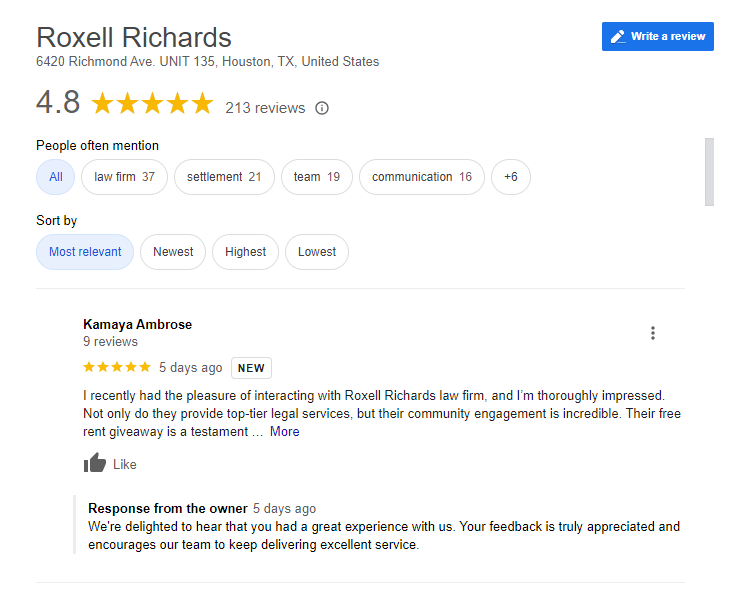
This kind of content often includes specific observations, unique insights, and contextual details that demonstrate real engagement. Google recognizes these signals as indicators of higher content quality because they reduce the likelihood of misinformation and increase authenticity.
First-hand reviews also tend to generate stronger user engagement metrics, such as longer time on page and higher interaction rates, which reinforce quality signals.
Real case studies
Case studies go beyond theory. They show how strategies, decisions, or solutions perform in real situations. This type of content demonstrates application, not just explanation.
Real case studies signal depth and legitimacy. They indicate that the author or organization has actively implemented the concepts being discussed. From Google’s perspective, this adds credibility because it connects ideas to measurable outcomes.
Case studies also build trust by providing transparency. They show processes, results, and sometimes even failures, all of which make content more believable.
Lived experiences
Lived experience introduces emotional authenticity and practical realism into content. It reflects what actually happens when someone goes through a process, faces a challenge, or uses a solution in real life.
Unlike theoretical descriptions, lived experiences often include subtle complexities, obstacles, and insights that only someone personally involved would know. This richness makes content more relatable and more useful.
Main takeaway: Lived experience improves authenticity and helps Google recognize content as genuine rather than generic.
Practical outcomes
Users are goal-oriented. They search with intent, whether to solve a problem, make a decision, or learn how to do something. Practical outcomes focus on results rather than abstract discussion.
Content that emphasizes real-world results signals value. It shows that the information presented leads to tangible improvements, measurable benefits, or actionable steps.
For search quality, practical outcomes align with Google’s goal of helping users find helpful content. Pages guiding users to results are more likely to meet search intent and boost rankings.
Authentic insights
Authentic insights go beyond mere repetition of common knowledge. They introduce original perspectives, professional judgment, or informed analysis.
This type of insight may include strategic interpretations, nuanced explanations, or thoughtful commentary that cannot easily be replicated by automated systems. Authenticity is especially important in an era where large volumes of AI-generated content exist.
Google’s algorithms increasingly evaluate originality and depth. Content that merely rephrases existing information without adding value tends to underperform. Authentic insights help distinguish authoritative content from generic material.
Why the Addition of “Experience” Matters So Much
When Google added “Experience,” it addressed a growing challenge in the digital ecosystem: content saturation.
The internet is flooded with articles that summarize information from other sources without contributing anything new. Many of these pages technically demonstrate “expertise” but lack real-world grounding.
By emphasizing experience, Google encourages creators to move beyond theoretical discussions and contribute meaningful, experience-backed information.
This shift also reflects increasing AI adoption. Automated systems can produce grammatically correct, well-structured content at scale. However, AI often lacks:
- First-hand involvement
- Personal accountability
- Contextual nuance
- Emotional authenticity
Takeaway: Experience is the factor that sets high-quality content apart, showing it is informed by real-world practice.
It signals that content is not merely compiled; it is lived, applied, and understood through practice.
A Response to Mass-Produced Content
The addition of “Experience” was also a strategic move to combat mass-produced, low-quality content, particularly content generated solely for ranking purposes.
When content is created purely to target keywords without genuine insight, it often lacks:
- Depth
- Specificity
- Originality
- Context
Google’s Helpful Content System specifically aims to reduce the visibility of such material.
By elevating Experience within the E-E-A-T framework, Google sends a clear message: ranking well requires more than optimized wording. It requires substance.
This change encourages businesses and publishers to:
- Invest in expert contributors.
- Document real-world results
- Publish original research
- Share lessons learned from practice
The Bigger Picture
Understanding the evolution from E-A-T to E-E-A-T clarifies a larger truth about modern SEO:
Search is no longer just about information retrieval. It is about credibility evaluation.
Google’s algorithms increasingly attempt to answer not only:
“Is this content relevant to the query?”
But also:
“Is this content reliable, experienced, and trustworthy enough to recommend?”
That is why understanding what is E-E-A-T in SEO is essential for any brand, publisher, or business seeking long-term visibility.
The addition of “Experience” solidified the importance of authenticity in search rankings. It raised the bar for content quality and signaled that sustainable SEO success requires more than optimization; it requires real authority grounded in reality.
Why E-E-A-T Is Critical in 2026 and Beyond?
- More context-aware
- More entity-driven
- More brand-sensitive
- More quality-focused

1. AI Content Saturation
2. Brand-Based Ranking Signals
3. Core Updates Target Quality
4. User Trust Equals Conversions
The Four Pillars Explained in Depth
1. Experience: The New Competitive Edge
Experience refers to first-hand involvement.
Google now rewards content created by people who have directly engaged with the subject matter.
Examples:
- A lawyer writing about a case they personally handled.
- A wildfire survivor explaining recovery steps.
- A marketer sharing campaign performance data.
- A product reviewer who actually tested the product.
How to Demonstrate Experience
- Include personal anecdotes.
- Add original screenshots or photos.
- Publish real case studies.
- Share lessons learned from failures.
- Provide before-and-after data.
2. Expertise: Depth Over Surface-Level Content
Expertise refers to knowledge and skill in a specific area.
This is particularly important in technical or sensitive fields.
Examples of expertise signals:
- Professional certifications
- Degrees
- Licenses
- Years of industry experience
- Speaking engagements
- Published research
- Author bios
- Structured data (schema markup)
- External mentions
- Content depth and accuracy
3. Authoritativeness: Reputation in the Industry
Authority is about recognition.
You build authority when:
- Reputable websites link to you.
- Industry publications cite your work.
- Experts reference your insights.
- Your brand is searched directly by name.
Backlinks remain a powerful authority signal, but quality matters far more than quantity.
Authority is earned, not manufactured.
4. Trustworthiness: The Foundation of It All
Trust is the most important pillar.
Without trust, experience, expertise, and authority lose value.
Google evaluates trust through:
- HTTPS security
- Clear contact information
- Transparent ownership details
- Accurate claims
- Consistent branding
- Honest reviews
- No deceptive practices
If your website feels suspicious, confusing, or misleading, rankings will suffer.
How Google Actually Evaluates E-E-A-T?
Google does not assign a visible E-E-A-T score.
Instead, it uses a combination of algorithmic systems and human evaluation.
Signals Google May Analyze:
- Backlink quality and relevance
- Brand mentions across the web.
- Author reputation
- User engagement metrics
- Content originality
- Fact consistency
- Structured data implementation
- On-site trust indicators
Google’s Quality Raters use E-E-A-T guidelines to evaluate search results. Their feedback trains Google’s AI systems.
So while E-E-A-T is not a direct ranking factor, it influences the signals that determine rankings.
E-E-A-T and YMYL Niches
These topics affect:
- Health
- Finances
- Legal rights
- Safety
- Civic decisions
In YMYL niches, E-E-A-T standards are significantly higher.
Examples:
- Medical advice must come from licensed professionals.
- Investment advice must demonstrate financial credentials.
- Legal guidance must show the attorney’s qualifications.
What Is E-E-A-T in SEO? (5 Key Questions Answered)
1. Is E-E-A-T a Ranking Factor?
2. Can New Websites Build E-E-A-T Quickly?
- Publish expert-level content.
- Clearly show credentials.
- Maintain transparency.
- Avoid over-optimization.
3. Does Every Website Need High E-E-A-T?
4. How Does AI Content Affect E-E-A-T?
- It is edited by experts.
- It includes original insights.
- It adds real experience.
- It is fact-checked thoroughly.
5. How Do You Audit E-E-A-T?
- Are authors clearly identified?
- Are credentials visible?
- Do reputable sites reference you?
- Is your content updated?
- Are claims backed by evidence?
E-E-A-T in the Age of AI Content
But it has also raised new challenges:
- Content farms
- Mass-generated articles
- Duplicate insights
- Low originality
To maintain strong E-E-A-T:
- Combine AI efficiency with human oversight.
- Add real case studies.
- Include expert review.
- Avoid generic phrasing.
How E-E-A-T Impacts Core Algorithm Updates?
Google releases multiple core algorithm updates every year. Unlike minor technical updates, core updates are broad changes designed to improve how Google evaluates content quality across the entire web.
When these updates roll out, they often significantly reshape search results.
And at the center of many of these updates is one major theme: content quality and credibility, which directly ties back to E-E-A-T.
Understanding what E-E-A-T is in SEO becomes especially important during these updates, as it often marks the invisible dividing line between sites that lose traffic and those that gain it.
Major Google Updates Often Target Quality
- Helpful content
- Reliable information
- Expert-level insights
- Trustworthy brands
When Google improves its quality evaluation systems, it reassesses websites through a more advanced lens.
This often includes better detection of:
- Thin or shallow content
- Over-optimized keyword stuffing
- Unverified claims
- Low-authority domains
- Mass-produced AI content
- Weak backlink profiles
- Lack of author transparency
Sites that rely on outdated SEO tactics rather than genuine credibility often struggle after these updates.
In contrast, websites built on strong E-E-A-T principles align naturally with Google’s long-term goals, making them more resilient.
Websites Lacking Strong E-E-A-T Commonly Experience:
Traffic drops often occur because:
- Competitors with stronger authority replace you.
- Google determines your content lacks sufficient expertise.
- Your trust signals are weaker than alternatives.
- Your content lacks originality or depth.
For example, if two pages answer the same question but one includes expert credentials, citations, and real-world data, and the other is generic, the stronger E-E-A-T page is more likely to rise after a core update.
Traffic drops are often not about penalties. They are about recalibration.
• Ranking Volatility
Sites with weak E-E-A-T may:
- Jump between page 1 and page 3.
- Lose featured snippets.
- Disappear from high-intent queries.
- See unstable keyword performance.
This instability usually signals that Google’s systems are unsure about the site’s authority or trustworthiness compared to competitors.
If your content sits on the borderline of “acceptable” quality, algorithm improvements can push it down.
Volatility often reflects weak foundational credibility.
• Reduced Visibility
- Lower impressions in Search Console.
- Fewer top-3 placements.
- Reduced appearance in AI summaries.
- Loss of rich results.
- Decreased click-through rates.
Google may still index your content, but it may prioritize stronger, more authoritative competitors.
Over time, this gradual erosion of visibility can significantly impact revenue and lead generation.
Sites with Strong Authority and Trust Signals Often:
• Remain Stable
When Google rolls out a core update, authoritative websites often experience minimal disruption because:
- Their brand reputation is established.
- Their backlink profile is strong.
- Their authors demonstrate expertise.
- Their content is comprehensive and updated.
As quality filters tighten, these websites remain consistently ranked.
Stability equals predictability, which is crucial for businesses relying on organic traffic.
• Gain Traffic
When low-quality pages are filtered out, higher-quality pages rise to the top.
Sites that demonstrate:
- Deep topical authority
- Clear expertise
- Strong trust signals
- High-quality backlinks
In competitive industries, updates can act as opportunity windows. If competitors lack strong E-E-A-T foundations, algorithm shifts may propel your site forward.
• Outperform Competitors
When updates repeatedly favor trustworthy and authoritative sites, weaker competitors struggle to recover.
This creates widening gaps in rankings.
Authoritative brands often:
- Dominate high-value keywords.
- Capture AI search citations.
- Win featured snippets.
- Attract more backlinks naturally.
- Gain increased brand recognition.
Tactical Framework to Improve E-E-A-T
1. Strengthen Author Profiles
- Credentials
- Years of experience
- Professional achievements
- Social links
2. Build Topical Authority
3. Improve Content Depth
- Data
- Research
- Case studies
- Expert commentary
4. Earn Digital PR Mentions
- Podcast features
- Industry interviews
- News citations
- Guest editorials
5. Enhance Technical Trust Signals
- HTTPS
- Structured data
- Clear navigation
- Accessibility improvements
Advanced E-E-A-T Strategies for Competitive Industries
- Publish original research reports.
- Conduct surveys.
- Release whitepapers.
- Develop proprietary frameworks.
- Speak at industry events.
Authority compounds.
When your brand becomes synonymous with expertise, rankings become sustainable.
Measuring and Auditing Your E-E-A-T
- Organic keyword growth
- Branded search volume
- Backlink quality
- Domain authority trends
- User engagement
- Conversion rates
- Remove outdated posts.
- Merge thin content.
- Update statistics.
- Improve clarity.
The Future of E-E-A-T in Search
- Entity recognition
- Brand authority scoring
- AI-powered trust evaluation
- Contextual understanding
E-E-A-T will likely become even more central to ranking systems.
Websites that invest in credibility today will dominate tomorrow.
Final Thoughts: Why E-E-A-T Is Non-Negotiable
So once more, what is E-E-A-T in SEO?
It is the framework defining credibility in modern search.
It combines:
- Real experience
- Verified expertise
- Recognized authority
- Unshakeable trust
It is about becoming the best answer on the internet.
🚀 Ready to Build Authority That Ranks?

- Establish authority in competitive markets.
- Increase high-quality organic traffic.
- Improve lead quality
- Strengthen trust signals
- Future-proof against Google updates
If you’re serious about dominating search results, not just appearing in them, then it’s time to build a strategy grounded in credibility.
👉 Contact us today and Book your free discovery call to get done for your services and let’s transform your website into a trusted industry authority that Google prioritizes and customers believe in.
The algorithm is evolving.
The competition is intensifying.
The question is simple:
Will your brand rise with authority or disappear into digital noise?
Contact us:
6420 Richmond Ave., Ste 470
Houston, TX, USA
Phone: +1 832-850-4292
Email: info@excellofficial.com