



Ranking on Google now goes beyond keyword stuffing. Search engines and users have advanced, so brands must adapt for real growth. The reason to build authoritative content is simple: trust, long-term visibility, brand credibility, and measurable ROI.
Table of Contents:
- Introduction: The Shift Toward Authority-Driven SEO
- What Is Authoritative Content?
- Why Build Authoritative Content for Long-Term SEO Success
- How Authoritative Content Builds Brand Authority
- The Role of E-E-A-T in SEO Authority
- 5 Key Questions About Authoritative Content (With Answers)
- How to Create Authoritative Content That Ranks
- The SEO Benefits of Authoritative Content
- Common Mistakes to Avoid
- Future Trends in Authoritative SEO
- Conclusion: Authority Is the New SEO Currency
Introduction: The Shift Toward Authority-Driven SEO
Brands that ask why to build authoritative content often rely on short-term SEO tactics. But top brands in 2026 and beyond know something important. Authority compounds over time.
Authoritative content:
- Drives organic traffic consistently
- Earns high-quality backlinks
- Increases dwell time and engagement.
- Builds consumer trust
- Improves conversion rates
- Future-proofs your SEO strategy
What Is Authoritative Content?
Authoritative content is comprehensive, well-researched, accurate, and trustworthy information created by credible sources. It provides depth, clarity, and real value to readers.
Unlike thin content that simply repeats surface-level information, authoritative content:
- Answers user intent thoroughly
- Uses credible data and sources
- Demonstrates subject matter expertise
- Provides actionable insights
- Covers a topic comprehensively
- It is structured for readability and SEO.
When people search for information, they want reliable answers. Search engines reward content that satisfies that demand.
Why Build Authoritative Content for Long-Term SEO Success
1. It Improves Search Rankings
Google’s algorithm favors depth. Comprehensive content that fully addresses a topic typically ranks higher because it satisfies user intent.
Long-form authoritative articles often:
- Rank for multiple related keywords
- Capture long-tail queries
- Generate featured snippets
- Dominate topical clusters
2. It Earns Natural Backlinks
Other websites are more likely to link to detailed, research-backed, well-structured content. Backlinks remain one of Google’s strongest ranking factors.
Authoritative content acts as a reference point.
When journalists, bloggers, or industry professionals need credible information, they link to authoritative sources.
3. It Builds Topical Authority
Google doesn’t just rank pages; it evaluates domains.
When your website consistently publishes authoritative content on a topic, search engines link your domain to expertise in that area.
This is called topical authority.
The more authoritative your site becomes within your niche, the easier it becomes to rank new content.
4. It Drives Higher Conversion Rates
Trust drives action.
When users perceive your content as reliable and expert-driven, they are more likely to:
- Submit inquiries
- Book consultations
- Make purchases
- Share your content
How Authoritative Content Builds Brand Authority?
SEO and brand authority are no longer separate strategies; they are interconnected forces that amplify each other. When executed correctly, authoritative content does more than improve rankings. It reshapes how your audience perceives your brand, how competitors respond to your presence, and how search engines categorize your domain.
To know why to build authoritative content, understand how it changes brand perception at scale.
When your site ranks for high-intent queries, something powerful happens. Your brand becomes tied to expertise. Visibility grows into familiarity. Familiarity leads to trust. Trust builds authority.

1. Authority Through Repeated Visibility
- Industry definitions
- Problem-solving guides
- Best practices
- Comparisons
- Case studies
- Emerging trends
And your website consistently appears near the top of search results, your brand becomes associated with answers.
This repetition builds cognitive trust.
Psychologically, users link frequent visibility and leadership. If Google ranks your content highly, users often think:
- “They appear everywhere.”
- “They must be an industry leader.”
Search rankings act as third-party validation.
2. Increased Brand Recognition
Authoritative content boosts brand recognition.
When users encounter your:
- Blog posts
- Resource guides
- Research reports
- Thought leadership articles
- FAQs
- Industry analyses
Across multiple searches, your brand becomes memorable.
Over time:
- Readers remember your tone.
- They recognize your name.
- They recall your insights.
- They reference your content.
This repetition sharpens brand recall. Instead of being another site, you become the company that explains things clearly or the experts in your field.
Recognition is the first stage of authority.
3. Higher Referral Traffic from Credible Sources
Authoritative content earns citations naturally.
Industry bloggers, journalists, researchers, and professionals look for reliable resources to support their own content. When your article offers:
- Accurate statistics
- Comprehensive explanations
- Unique insights
- Data-backed arguments
Other websites link to you as a reference.
These backlinks do more than help SEO.
They signal that:
- Your brand is trusted by peers.
- Your content is valuable enough to cite
- Your website is a source, not just a publisher.
Referral traffic from reputable websites reinforces authority in two ways. Search engines see your domain as credible.
Users arriving from respected sources already view you as trustworthy.
4. Improved Social Engagement and Shareability
- Social shares
- Industry discussions
- Mentions on LinkedIn
- References in webinars
- Podcast citations
When professionals share your content within their networks, your brand authority expands beyond search engines.
Social engagement amplifies credibility because it demonstrates:
- Real-world validation
- Industry interest
- Community trust
The more your insightsspread, the more your brand enters industry conversations.
Authority is reinforced both socially and algorithmically.
5. Stronger Strategic Partnerships
When your website consistently publishes authoritative content, potential partners perceive your company as:
- Knowledgeable
- Stable
- Forward-thinking
- Influential
- Co-marketing opportunities
- Guest appearances
- Joint ventures
- Industry panels
- Sponsorships
- Media interviews
If decision-makers repeatedly encounter your brand delivering expert insights, they begin to associate your name with thought leadership.
Authority attracts opportunity. Take the first step, begin developing authoritative content to position your brand as an industry leader now.
The Role of E-E-A-T in SEO Authority
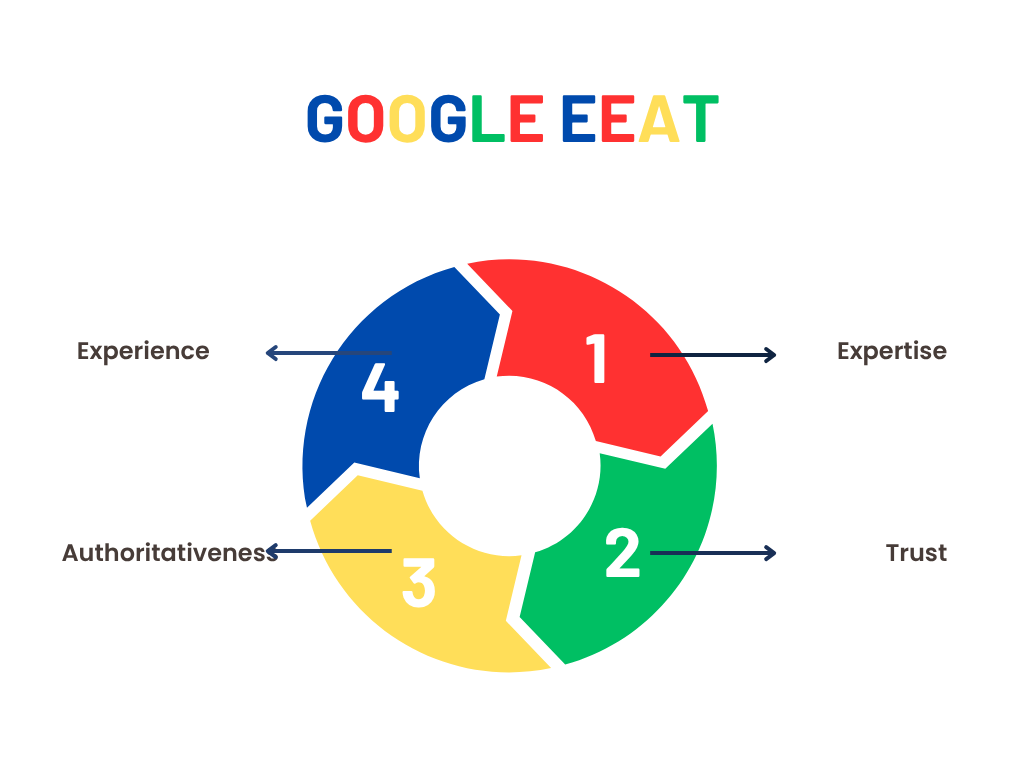
- Experience
- Expertise
- Authoritativeness
- Trustworthiness
These are not abstract ideas. They are credibility frameworks that Google uses to decide which content deserves visibility.
Search engines are no longer simply matching keywords. They are assessing credibility.
In today’s SEO landscape, authority is built by demonstrating E-E-A-T at every level of your content strategy.
Let’s break down how each component works and why authoritative content is essential to supporting all four.
1. Experience: Demonstrating Real-World Insight
Experience refers to first-hand or practical knowledge of a subject.
Google wants to prioritize content written by individuals or organizations that have actually engaged with the topic.
For example:
- A financial advisor writing about investment strategies
- A medical professional explaining treatment options
- A legal firm discussing case processes
- A marketing agency detailing real campaign results
Why Experience Matters
- Nuanced insights
- Real-world examples
- Practical recommendations
- Contextual understanding
- Including case studies
- Sharing industry observations
- Explaining lessons learned
- Highlighting practical applications
Experience differentiates content that “sounds informed” from content that is informed.
Without experience, content feels generic.
And generic content is increasingly devalued.
2. Expertise: Demonstrating Subject Mastery
Expertise refers to deep knowledge within a specific subject area.
Search engines assess expertise by analyzing:
- Topic depth
- Accuracy
- Terminology usage
- Content comprehensiveness
- Content consistency across the domain
Expertise is built when your website consistently publishes detailed content within a focused niche.
For example:
A website that publishes:
- Technical SEO breakdowns
- Link-building strategies
- Algorithm update analyses
- Case studies
- AI search optimization frameworks
How Authoritative Content Supports Expertise
- Covering topics comprehensively
- Addressing advanced subtopics
- Anticipating follow-up questions
- Providing structured explanations
Expertise requires depth.
Surface-level articles cannot demonstrate mastery.
If you are asking why build authoritative content, the answer lies here: expertise cannot be proven in 800 words of recycled information.
It requires clarity, precision, and comprehensive coverage.
3. Authoritativeness: Establishing Industry Leadership
Authoritativeness goes beyond knowledge. It reflects recognition.
A website becomes authoritative when:
- Other reputable websites link to it.
- Industry professionals reference it.
- Users repeatedly engage with its content.
- It ranks consistently for competitive queries.
Authoritativeness is a reputation validated by external signals.
Google evaluates this through:
- Backlinks from trusted domains
- Brand mentions
- Domain history
- Content consistency
- Engagement signals
How Authoritative Content Builds Authoritativeness
When your content is:
- Thorough
- Accurate
- Insightful
- Valuable
It becomes link-worthy.
Backlinks are not earned through shortcuts. They are earned through value.
As your authoritative articles accumulate citations and engagement, your domain-level credibility increases.
This is how individual articles contribute to overall brand authority.
4. Trustworthiness: Delivering Reliable and Accurate Information
Even if content demonstrates experience and expertise, it must also be:
- Accurate
- Transparent
- Updated
- Secure
Content-Based Trust Signals
- Factually correct information
- Clear sourcing
- Balanced explanations
- Honest claims
- Transparent author attribution
Technical Trust Signals

- Secure website (HTTPS)
- Clear privacy policies
- Contact information
- Author bios
- About pages
- Sensational claims
- Misleading headlines
- Unsupported statements
Confidence builds loyalty.
Loyalty builds authority.
5 Key Questions About Authoritative Content (With Answers)
1. Why build authoritative content instead of publishing frequent short posts?
Quality now outweighs quantity.
2. How long should authoritative content be?
Focus on completeness rather than word count.
3. Does authoritative content improve backlink opportunities?
Authoritative content becomes link-worthy content.
4. How does authoritative content affect user trust?
Authority reduces skepticism.
5. Can small businesses compete with large brands using authoritative content?
Authority is about relevance, not size.
How to Create Authoritative Content That Ranks
1. Conduct Deep Keyword Research
- Long-tail variations
- Semantic keywords
- User intent queries
- Related questions
- Industry pain points
2. Focus on User Intent
- What problem is the user trying to solve?
- What depth of information do they expect?
- What follow-up questions might they have?
3. Structure Content Strategically
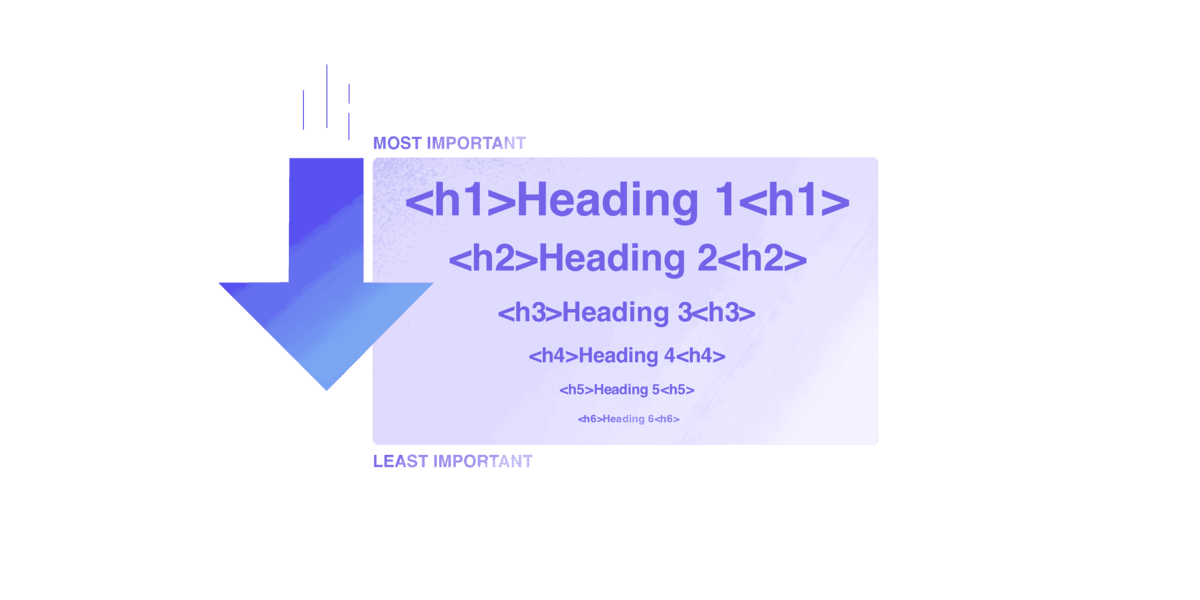
- Clear headings (H2, H3)
- Bullet points
- Data and examples
- Internal linking
- FAQ sections
- Schema markup
4. Incorporate Real Data and Insights
Whenever possible:
- Reference credible studies
- Include expert opinions
- Share original insights
5. Optimize for On-Page SEO
- Target keyword placement (naturally)
- Optimized meta descriptions
- Internal linking
- Image alt tags
- Proper header hierarchy
The SEO Benefits of Authoritative Content
Increased Organic Traffic
Lower Bounce Rates
Higher Click-Through Rates
Improved Domain Authority
Better Conversion Metrics
Measuring the Impact of Authority-Based Content
You cannot improve what you do not measure.
Track:
- Organic traffic growth
- Keyword ranking improvements
- Backlink acquisition
- Dwell time
- Conversion rates
- Social shares
Common Mistakes to Avoid
1. Prioritizing Length Over Value
2. Ignoring Updates
3. Keyword Stuffing
4. Lack of Internal Linking
5. Publishing Without Promotion
Future Trends in Authoritative SEO
AI and Content Evaluation
User Behavior Signals
Topical Clusters
Voice and AI Search
Conclusion: Authority Is the New SEO Currency
- Search engines reward trust.
- Users reward credibility.
- Markets reward expertise.
- Short-term SEO tactics fade.
- Authority compounds.
Authoritative content builds traffic, backlinks, trust, and conversions, all while positioning your brand as a leader in your industry.
In a digital world saturated with content, authority is your competitive advantage.
Ready to Build Real SEO Authority?

Don’t settle for average rankings.
Partner with Excell today and start building content that positions your brand as the authority your industry trusts.
Contact us today and book your free discovery call to get done for your services.
Contact us:
6420 Richmond Ave., Ste 470
Houston, TX, USA
Phone: +1 832-850-4292
Email: info@excellofficial.com