



Launching a startup in 2026 demands precision. Competition intensifies, technologies evolve quickly, and consumers stay informed. Startups must implement smarter, more adaptable, and data-driven methods. Generating traction now requires more than a simple social media page and a few ads. Success hinges on a strategic marketing plan driven by innovation, creativity, and consistency.
This comprehensive guide explores the most effective marketing strategies for startups in 2026, helping founders and marketers navigate the modern digital landscape.
Table of Contents:
- Introduction: The Importance of Marketing for Startups
- The Marketing Landscape in 2026
- Building a Strong Brand Identity
- AI-Powered Marketing Strategies
- Content Marketing for Authority and Growth
- SEO Strategies for Startups in 2026
- Social Media Marketing Trends
- Influencer and Creator Marketing
- Paid Advertising and Performance Marketing
- Email Marketing and Automation
- Community Building and Engagement
- Data-Driven Marketing Decisions
- Video Marketing and Visual Content
- Growth Hacking for Startups
- Customer Retention and Loyalty Strategies
- Common Marketing Mistakes Startups Must Avoid
- FAQs About Marketing Strategies for Startups
- Final Thoughts and Call to Action
Introduction: The Importance of Marketing for Startups
Marketing is no longer just a supporting function for startups; it is the backbone of growth, survival, and long-term success. In 2026, the startup ecosystem is more competitive than ever, with thousands of new businesses launching every day across digital and global markets. This means that even if your product is innovative, useful, or disruptive, it will not automatically gain attention. Without a strategic marketing approach, your startup risks being invisible in a crowded marketplace.
At its core, marketing is how your startup communicates value to the world. It’s how you tell your story, position your brand, and connect with the people who need your product or service the most. For startups, this is especially critical because you are starting from zero, with no brand recognition, no established trust, and often no existing customer base.
Marketing as a Growth Engine
Marketing powers your startup’s growth. Every campaign or ad fuels awareness, engagement, and conversions. If your marketing engine stalls, growth slows or stops.
Unlike established companies that rely on brand loyalty and repeat customers, startups must actively create demand. This is where well-planned marketing strategies for startups come into play.
They allow you to:
- Introduce your product to the right audience.
- Educate potential customers about your value.
- Differentiate your offering from competitors.
- Build momentum in your early stages.
The Evolution of Marketing in 2026
Here are the key areas where marketing has expanded:
1. Brand Building

2. Customer Experience (CX)
3. Personalization
4. Relationship Management
The Startup Challenge: Limited Resources
Startups face a core challenge: limited resources, be it budget, time, or manpower. As a result, marketing must be approached with strategic discipline.
You can’t afford to waste effort on tactics that don’t deliver results. Every action must be:
- Intentional – aligned with your business goals
- Targeted – focused on the right audience
- Measurable – tracked for performance and improvement
Breaking Down the Key Benefits of Marketing
1. Build Awareness Quickly
Awareness is the first step in the customer journey. If no one knows your startup, you have no customers.
Marketing helps you:
- Reach new audiences
- Increase visibility online
- Generate buzz around your product.
2. Generate Qualified Leads
Not all traffic is valuable; what you need are qualified leads. These are people genuinely interested in your product and more likely to convert.
Effective marketing ensures that:
- You attract the right audience.
- Your messaging speaks directly to their needs.
- You guide them through the buying journey.
3. Establish Credibility
Trust is a major barrier for startups. Customers hesitate with new brands.
Marketing helps build credibility by:
- Showcasing expertise through content
- Highlighting testimonials and case studies
- Maintaining a professional and consistent presence
4. Drive Consistent Revenue Growth
Marketing should generate revenue. With a strong strategy, you get a steady flow of leads and customers.
Instead of relying on unpredictable bursts of sales, marketing enables:
- Consistent lead generation
- Repeat business
- Scalable growth
Marketing as an Investment, Not an Expense
Startup founders must see marketing as an investment, not a cost.
When done correctly, marketing delivers measurable returns:
- Increased revenue
- Higher customer lifetime value
- Stronger brand equity
Final Perspective
In today’s fast-moving digital world, startups that prioritize marketing from day one are far more likely to succeed. It’s not just about having a great idea; it’s about making sure the right people know about it, trust it, and choose it.
Marketing is your startup’s voice, your growth engine, and your competitive advantage all rolled into one.
Treat marketing as a core part of your business strategy. This sets your startup up for real, lasting success in 2026 and beyond.
The Marketing Landscape in 2026
To build effective, sustainable growth, startups must first understand the environment in which they operate. The marketing landscape in 2026 is shaped by rapid technological advancements, changing consumer expectations, and stricter data regulations. It’s no longer enough to rely on traditional tactics; startups must adapt to a smarter, more connected, and more customer-centric ecosystem.
Let’s take a deeper look at the key trends defining this landscape and what they really mean for startups implementing marketing strategies.
1. AI Integration Everywhere

- Content Creation: AI tools generate blog posts, social media captions, ad copy, and even videos in minutes
- Customer Insights: AI analyzes large datasets to uncover patterns in customer behavior
- Predictive Analytics: It forecasts which leads are most likely to convert
- Ad Optimization: AI automatically adjusts bids, targeting, and creatives in real-time
- Chatbots and Virtual Assistants: Provide instant, 24/7 customer support
Why This Matters for Startups:
- Automate repetitive tasks
- Reduce operational costs
- Make faster, data-driven decisions.
- Compete with larger, resource-rich companies.
Strategic Takeaway:
2. Privacy-First Marketing
Key Changes in Consumer Behavior:
- People are more selective about sharing personal data.
- Trust plays a bigger role in purchase decisions.
- Users prefer brands that respect their privacy.
What Privacy-First Marketing Means:
- Transparency: Clearly explain how data is collected and used
- Consent-Based Tracking: Only collect data with user permission
- Minimal Data Collection: Focus on what’s necessary, not excessive
- Secure Data Handling: Protect user information at all costs
Challenges for Startups:
- Less access to third-party data
- More reliance on first-party data (data you collect directly)
- Need to build trust from scratch.
Opportunities:
Strategic Takeaway:
3. Omnichannel Experiences
What Omnichannel Marketing Means:
- Website
- Social media
- Mobile apps
- Paid ads
- Customer support
Example of an Omnichannel Journey:
- A user sees your ad on Instagram.
- Clicks through to your website
- Sign up for your email list.
- Receives a personalized email offer
- Completes a purchase
Why It Matters for Startups:
- Improves customer experience
- Increases conversion rates
- Builds brand consistency
- Strengthens trust
How Startups Can Implement It:
- Use integrated marketing tools (CRM, automation platforms)
- Maintain consistent branding and messaging.
- Track customer interactions across channels
- Ensure smooth transitions between platforms.
Strategic Takeaway:
4. Personalization at Scale
What Personalization Looks Like:
- Product recommendations based on browsing history
- Emails tailored to user behavior
- Dynamic website content
- Customized ads
Why Personalization Works:
- Increases engagement
- Improves conversion rates
- Enhances customer satisfaction
- Builds stronger relationships
The Challenge for Startups:
How Startups Can Personalize Effectively:
- Use first-party data (email signups, website activity)
- Segment your audience into smaller groups.
- Automate personalized messaging
- Continuously test and refine.
Example:
- One version for new subscribers
- Another for returning customers
- A different offer for inactive users
Strategic Takeaway:
Building a Strong Brand Identity
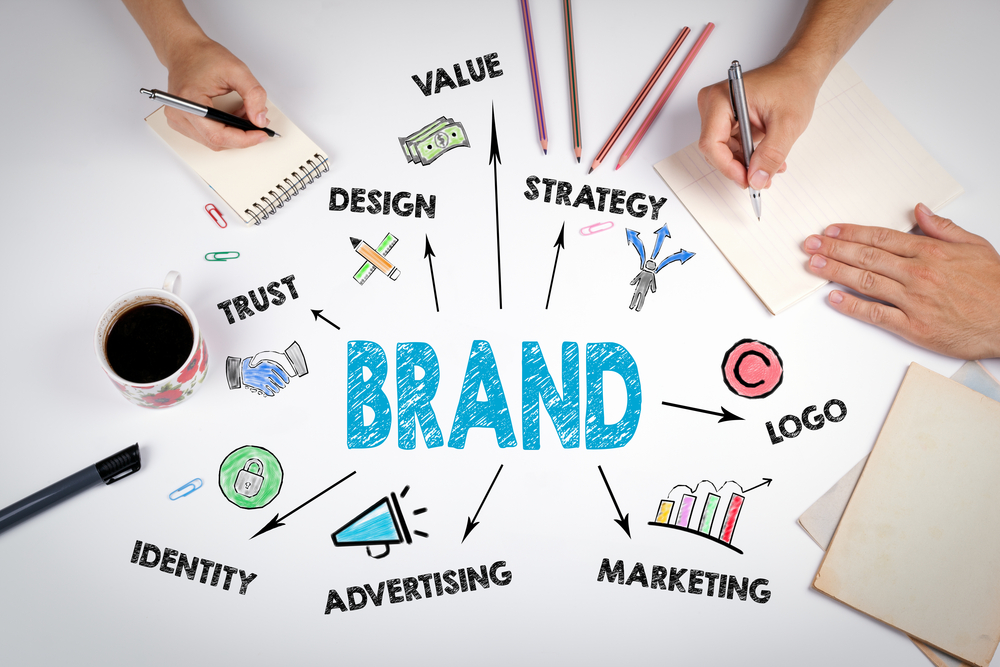
- A clear mission and purpose
- A compelling story
- Consistent visual identity
- A unique voice and tone
Why Branding Matters
Practical Tips
- Define your ideal customer persona.
- Craft a unique value proposition.
- Maintain consistency across all channels.
- Focus on authenticity
AI-Powered Marketing Strategies
Artificial Intelligence (AI) is no longer a futuristic concept; it is a core driver of modern marketing. In 2026, AI has become deeply integrated into how startups plan, execute, and optimize their campaigns. For startups in particular, AI represents a powerful opportunity to scale quickly without needing large teams or massive budgets.
When we talk about AI-powered marketing strategies, we’re referring to the use of machine learning, automation, and data analysis to improve marketing efficiency, accuracy, and results. Instead of relying on guesswork, startups can now make smarter decisions based on real-time insights and predictive models.
Let’s explore this in greater depth.
Why AI Matters So Much for Startups
Startups face a unique challenge: they need to grow fast while operating with limited resources. Traditionally, this required hiring multiple specialists, content writers, analysts, customer support agents, and campaign managers.
AI changes this completely.
It allows startups to:
- Do more with fewer people.
- Launch campaigns faster
- Analyze data instantly
- Deliver highly personalized experiences.
Key Applications of AI in Marketing (Deep Dive)
What AI Can Create:
- Blog articles optimized for SEO
- Social media posts tailored to each platform
- Email campaigns with personalized messaging
- Ad copy designed to convert
- Video scripts and even visuals
How This Helps Startups:
Instead of spending days creating a single blog post, AI tools can generate drafts in minutes.
This allows startups to:
- Publish more content consistently.
- Maintain an active online presence.
- Test different messaging quickly.
Important Note:
Strategic Insight:
2. Customer Segmentation: Smarter Targeting
Traditional vs AI Segmentation:
- Traditional: Age, gender, location
- AI-driven: Buying behavior, browsing patterns, engagement history, intent signals
Example:
- Users who visited your pricing page multiple times
- Customers who abandoned their carts
- Leads who are likely to convert within the next week
Benefits:
- More relevant messaging
- Higher engagement rates
- Improved conversion rates
Strategic Insight:
3. Predictive Analytics: Anticipating Customer Behavior
What AI Can Predict:
- Which leads are most likely to convert
- When a customer is likely to churn
- What products a user might be interested in
- The best time to send emails or ads
Real-World Example:
- Identify them as a high-intent lead.
- Trigger a personalized offer or reminder.
- Increase the likelihood of conversion.
Why This Matters:
Strategic Insight:
4. Chatbots and AI Assistants: 24/7 Customer Engagement
What Chatbots Can Do:
- Answer frequently asked questions.
- Guide users through products or services
- Collect lead information
- Assist with purchases
- Provide instant responses
Benefits:
- Immediate customer support
- Reduced workload for teams
- Improved customer satisfaction
- Increased conversions
Example:
- Engage them instantly
- Provide relevant information
- Encourage them to take action.
Strategic Insight:
Content Marketing for Authority and Growth

- Builds trust and credibility
- Improves SEO rankings
- Educates your audience
- Drives organic traffic
Types of Content to Focus On:
- Blog articles
- Guides and tutorials
- Case studies
- Infographics
- Podcasts
How to Create Effective Content:
- Focus on solving real problems.
- Use storytelling to connect emotionally.
- Optimize content for search engines.
- Include clear calls to action.
SEO Strategies for Startups in 2026
Key SEO Trends:
- Voice search optimization
- AI-driven search algorithms
- Semantic search (intent-based)
- High-quality, authoritative content
Startup SEO Best Practices:
- Target long-tail keywords like “marketing strategies for startups.”
- Optimize website speed and mobile usability.
- Build high-quality backlinks
- Use structured data
Social Media Marketing Trends
Key Trends in 2026:
- Short-form video dominates
- Authentic, behind-the-scenes content performs well.
- Social commerce is growing.
- Community engagement matters more than follower count.
Strategies for Startups:
- Focus on 1–2 platforms initially.
- Create engaging and relatable content.
- Interact with your audience regularly.
- Use analytics to refine your approach.
Influencer and Creator Marketing
Why It Works:
- Builds trust quickly
- Reaches niche audiences
- Increases brand awareness
Best Practices:
- Partner with micro-influencers
- Focus on long-term collaborations.
- Align with creators who share your values.
Paid Advertising and Performance Marketing
Popular Channels:
- Google Ads
- Facebook and Instagram Ads
- TikTok Ads
- LinkedIn Ads
Tips for Success:
- Start with a small budget.
- Test different creatives and audiences.
- Use retargeting campaigns
- Monitor performance metrics
Email Marketing and Automation

- Direct communication with customers
- High return on investment
- Personalization capabilities
Strategies:
- Segment your audience
- Automate email sequences
- Provide value in every email.
Community Building and Engagement
Examples:
- Online forums
- Social media groups
- Discord or Slack communities
Benefits:
- Encourages brand loyalty
- Generates user-generated content
- Provides feedback and insights
Data-Driven Marketing Decisions
Key Metrics to Track:
- Website traffic
- Conversion rates
- Customer acquisition cost
- Customer lifetime value
Tools:
- Google Analytics
- CRM platforms
- AI analytics tools
Video Marketing and Visual Content
Types of Videos:
- Product demos
- Tutorials
- Testimonials
- Live streams
Why Video Matters:
- Increases engagement
- Boosts conversions
- Enhances brand storytelling
Growth Hacking for Startups
Techniques:
- Referral programs
- Viral campaigns
- A/B testing
Goal:
Customer Retention and Loyalty Strategies
Strategies:
- Loyalty programs
- Personalized experiences
- Excellent customer support
Common Marketing Mistakes Startups Must Avoid
Common Pitfalls:
- Lack of a clear strategy
- Ignoring SEO
- Spreading resources too thin
- Not analyzing data
FAQs About Marketing Strategies for Startups
2. How long does it take for marketing strategies to work?
3. Can startups succeed without a large marketing budget?
4. Which platform is best for startup marketing?
5. How do startups measure marketing success?
Final Thoughts: Winning in 2026
The future of startup marketing is dynamic, competitive, and full of opportunities. By implementing the right marketing strategies for startups, businesses can build strong brands, connect with their audience, and achieve sustainable growth.
The key is not to do everything but to focus on strategies that align with your goals and execute them consistently.

Whether you need SEO, content marketing, paid ads, or AI-driven campaigns, our team is ready to help you scale faster and smarter.
👉 Don’t let your competitors outpace you. Partner with Excell today and turn your startup into a market leader.
6420 Richmond Ave., Ste 470
Houston, TX, USA
Phone: +1 832-850-4292
Email: info@excellofficial.com