
Excel
Reputation Management Guide: Improve Reviews & Brand Image
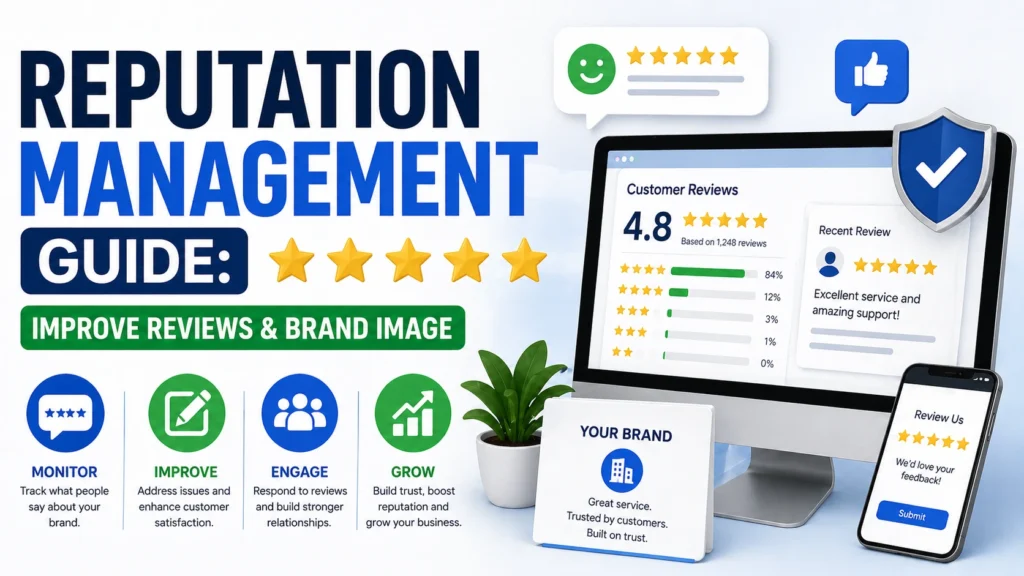
Reputation management guide infographic showing customer reviews, star ratings, brand monitoring, and strategies to improve online reputation and customer feedback

Hi I’m Roxell!

Your Injury Attorney, Business Mentor, and Teacher

Today, your brand’s reputation depends less on what you say and more on what people say about you online. Google reviews, social media comments, blog mentions, and search results all shape how others see your business. One negative review can turn away many potential customers, but a strong reputation builds trust, loyalty, and long-term growth.

This Online Reputation Management Guide helps businesses take control of their digital image. Whether you want to improve reviews, recover from negative feedback, or build a strong brand, this guide offers proven strategies, tools, and insights to help you succeed.


Table of Contents:

  1. What Is Online Reputation Management (ORM)?
  2. Why Online Reputation Matters in 2026 and Beyond?
  3. The Psychology Behind Reviews and Consumer Trust
  4. Core Components of a Strong Online Reputation
  5. Step-by-Step Guide to Improving Online Reviews
  6. Advanced Review Generation Strategies
  7. Responding to Negative Reviews Like a Pro
  8. Crisis Reputation Management
  9. Best Tools for Monitoring Your Online Reputation
  10. Building a Strong and Positive Brand Image
  11. The Role of Content Marketing in ORM
  12. SEO and Reputation Management: A Powerful Combination
  13. Social Media and Its Impact on Brand Perception
  14. Local SEO and Reputation for Small Businesses
  15. Monitoring and Maintaining Your Reputation
  16. Common ORM Mistakes and How to Avoid Them
  17. Future Trends in Online Reputation Management
  18. Frequently Asked Questions (FAQs)
  19. Final Thoughts & Call to Action

    1. What Is Online Reputation Management (ORM)?

    Online Reputation Management (ORM) is much more than just “managing reviews” or replying to comments—it is a comprehensive, strategic approach to controlling how your brand is seen, understood, and trusted online.

    At its core, ORM is about influencing perception. Every time someone searches your business name, reads a review, sees a social media post, or encounters your brand in search results, they are forming an opinion. ORM ensures that those opinions are positive, accurate, and aligned with your brand values.


    🔍 A Deeper Look at What ORM Really Means

    Your online reputation is your digital first impression and often your only chance to win a customer.

    ORM involves three major pillars:


    1. Monitoring (Listening to the Internet)

    This is the foundation of ORM.

    You need to constantly track what people are saying about your brand across:

    • Google reviews
    • Social media platforms (Facebook, Instagram, LinkedIn, TikTok)
    • Forums and communities (Reddit, Quora)
    • News articles and blogs
    • Business directories (Yelp, TripAdvisor, etc.)
    Monitoring helps you:
    • Detect issues early
    • Identify trends in customer feedback.
    • Understand public sentiment
    • Stay aware of your brand’s visibility.
    If you don’t monitor your reputation, you won’t know how people see your brand.

    2. Influencing (Shaping Public Perception)

    After you learn what people are saying, your next step is to guide the conversation about your brand.

    This includes:

    • Encouraging satisfied customers to leave positive reviews
    • Creating high-quality content that reflects your expertise
    • Engaging with your audience consistently
    • Addressing misinformation or negative press

    Your goal is to influence how people view and think about your brand.

    For example:

    • If your business has 100+ positive reviews, new customers are more likely to trust you.
    • If your website and blog rank high on Google, you control the story people read.

    3. Managing (Responding and Taking Action)

    This is the stage where ORM is most noticeable.

    It includes:

    • Responding to reviews (both positive and negative)
    • Resolving customer complaints
    • Handling public relations issues
    • Managing crises (e.g., viral complaints or bad press)

    How you respond is just as important as what people say about you.

    A thoughtful, professional response can:

    • Turn a negative experience into a positive one.
    • Show transparency and accountability.
    • Show future customers that you care by responding thoughtfully to feedback.


    🔑 ORM Is Not Just Reactive; It’s Proactive

    Many businesses believe ORM only matters when something goes wrong, but that’s a mistake.

    Reactive ORM = Fixing damage after it happens
    Proactive ORM = Building a strong reputation so damage has less impact

    A proactive ORM strategy includes:

    • Consistently collecting positive reviews.
    • Publishing helpful, SEO-optimized content
    • Building strong customer relationships
    • Establishing authority in your industry
    When done well, proactive ORM creates a reputation buffer. This means that even if you get negative feedback, it won’t seriously harm your brand.

    2. Why Online Reputation Matters in 2026 and Beyond?

    Online Reputation Management (ORM) has become much more important over the past decade. In 2026 and beyond, it will be one of the most important factors in business success. As the digital world changes, consumers are doing more research, becoming more skeptical, and focusing on their experiences.
    Your reputation is not just a reflection of your business. It now decides whether your business grows or struggles. Here’s why ORM is more important than ever.

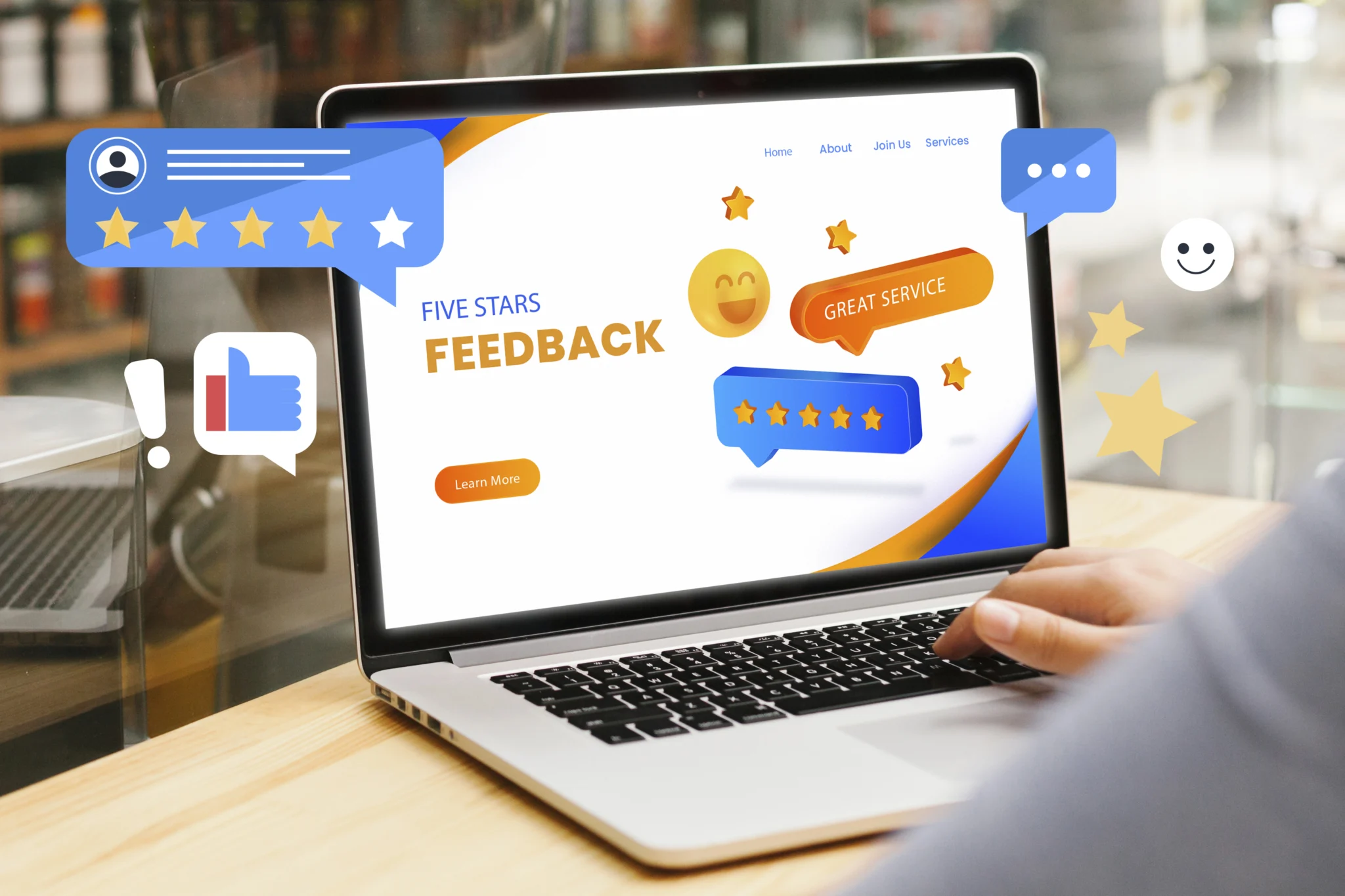
    Customer feedback concept on laptop screen with five-star ratings, review icons, and user interaction, representing online reviews, customer satisfaction, and reputation management

    🌐 Digital-First Decision Making

    Modern consumers no longer walk into a store or contact a business without first doing some form of online research. Whether they are looking for a restaurant, a law firm, a marketing agency, or a local service provider, their journey almost always begins with a search engine.

    Before making a decision, customers typically:

    • Google your business name.
    • Check your Google rating and reviews.
    • Visit your website
    • Browse your social media pages.
    • Compare yourself with competitors.

    This means your online reputation is like your digital storefront and is often your first impression.

    If a potential customer sees:

    • Low ratings
    • Negative reviews
    • No recent activity
    • Poor or outdated information

    They are highly likely to move on to a competitor without ever contacting you.

    On the other hand, if your business shows:

    • High ratings (4.5 stars and above)
    • Consistent positive feedback
    • Active engagement with customers
    • A professional and trustworthy online presence
    You immediately build credibility—even before any direct interaction.

    👉 In 2026, your online reputation is your sales pitch before you ever talk to a customer.


    💰 Trust Equals Revenue

    Trust has always been important in business, but in the digital age, it is quantifiable and visible.

    Online reviews, ratings, and testimonials serve as measurable indicators of trust. Consumers rely on these signals to determine whether your business is reliable, professional, and worth their money.

    Here’s how trust directly impacts revenue:

    • Higher ratings = higher click-through rates
    • Positive reviews = increased conversions
    • Strong reputation = repeat customers and referrals.
    For example:
    • A business with a 4.8-star rating will almost always outperform a competitor with a 3.9-star rating—even if their services are similar.
    • Customers are often willing to pay more for businesses with better reputations because they perceive less risk.

    Trust reduces hesitation. When customers feel confident, they make decisions faster and are more likely to choose your brand.

    Additionally, trust doesn’t just bring in new customers—it builds loyalty.

    Customers who trust your brand are more likely to:

    • Leave positive reviews
    • Recommend your business to others.
    • Return for repeat purchases.
    👉 Simply put, reputation builds trust, and trust leads to revenue growth.


    ⚡ Instant Accessibility of Information

    One of the biggest shifts in the digital era is the speed at which information spreads and the ease with which it can be accessed.

    In the past, a customer might have needed to ask around for opinions about a business. Today, they can find everything they need in seconds.

    With just a few clicks, anyone can:

    • Read dozens (or hundreds) of reviews.
    • See customer complaints
    • Watch video testimonials
    • Check ratings across multiple platforms.
    • View social media interactions.
    Because information is so easy to find, you can’t control when or how people learn about your brand. They can look you up at any time.

    This has two major implications:


    1. Positive Information Works in Your Favor
    If your brand has:
    • Strong reviews
    • Positive press
    • High-quality content
    Customers will quickly see that and feel reassured.

    2. Negative Information Spreads Quickly
    A single bad experience can:
    • Be posted publicly
    • Gain traction on social media.
    • Influence hundreds or thousands of potential customers.

    And because online content is persistent, negative feedback can stay visible for a long time if not managed properly.

    👉 In 2026, transparency is a must. Customers will find out the truth about your brand, whether you manage it or not.


    🏆 Competitive Differentiation

    In today’s saturated markets, customers are often faced with multiple businesses offering similar products or services. Pricing, features, and even location are no longer the only deciding factors.

    Reputation has become a key differentiator.

    When customers compare options, they often ask:

    • Which business has better reviews?
    • Which one seems more trustworthy?
    • Which brand engages with customers more?
    If your competitors have similar offerings, your reputation becomes the tie-breaker.

    Example Scenario:
    A customer is choosing between two service providers:

    Business A:

    • 4.1-star rating
    • Limited reviews
    • Minimal engagement
    Business B:
    • 4.7-star rating
    • Hundreds of positive reviews
    • Active responses to feedback
    Even if Business A is slightly cheaper, most customers will choose Business B because it feels safer and more reliable.

    Reputation also helps you:

    • Stand out in crowded industries.
    • Justify premium pricing
    • Build a stronger brand identity.
    👉 Your reputation is often why customers pick you over competitors, even when everything else is the same.

    3. The Psychology Behind Reviews and Consumer Trust

    Understanding human behavior is key to mastering ORM.
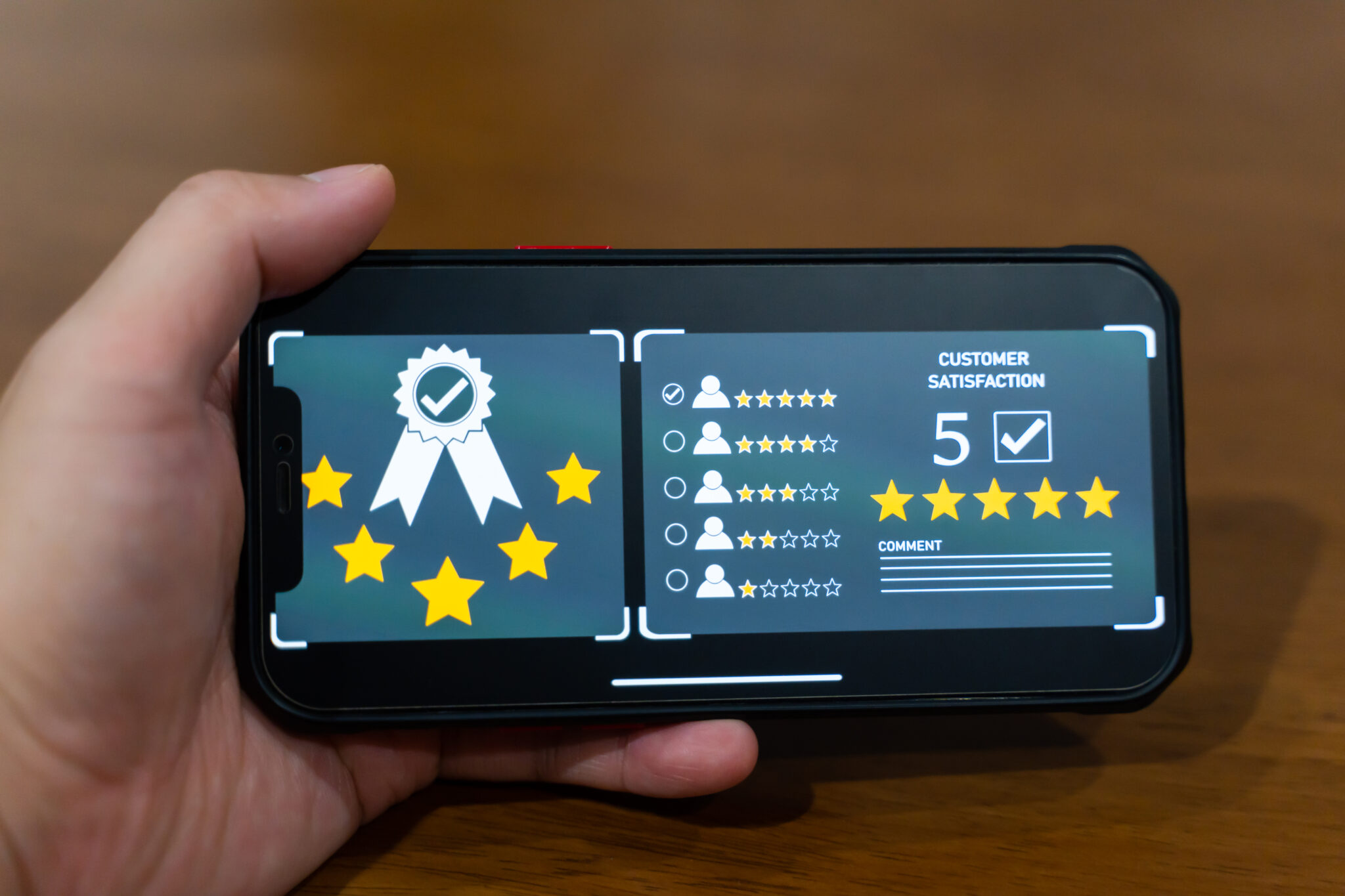
    Customer satisfaction rating displayed on smartphone with five-star reviews, feedback scores, and user ratings, representing mobile review system and online reputation management
    Social Proof
    People trust other people. Reviews act as endorsements that validate your brand.

    Herd Mentality
    Consumers tend to follow the majority opinion. A high number of positive reviews can significantly influence decisions.

    Emotional Influence
    Reviews often contain emotional language that resonates with readers.

    Negativity Bias
    Negative experiences tend to stand out more, making it crucial to address them quickly.

    4. Core Components of a Strong Online Reputation

    A successful reputation strategy includes several key elements:

    Reviews and Ratings
    Your star rating is often the first thing customers notice.

    Brand Consistency
    Your messaging, tone, and visuals should be aligned across all platforms.

    Customer Experience
    Happy customers are your best advocates.

    Online Visibility
    Being present on relevant platforms ensures credibility.

    Transparency and Authenticity
    Honesty builds trust over time.

    5. Step-by-Step Guide to Improving Online Reviews

    Improving reviews is the backbone of any Online Reputation Management Guide.

    Step 1: Deliver Exceptional Service
    Great reviews start with great experiences.

    Step 2: Ask for Reviews
    Don’t wait—actively request feedback.

    Step 3: Simplify the Process
    Provide direct links to review platforms.

    Step 4: Follow Up
    Send reminders to customers who haven’t responded.

    Step 5: Respond to Reviews
    Engage with both positive and negative feedback.

    6. Advanced Review Generation Strategies

    To scale your efforts:

    Automate Requests
    Use CRM systems to automatically trigger review requests.

    Use SMS Campaigns
    Text messages have higher open rates than emails.

    Create a Review Funnel
    Address customer concerns directly on public platforms while resolving issues privately.

    Offer Excellent Post-Purchase Support
    Happy customers are more likely to leave reviews.

    7. Responding to Negative Reviews Like a Pro

    Negative reviews are bound to happen, but you can manage them.

    Stay professional
    Never argue or become defensive.

    Acknowledge the Problem
    Show empathy and understanding.

    Offer a Solution
    Provide clear steps to resolve the issue.

    Take It Offline
    Handle complex issues privately.

    Follow Up
    Turn unhappy customers into loyal advocates.

    8. Crisis Reputation Management

    When issues escalate, a structured approach is essential.

    Identify the Root Cause
    Understand what triggered the crisis.

    Communicate Quickly
    Silence can damage trust.

    Be Transparent
    Honesty is critical during crises.

    Monitor Public Response
    Adjust your strategy based on feedback.

    9. Best Tools for Monitoring Your Online Reputation 

    Managing your online reputation by hand can quickly become overwhelming, especially as your business grows and your brand is mentioned on more platforms. Reviews, social media comments, blog mentions, news articles, and forum discussions can happen at any time.

    Missing even one important conversation can affect how people see your brand.

    This is why reputation management tools are so important. They let you track, analyze, and respond to what people say about your business in real time. Instead of searching for mentions yourself, these tools bring the information to you, helping you stay proactive, organized, and in control.

    Let’s take a deeper look at the most effective tools and how they contribute to a strong Online Reputation Management Guide strategy.


    🔔 Google Alerts

    Google Alerts is one of the simplest yet most powerful tools for monitoring your online presence. It allows you to track when your business name, brand keywords, or even competitor names are mentioned across the web.
    Google Alerts logo with notification bell icon, representing real-time alerts, monitoring keywords, and tracking online mentions for SEO and brand management

    Once set up, Google Alerts will automatically send you notifications whenever new content related to your selected keywords appears online.

    This can include:

    • Blog posts
    • News articles
    • Website mentions
    • Public discussions

    The value of Google Alerts lies in its simplicity and accessibility. It’s free, easy to set up, and provides a steady stream of updates about your brand’s visibility.

    For example, if someone writes a blog post reviewing your service or mentions your business in an article, you’ll know about it quickly.

    This gives you the opportunity to:

    • Engage with the content.
    • Share positive mentions
    • Address any concerns or inaccuracies.
    Google Alerts is especially useful for early detection, allowing you to respond before small issues become larger problems.


    📊 Brand24

    Brand24 is a more advanced tool designed specifically for real-time brand monitoring and sentiment analysis.

    Unlike Google Alerts, which focuses mainly on web content, Brand24 tracks conversations across:

    • Social media platforms
    • Forums
    • Blogs
    • News sites

    One of its biggest strengths is its ability to analyze sentiment, meaning it can help you understand whether mentions of your brand are positive, negative, or neutral.

    This gives you deeper insights into:

    • How customers feel about your business
    • Which areas need improvement
    • What people are saying about your competitors

    Brand24 also gives you real-time alerts. If your brand suddenly gets a lot of mentions, whether positive or negative, you can respond right away.

    For example:

    • If a customer complaint starts to gain traction on social media, you can respond quickly to prevent escalation.
    • If a positive post goes viral, you can engage with it and amplify the exposure.
    This tool is ideal for businesses that want data-driven insights and a more comprehensive view of their online reputation.


    📱 Hootsuite

    Hootsuite is primarily known as a social media management platform, but it also plays a major role in reputation management.

    Social media is one of the most active spaces where customers interact with brands. Comments, messages, mentions, and tags can happen at any time, and responding quickly is crucial.

    Hootsuite allows you to:

    • Monitor multiple social media accounts from a single dashboard.
    • Track mentions and hashtags related to your brand
    • Respond to comments and messages in real time.
    • Schedule posts and maintain consistent engagement

    One of its biggest advantages is centralization. Instead of logging into multiple platforms individually, you can manage everything from one place.

    This improves efficiency and ensures that no customer interaction goes unnoticed.

    For ORM, Hootsuite helps you:

    • Stay responsive
    • Maintain a consistent brand voice.
    • Build stronger relationships with your audience.
    In today’s fast-paced digital environment, timely responses on social media can significantly influence how your brand is perceived.


    ⭐ Trustpilot

    Trustpilot is a well-known review platform that focuses on collecting and showcasing customer feedback. It is particularly valuable for businesses that want to build trust through verified reviews.

    Unlike general monitoring tools, Trustpilot serves as both a review management system and a credibility platform.

    It allows you to:

    • Collect verified customer reviews.
    • Respond to feedback publicly.
    • Display reviews on your website
    • Build a strong reputation profile.

    One of the key benefits of Trustpilot is transparency. Reviews are public, and potential customers often trust platforms like Trustpilot because they are perceived as unbiased.

    By actively managing your Trustpilot profile, you can:

    • Highlight positive customer experiences.
    • Address negative feedback professionally.
    • Build long-term trust with your audience.
    Trustpilot also encourages businesses to continuously gather feedback, which helps keep your reputation fresh and relevant.


    📈 SEMrush

    SEMrush is primarily an SEO and digital marketing tool, but it plays a crucial role in reputation management by helping you control what appears in search results.

    As part of your Online Reputation Management Guide, search engine visibility is critical. When someone searches for your business, the results they see immediately shape their perception.

    SEMrush helps you:

    • Track your brand’s search rankings.
    • Identify which pages appear for your brand name.
    • Analyze backlinks and online authority.
    • Monitor competitor visibility
    This information allows you to:
    • Optimize positive content to rank higher.
    • Identify negative or unwanted content in search results.
    • Develop strategies to improve your online presence.

    For example, if negative content appears on the first page of search results, SEMrush can help you understand how to create and promote positive content to push it down.

    In this way, SEMrush is more than a monitoring tool. It’s a strategic tool for shaping your digital story.

    10. Building a Strong and Positive Brand Image

    Your brand image is your identity.
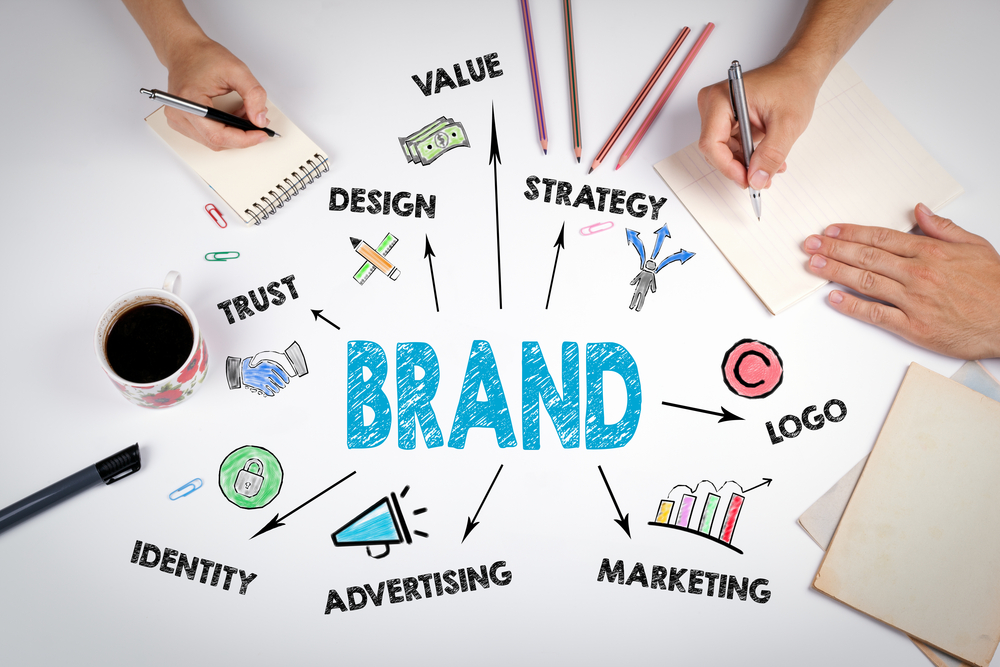
    Strategic brand planning session with icons for advertising, marketing, and value proposition, illustrating integrated marketing communications and brand growth consulting
    Define Your Values
    What does your brand stand for?

    Be Consistent
    Consistency builds recognition.

    Engage with Your Audience
    Interaction fosters connection.

    Highlight Success Stories
    Showcase real customer experiences.

    11. The Role of Content Marketing in ORM

    Content shapes perception.

    Blogging
    Educates and builds authority.

    Video Content
    Engages audiences effectively.

    Social Media
    Maintains visibility and interaction.

    Case Studies
    Provide proof of success.

    12. SEO and Reputation Management: A Powerful Combination

    SEO ensures that positive content ranks higher.

    Optimize Branded Searches
    Control what appears when people search your name.

    Publish Regular Content
    Fresh content improves rankings.

    Build Authority
    Backlinks from reputable sites boost credibility.

    13. Social Media and Its Impact on Brand Perception

    Social media is a double-edged sword.

    Positive Impact
    • Builds relationships
    • Enhances visibility
    • Encourages engagement
    Risks
    • Viral negative feedback
    • Public criticism
    Consistency and responsiveness are key.

    14. Local SEO and Reputation for Small Businesses

    For local businesses, reputation is everything.

    Google Business Profile Optimization
    Ensure accurate information.

    Encourage Local Reviews
    Local customers rely heavily on reviews.

    Engage with Community
    Build trust within your area.

    15. Monitoring and Maintaining Your Reputation

    Reputation management is ongoing.

    Daily Monitoring
    Stay updated on mentions.

    Analyze Feedback
    Identify trends and patterns.

    Adjust Strategies
    Improve based on insights.

    16. Common ORM Mistakes and How to Avoid Them

    Avoid these:
    • Ignoring feedback
    • Posting fake reviews
    • Delayed responses
    • Lack of consistency
    Authenticity is essential.

    17. Future Trends in Online Reputation Management

    AI Automation
    Faster monitoring and responses.

    Voice Search Integration
    Reviews influence voice search results.

    Video Reviews
    More engaging and persuasive.

    Transparency Expectations
    Customers demand honesty.

    18. Frequently Asked Questions (FAQs)


    1. What is an Online Reputation Management Guide?
    An Online Reputation Management Guide provides strategies and tools to monitor, improve, and maintain a brand’s online image.

    2. How can I improve my online reviews quickly?
    Focus on delivering great service, asking for feedback, and responding to reviews promptly.

    3. Can I delete negative reviews?
    Only if they violate platform guidelines. Otherwise, respond professionally.

    4. How important is SEO in ORM?
    SEO is crucial as it determines what people see when they search for your brand.

    5. How often should I monitor my reputation?
    Daily monitoring is ideal for staying proactive.

    19. Final Thoughts: Your Reputation Is Your Power

    Your online reputation is not just a reflection of your business—it’s a powerful driver of growth. A strong reputation builds trust, attracts customers, and creates long-term success.

    This Online Reputation Management Guide emphasizes that reputation is built through consistent effort, authentic engagement, and strategic action.


    🚀 Take Control of Your Reputation with Excell

    Your brand deserves to stand out, and your reputation should help you, not hold you back.

    At Excell, we specialize in transforming online reputations into powerful growth engines.

    Banner of Excell offering Social Media Marketing Services to help you on your growing social media reach

    From generating positive reviews to dominating search results, we provide tailored strategies that deliver real results.

    👉 Want to boost your reviews and ratings?
    👉 Need to rebuild trust and credibility?
    👉 Ready to elevate your brand image?

    🔥 Now is the time to act. Don’t let your reputation fall behind your competitors.

    Contact us today and Book your free discovery call to get done for your services and take full control of your online presence.

    Contact us now and start building a brand people trust, recommend, and choose.

    Contact us:

    EXCELL INDUSTRIES LLC
    6420 Richmond Ave., Ste 470
    Houston, TX, USA
    Phone: +1 832-850-4292
    Email: info@excellofficial.com

    Other Blogs…

    Complete SEO Guide for Businesses: How to Rank Higher on Google (2026)

    Complete SEO Guide for Businesses: How to Rank Higher on Google (2026)

    In today’s digital world, being visible on Google is crucial for any business. Most people use search engines to find products, services, and answers to their questions. If your business isn’t on the first page of results, you could be missing out on valuable...

    Content Marketing Strategy Guide: How to Plan, Create & Convert

    Content Marketing Strategy Guide: How to Plan, Create & Convert

    Table of Contents: Introduction What is a Content Marketing Strategy Guide? Why Your Business Needs a Content Marketing Strategy? Key Components of a Winning Content Marketing Strategy Guide Step-by-Step: How to Plan Your Content Marketing Strategy Creating...

    How to Create a Winning SEO Content Strategy in 2026

    How to Create a Winning SEO Content Strategy in 2026

    Table of Contents: Introduction to Content Strategy SEO in 2026 Why SEO Content Strategy Matters More Than Ever Key Components of a Winning Content Strategy SEO Understanding Search Intent in 2026 Keyword Research Evolution and AI Integration Content Creation Best...