

Table of Contents:
- Introduction
- What Is a Toxic Backlink?
- Understanding the Role of Backlinks in SEO
- Why Google Values High-Quality Backlinks
- Why Toxic Backlinks Hurt SEO
- Common Types of Toxic Backlinks
- How Toxic Backlinks Are Created
- Signs Your Website May Have Toxic Backlinks
- How Google Handles Toxic Backlinks Today
- How to Identify Toxic Backlinks
- 5 Important Questions About Toxic Backlinks
- How to Remove Toxic Backlinks
- Using Google’s Disavow Tool Correctly
- How to Prevent Toxic Backlinks in the Future
- Building a Healthy Backlink Profile
- Common Myths About Toxic Backlinks
- Final Thoughts
- Partner With Excell for Better SEO Results
What Are Toxic Backlinks and Why Do They Hurt SEO?
Backlinks have long been considered one of the most influential ranking factors in search engine optimization (SEO). When another website links to your content, search engines interpret that link as a signal of trust, credibility, and relevance. In many ways, backlinks function like votes of confidence across the internet. The more high-quality and relevant websites that link to your content, the more likely search engines are to view your website as a valuable resource worthy of higher rankings.
However, not all backlinks are beneficial.
While authoritative backlinks from trusted websites can strengthen your online visibility and improve search engine rankings, low-quality or manipulative backlinks can have the opposite effect. Some links may provide little value, while others can actively harm your website’s SEO performance. These harmful links are commonly known as toxic backlinks.
Understanding what a toxic backlink is has become increasingly important for website owners, digital marketers, SEO professionals, and businesses that rely on organic search traffic. As Google’s algorithms continue to evolve, the search engine has become far more sophisticated at evaluating link quality and identifying unnatural link-building patterns. This means that simply accumulating a large number of backlinks is no longer an effective SEO strategy. Instead, search engines focus on the quality, relevance, and trustworthiness of the websites providing those links.
So, what is a toxic backlink?
A toxic backlink is an inbound link from a website that search engines consider spammy, manipulative, irrelevant, or otherwise untrustworthy. These links often originate from websites that exist primarily to manipulate rankings rather than provide useful information to users. Examples include link farms, private blog networks (PBNs), spam directories, hacked websites, low-quality article repositories, and websites involved in link-selling schemes.
Unlike natural backlinks that are earned through valuable content and genuine authority, toxic backlinks typically violate Google’s Search Essentials and Webmaster Guidelines. They are often created solely for SEO manipulation, posing a potential risk to websites seeking to maintain strong search visibility.
The importance of understanding toxic backlinks stems from the history of SEO itself. In the early 2000s, search engines placed significant emphasis on the quantity of backlinks. This led many website owners and SEO practitioners to pursue aggressive link-building tactics designed to increase rankings as quickly as possible. Businesses frequently purchased thousands of backlinks, participated in large-scale link exchanges, submitted websites to hundreds of low-quality directories, or used automated software to generate links across the web.
For a time, these tactics worked.
Websites with massive backlink profiles often outranked competitors regardless of content quality. However, this created a poor user experience and undermined the integrity of search results. To combat manipulation, Google introduced major algorithm updates, such as Penguin, and continuously refined its spam-detection systems. These updates dramatically changed how backlinks were evaluated, shifting the focus from quantity to quality and relevance.
Today, Google’s algorithms can analyze hundreds of signals related to backlinks, including the authority of the linking domain, topical relevance, anchor text patterns, link placement, user engagement metrics, and overall website trustworthiness. As a result, backlinks that once helped rankings may now be ignored or worse, contribute to SEO problems if they appear manipulative.
A backlink profile filled with toxic links can create several challenges. It may reduce trust signals on your website, make it more difficult to establish authority in your industry, and increase the likelihood of algorithmic filtering or manual review. Although Google now automatically ignores many low-quality links, websites with extensive patterns of unnatural backlinks may still experience ranking volatility, reduced organic traffic, or manual penalties in severe cases.
Another reason toxic backlinks matter is that they can distort your overall SEO strategy. Many businesses invest heavily in content marketing, technical SEO improvements, and user experience enhancements without realizing that harmful backlinks may be limiting their results. Even a well-optimized website can struggle to reach its full ranking potential if its backlink profile contains a significant number of suspicious or manipulative links.
Furthermore, toxic backlinks are not always intentionally created. In some cases, they result from outdated SEO practices, poor-quality link-building services, negative SEO attacks from competitors, automated spam campaigns, or backlinks acquired through previous marketing efforts that no longer align with modern search engine guidelines. This means that even legitimate businesses with no intention of violating Google’s policies may discover harmful backlinks pointing to their websites.
For this reason, regular backlink audits have become an essential component of modern SEO management. Monitoring your backlink profile allows you to identify potentially harmful links, evaluate their impact, and take corrective action when necessary. By understanding the difference between high-quality backlinks and toxic backlinks, businesses can make more informed SEO decisions and focus their efforts on sustainable, long-term growth.
In today’s competitive digital landscape, building a strong backlink profile is not about acquiring the most links; it’s about earning the right links. Quality backlinks from reputable, relevant, and authoritative websites continue to play a critical role in SEO success, while toxic backlinks can undermine months or even years of optimization efforts if left unchecked.
Whether you manage a local business website, an eCommerce platform, a SaaS company, or a large enterprise site, understanding what a toxic backlink is and how it affects SEO is essential for protecting your rankings, maintaining your website’s credibility, and achieving long-term organic search success. The more proactive you are in monitoring and managing your backlink profile, the better positioned your website will be to compete in search results and earn the trust of both users and search engines.
What Is a Toxic Backlink?
Let’s start with the core question: what is a toxic backlink?
A toxic backlink is an inbound link from another website that may harm your website’s SEO performance because it comes from a low-quality, irrelevant, spammy, suspicious, or manipulative source. In SEO, a backlink is supposed to signal trust. When a reputable website links to your page, it suggests that your content is useful, credible, or worth referencing. However, when a backlink comes from a website that search engines associate with spam, link manipulation, malware, or poor-quality content, that link may pose a risk rather than create value.
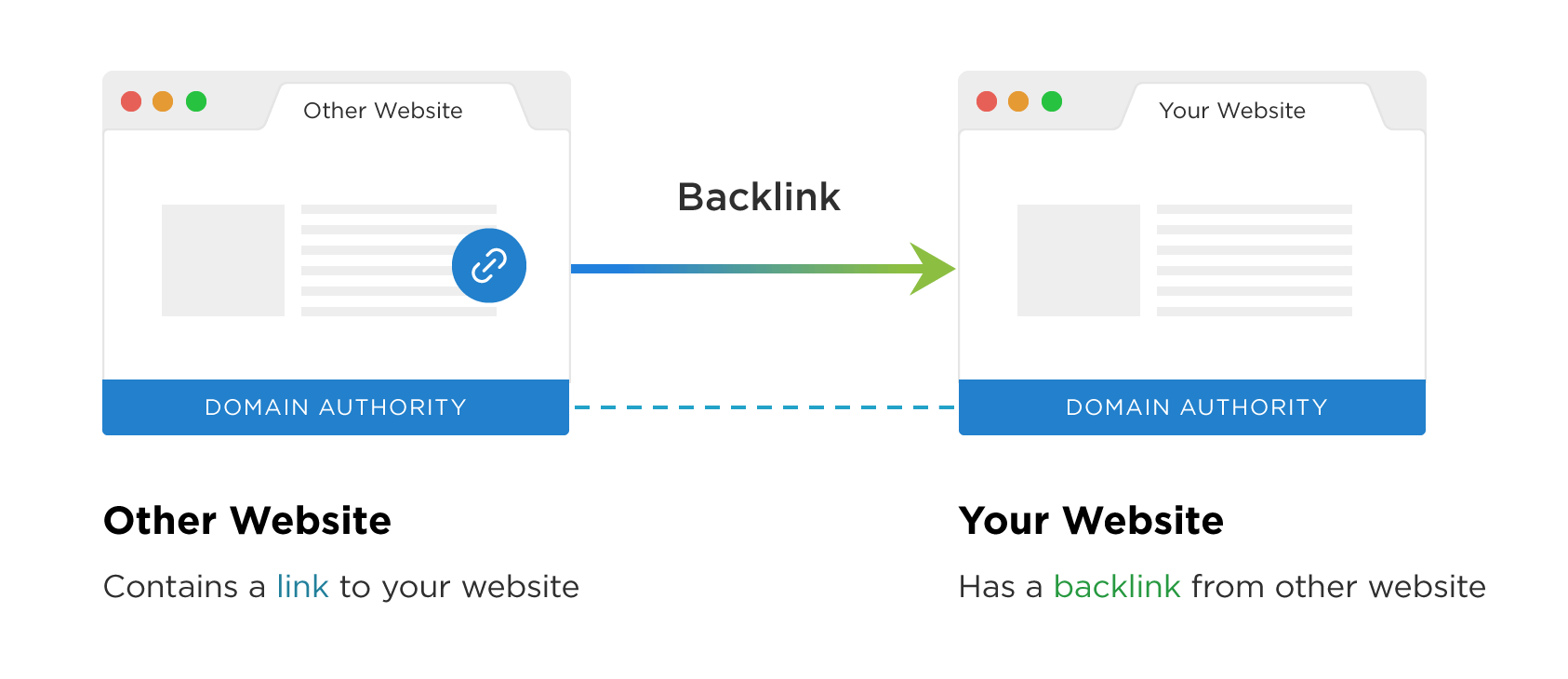
In simple terms, a toxic backlink is a backlink that sends the wrong signal to search engines.
Instead of helping Google understand that your website is trustworthy and authoritative, a toxic backlink may suggest that your site is connected to questionable link-building practices. These links are often created to manipulate rankings rather than help users discover helpful information. Because Google’s search systems are designed to reward useful, reliable, and relevant content, backlinks that appear artificial or abusive can weaken a website’s link profile.
A backlink becomes toxic when it originates from sources that demonstrate poor quality or manipulative signals, such as:
- Spam websites with little or no original content
- Link farms are created only to exchange or sell links.
- Private Blog Networks, also known as PBNs
- Hacked websites with injected links
- Malware-infected or unsafe websites
- Automated link schemes generated by software
- Irrelevant websites with no topical connection to your business
- Sites created solely to sell backlinks
- Low-quality directories with hundreds or thousands of unrelated outbound links
- Comment spam from blogs or forums.
- Websites using hidden links or keyword-stuffed anchor text
- Foreign-language sites that have no natural relationship to your audience or market
- Pages filled with duplicate, scraped, or AI-spun content.
The key issue is not simply that these websites have low traffic or low authority. A website can be small, new, or have modest authority and still provide a legitimate backlink if the link is relevant, natural, and useful. For example, a local nonprofit, neighborhood blog, niche industry publication, or small business partner may not have a high domain authority score, but a backlink from that site can still be valuable if it makes sense contextually.
Toxicity is determined by the quality, intent, relevance, and trustworthiness of the linking source.
For example, imagine a personal injury law firm’s website suddenly receives hundreds of backlinks from gambling websites, cryptocurrency spam blogs, adult-content domains, and unrelated foreign-language directories. These links do not help users. They do not support the law firm’s expertise. They do not come from relevant legal, medical, insurance, local news, or community sources. Instead, they create an unnatural pattern that may look manipulative to search engines.
That is what makes toxic backlinks dangerous.
They can distort your backlink profile and make it harder for search engines to understand which links are genuine endorsements and which are artificial. A healthy backlink profile should contain links from websites that are topically relevant, trustworthy, and editorially reasonable. If a large portion of your backlinks comes from suspicious sources, your website may appear less credible, even if your actual content is high quality.
A toxic backlink can also involve unnatural anchor text. Anchor text is the clickable text used in a hyperlink. For example, if a website links to your page using the phrase “best SEO agency,” that phrase is anchor text. Natural backlink profiles usually contain a mix of branded anchor text, URL anchors, generic phrases, and topic-related terms. Toxic backlink profiles often contain repeated, keyword-heavy anchors, irrelevant phrases, or spam terms unrelated to the website being linked to.
For instance, if a dental clinic receives hundreds of backlinks using anchors related to online casinos, adult services, or pharmaceutical spam, those links may raise red flags. Even if the clinic did not create those links, the pattern may still be worth reviewing.
It is also important to understand that toxic backlinks are not always created intentionally. Some website owners inherit toxic backlinks from previous SEO campaigns. Others receive them from cheap link-building packages, outdated directory submissions, automated spam bots, or negative SEO attacks. In some cases, toxic backlinks appear because a website’s content was scraped and republished on low-quality sites that automatically include links back to the original source.
This is why backlink monitoring is an important part of SEO maintenance. A business may have no intention of violating search engine guidelines, yet still accumulate harmful links over time.
However, not every suspicious backlink requires panic. Google has become much better at automatically identifying and ignoring many low-quality backlinks. A few spammy links pointing to your site are normal and usually not a major concern. Most established websites attract random, low-quality links at some point. The real concern appears when there is a large pattern of unnatural links, a history of manipulative link building, or signs that your rankings and organic traffic are being affected.
In short, when asking what a toxic backlink is, the most precise answer is this:
A toxic backlink is an inbound link from an untrustworthy, irrelevant, spammy, or manipulative source that may weaken your website’s SEO authority, distort your backlink profile, or increase the risk of search engine penalties when it appears as part of an unnatural linking pattern.
The goal of SEO is not to collect as many backlinks as possible. The goal is to earn backlinks that make sense, support your expertise, and help users find valuable information. A single relevant backlink from a trusted industry website can be far more beneficial than hundreds of toxic backlinks from spam domains. Quality, relevance, and trust matter far more than volume.
Understanding the Role of Backlinks in SEO
To understand why toxic backlinks matter, it’s helpful to understand why backlinks matter in the first place.
Backlinks act as votes of confidence between websites. When another website links to your content, it tells search engines:
“This page contains information worth referencing.”
Search engines use these signals to determine which pages deserve higher rankings.
Backlinks help SEO in several ways:
Authority Building
Links from trusted websites pass authority signals. When authoritative sites link to your content, your website may gain credibility in Google’s eyes.
Improved Rankings
Numerous studies continue to show a strong relationship between quality backlinks and higher rankings.
Content Discovery
Search engines use links to discover new pages across the web.
Referral Traffic
Backlinks can generate direct visitors from referring websites.
Brand Visibility
Being cited by reputable websites increases awareness and trust among potential customers.
Because backlinks are so influential, they have long been a target for manipulation.
Toxic backlinks are often the result of attempts to exploit this ranking signal.
Why Google Values High-Quality Backlinks?
Google’s goal is simple: deliver the most useful and trustworthy search results possible. High-quality backlinks help Google identify content that deserves visibility.
A valuable backlink typically comes from a website that:
- Is relevant to your industry
- Produces quality content
- Has real visitors
- Maintains editorial standards
- Earns trust naturally
For example, if a respected marketing publication links to your SEO guide, that link carries meaningful value because it reflects genuine editorial judgment.
Google prefers these natural endorsements because they indicate that real people find your content useful.
By contrast, toxic backlinks often exist solely to manipulate rankings, providing little or no value to users.
Why Toxic Backlinks Hurt SEO?
Many website owners assume all backlinks are good backlinks. Unfortunately, that’s not true.
Toxic backlinks can create several SEO challenges.
They Undermine Trust
Search engines evaluate the overall quality of your backlink profile.
When large numbers of spammy links point to your website, they can create trust concerns.
Google wants to rank websites that demonstrate expertise, authority, and trustworthiness. Toxic links may weaken those signals.
They Can Trigger Manual Actions
Google employs human reviewers who investigate websites suspected of violating spam guidelines.
If reviewers determine that your website has engaged in manipulative link practices, they may issue a manual action.
Consequences can include:
- Significant ranking drops
- Decreased organic traffic
- Deindexing of pages
- Reduced search visibility
They Distort Link Signals
Toxic backlinks create noise within your backlink profile.
This makes it harder for search engines to accurately evaluate the true quality of your website.
They May Impact Algorithmic Evaluations
While Google frequently ignores low-quality links, excessive patterns of manipulative backlinks may still influence how algorithms assess your website.
They Waste SEO Resources
Cleaning up toxic backlinks requires time, effort, and expertise.
Businesses often spend months recovering from poor link-building decisions.
Common Types of Toxic Backlinks
Not all toxic backlinks look the same.
Below are some of the most common categories.
Link Farms
Link farms are networks of websites created specifically to exchange or sell backlinks.
Characteristics include:
- Thin content
- Thousands of outbound links
- Poor design
- Little or no real traffic
Their sole purpose is to manipulate rankings.
Private Blog Networks (PBNs)
PBNs consist of multiple websites controlled by a single owner.
They are often built using expired domains and used to artificially pass authority.
Google actively targets PBNs because they violate search guidelines.
Spam Directory Links
Legitimate directories can provide value.
However, low-quality directories created solely for link building often generate toxic backlinks.
Blog Comment Spam
Automated tools frequently create backlinks through spam comments.
These comments typically offer no meaningful contribution to discussions.
Forum Spam
Links inserted into unrelated forums solely for SEO purposes can appear manipulative.
Hacked Website Links
Cybercriminals sometimes inject hidden links into hacked websites.
These links can point to completely unrelated businesses.

Malware and Phishing Websites
Backlinks from websites associated with malware or phishing campaigns can severely damage trust signals.
How Toxic Backlinks Are Created?
Toxic backlinks appear for various reasons.
Black-Hat SEO Campaigns
Some businesses knowingly purchase spam backlinks, hoping for quick rankings.
This often backfires.
Negative SEO Attacks
Competitors may attempt to harm rankings by creating spam backlinks pointing to your website.
While Google generally ignores these attacks, monitoring remains important.
Poor SEO Agencies
Some agencies still rely on outdated tactics such as:
- Link farms
- Automated link building
- PBNs
- Mass directory submissions
Automated Software
Certain tools automatically generate thousands of backlinks.
These links are often low quality and highly toxic.
Accidental Link Building
Website owners sometimes purchase cheap SEO packages without realizing the risks involved.
Signs Your Website May Have Toxic Backlinks
Several warning signs may indicate backlink issues.
Sudden Ranking Declines
If rankings drop unexpectedly, toxic backlinks may be one contributing factor.
Sharp Traffic Losses
Organic traffic declines can sometimes correspond with backlink problems.
Unusual Anchor Text
Watch for:
- Adult-related terms
- Gambling keywords
- Foreign-language phrases
- Pharmaceutical spam
Rapid Link Growth
Natural link growth tends to be gradual.
Thousands of new links appearing overnight often indicate spam.
Large Numbers of Irrelevant Domains
Links from unrelated industries deserve investigation.
For example:
- Casino websites linking to dentists
- Cryptocurrency blogs linking to family lawyers
- Adult sites linking to healthcare providers
How Google Handles Toxic Backlinks Today?
Google’s treatment of toxic backlinks has evolved significantly.
Years ago, websites could suffer severe ranking penalties due to spammy backlinks. Today, Google’s algorithms are more sophisticated. Google frequently states that it automatically ignores many low-quality links. This means that not every toxic backlink will harm your website.
However, this does not mean toxic backlinks should be ignored.
Google still takes action against:
- Paid link schemes
- Link exchanges
- PBNs
- Large-scale manipulation efforts
Maintaining a healthy backlink profile remains a critical SEO best practice.
How to Identify Toxic Backlinks?
Backlink audits should be performed regularly.
Use Google Search Console
Google Search Console provides valuable backlink data.
Review:
- Referring domains
- Top linked pages
- Anchor text
- Linking websites
Evaluate Relevance
Ask:
- Does this website relate to my industry?
- Would a real user find this link useful?
If the answer is no, further investigation may be necessary.
Review Website Quality
Warning signs include:
- Excessive advertisements
- Thin content
- Duplicate articles
- Malware warnings
- Thousands of outbound links
Use Professional SEO Tools
Popular options include:
- Ahrefs
- Semrush
- Moz
- Majestic
These platforms help identify potentially toxic backlinks and evaluate risk levels.
5 Important Questions About Toxic Backlinks
1. What Is a Toxic Backlink and Why Is It Harmful?
A toxic backlink is a harmful inbound link from a spammy, manipulative, or low-quality website. These links can damage trust signals, trigger penalties, and weaken SEO performance when they become excessive.
2. Can Toxic Backlinks Cause a Google Penalty?
Yes. While Google ignores many bad links, websites involved in manipulative link-building schemes may receive manual actions that negatively impact rankings.
3. How Many Toxic Backlinks Are Too Many?
There is no specific number. The overall pattern matters more than quantity. A handful of spam links usually isn’t a concern, but thousands of suspicious links may indicate problems.
4. Should Every Toxic Backlink Be Removed?
Not necessarily. Google often automatically ignores many spam links. Focus on links that clearly appear manipulative or contribute to manual action risks.
5. How Long Does Recovery Take After Removing Toxic Backlinks?
Recovery timelines vary. Some improvements may appear within weeks, while larger recoveries can take several months, depending on the severity of the issue.
How to Remove Toxic Backlinks?
Removing harmful links requires a systematic process.
Step 1: Conduct a Backlink Audit
Identify:
- Safe backlinks
- Suspicious backlinks
- Toxic backlinks
Step 2: Contact Webmasters
Request link removal professionally.
Include:
- The URL containing the link
- The page being linked to
- A polite removal request
Step 3: Track Your Efforts
Document:
- Contact dates
- Responses
- Removed links
Step 4: Create a Disavow File If Necessary
When removal isn’t possible, disavowing may be appropriate.
Step 5: Monitor Results
Continue reviewing your backlink profile regularly.
SEO recovery often takes time.
Using Google's Disavow Tool Correctly
The Disavow Tool allows website owners to tell Google not to consider specific backlinks. However, it should be used carefully.
Google recommends using it primarily when:
- Manual actions exist
- Large-scale spam attacks occur.
- Toxic links cannot be removed.
Submitting an incorrect disavow file may accidentally remove valuable link equity.
For most websites, a professional review is recommended before using the tool.
How to Prevent Toxic Backlinks in the Future?
Prevention is far easier than recovery.
Focus on Quality Content
High-quality content naturally attracts legitimate backlinks.
Avoid Cheap Link Packages
Services promising:
- 5,000 backlinks overnight
- Instant rankings
- Guaranteed Page 1 results
should raise concerns.
Audit Regularly
Quarterly backlink reviews can catch issues early.
Work With Reputable SEO Professionals
Ethical SEO agencies focus on sustainable strategies rather than shortcuts.
Monitor Competitor Activity
Understanding your industry’s backlink landscape helps identify unusual patterns.
Building a Healthy Backlink Profile
The best defense against toxic backlinks is a strong backlink profile.
Focus on earning links through:
Original Research
Unique data attracts citations.
Industry Studies
Comprehensive reports earn authority links.
Thought Leadership
Expert insights encourage references from trusted websites.
Guest Contributions
Contributing valuable content to respected publications can generate quality backlinks.
Digital PR Campaigns
Media coverage often produces powerful authority signals.
The goal is not to build the most backlinks.
The goal is to build the most trustworthy backlinks.
Common Myths About Toxic Backlinks
Myth 1: Every Low-Authority Website Is Toxic
False. Many newer websites offer valuable, relevant links.
Myth 2: More Backlinks Mean Better Rankings
False. A few authoritative backlinks often outperform thousands of spam links.
Myth 3: Google Penalizes Every Toxic Link
False. Google frequently ignores low-quality links rather than penalizing websites.
Myth 4: Buying Backlinks Is Always Safe
False. Paid links that pass ranking signals violate Google’s guidelines.
Myth 5: Toxic Backlinks Only Affect Large Websites
False. Businesses of all sizes can experience backlink-related SEO issues.
Final Thoughts
Understanding what a toxic backlink is is essential to maintaining a strong, sustainable SEO strategy. While backlinks remain one of the most influential ranking factors, the quality of those links matters far more than the quantity.
Toxic backlinks often originate from spammy websites, link schemes, automated networks, and other low-quality sources that provide little value to users. Left unchecked, these links can weaken trust signals, contribute to ranking instability, and in severe cases lead to manual actions from Google.
Fortunately, modern SEO tools make it easier than ever to monitor backlink profiles, identify suspicious links, and take corrective action when necessary. By focusing on quality content, ethical link-building practices, and regular backlink audits, businesses can build authority while minimizing SEO risks.
A healthy backlink profile is not built overnight. It is the result of consistent effort, valuable content, genuine relationships, and a long-term SEO strategy. The businesses that focus on earning trust rather than manipulating rankings are the ones most likely to achieve sustainable growth in search results.
Partner With Excell for Better SEO Results
Toxic backlinks can silently hold your website back from reaching its full potential. Whether you’re struggling with ranking drops, concerned about backlink quality, or simply want a stronger SEO foundation, Excell can help.
Our team specializes in:
✔ Comprehensive SEO Audits
✔ Toxic Backlink Analysis and Cleanup
✔ White-Hat Link Building
✔ Technical SEO Optimization
✔ Content Marketing Strategies
✔ Local SEO and National SEO Campaigns
✔ Long-Term Organic Growth Solutions

At Excell, we don’t believe in shortcuts, link schemes, or risky SEO tactics. We focus on sustainable strategies that improve visibility, build authority, and generate qualified leads for your business.
Ready to strengthen your backlink profile and improve your search rankings? Contact us today and Book your free discovery call to get done for your services.
Contact us:
EXCELL INDUSTRIES LLC
6420 Richmond Ave., Ste 470
Houston, TX, USA
Phone: +1 832-850-4292
Email: info@excellofficial.com