


Table of Contents:
- Introduction to Content Strategy SEO in 2026
- Why SEO Content Strategy Matters More Than Ever
- Key Components of a Winning Content Strategy SEO
- Understanding Search Intent in 2026
- Keyword Research Evolution and AI Integration
- Content Creation Best Practices
- On-Page SEO Optimization Techniques
- Technical SEO and Content Performance
- Content Distribution and Promotion
- Measuring and Improving Your Strategy
- Common Mistakes to Avoid
- Future Trends in SEO Content Strategy
- Frequently Asked Questions
- Conclusion and Call to Action
Introduction to Content Strategy SEO in 2026
In 2026, the landscape of digital marketing has undergone a dramatic transformation. What once worked, basic keyword targeting, thin blog posts, and backlink-heavy tactics, is no longer enough to compete. Today, businesses are operating in an environment where search engines prioritize context, credibility, and user satisfaction above all else. This shift has made content strategy SEO not just important, but absolutely essential.
At its core, content strategy SEO is no longer about keywords. It’s about creating a comprehensive content ecosystem that answers user questions, solves problems, and guides people from awareness to decision-making.
The Shift from Keywords to Intent and Experience
Previously, ranking on Google meant choosing a keyword and creating content for it.
While keywords still matter, search engines in 2026 use advanced AI to understand:
While keywords still matter, search engines in 2026 use advanced AI to understand:
- The meaning behind search queries
- The context of a user’s search history
- Behavioral signals such as time on page and engagement
- The relationship between topics (semantic search)
This means your content strategy SEO should focus on user intent, not just specific keywords.
For example, a user searching for “content strategy SEO” may have multiple intentions:
- Learning how to build a strategy
- Looking for tools or templates
- Comparing agencies or services
A winning strategy anticipates these needs and delivers content that addresses each stage of the journey.
The Rise of AI-Driven Search Engines
Search engines now use AI to interpret natural language, evaluate content quality, and predict user needs. AI-generated summaries, voice search, and personalized results have changed content discovery.
Because of this, your content must:
- Be deeply informative and comprehensive.
- Demonstrate real expertise and authority.
- Be structured for easy understanding (both for users and AI)
- Provide unique insights rather than generic information.
In short, superficial content is no longer competitive. Depth, clarity, and originality now drive rankings. Key takeaway: Only comprehensive, high-quality content will achieve top rankings.
Content Strategy SEO as a Growth Engine
A well-executed content strategy SEO acts as a sustainable growth engine for your business, as SEO-driven content attracts ongoing traffic, unlike paid advertising.
When done correctly, it helps you:
- Build consistent organic traffic.
- Establish trust and credibility in your niche.
- Educate your audience and nurture leads.
- Reduce dependency on paid marketing channels.
This makes content strategy SEO a cost-effective and scalable investment in 2026.
The Importance of Topical Authority
A major evolution is the focus on topical authority. Instead of ranking individual pages, search engines now assess how well your website covers a subject.
This means you must:
- Create interconnected content around core topics.
- Develop pillar pages and supporting articles.
- Maintain consistency in publishing and updates.
For example, if your niche is SEO, you shouldn’t just publish one article on content strategy SEO; you should build a full content ecosystem that includes keyword research, on-page SEO, technical SEO, and more.
Continuous Optimization and Data-Driven Decisions
A successful content strategy SEO requires ongoing monitoring and improvement. Advanced analytics tools help track:
- Which pages drive the most traffic
- Where users drop off
- What content converts best
Using this data, you can refine your strategy, update outdated content, and continuously improve performance.
Why Mastering Content Strategy SEO is Critical?
Whether you are a startup trying to gain visibility, an enterprise scaling your digital presence, or an agency managing multiple clients, mastering content strategy SEO is no longer optional; it is a competitive necessity.
Brands that invest in strategic, high-quality content will:
- Dominate search rankings
- Outperform competitors
- Build lasting relationships with their audience.
On the other hand, those who rely on outdated tactics risk becoming invisible in search results.
In 2026, success belongs to businesses that understand one key principle: great content is not created randomly; it is strategically planned, optimized, and continuously improved.
Why SEO Content Strategy Matters More Than Ever?
The digital landscape is more competitive than ever. Millions of blog posts are published daily, making it harder for content to stand out. Without a structured content strategy, your SEO efforts can easily get lost in the noise.

Search engines now prioritize:
- High-quality, in-depth content
- User engagement signals
- Content freshness and updates
- Topical authority and expertise
A well-executed content strategy SEO helps you:
Build Long-Term Visibility
Unlike paid ads, SEO content generates consistent growth and traffic over time.
Establish Authority
Publishing comprehensive and authoritative content positions your brand as a trusted resource in your industry.
Improve Conversion Rates
Targeting the right audience with the right content increases the likelihood of conversions.
Adapt to Algorithm Changes
A strategic approach ensures your content remains resilient against algorithm updates.
In short, content strategy SEO is not optional; it’s a necessity for survival and growth in 2026.
Key Components of a Winning Content Strategy SEO
Creating a winning SEO content strategy in 2026 requires more than just publishing blog posts; it demands a holistic, data-driven, user-focused system that links each piece of content to a central goal. Each element plays a crucial role in making your strategy effective and sustainable.
Let’s break down each essential component in greater depth.
1. Deep Audience Research
Understanding your audience is the foundation of any successful SEO content strategy. Without this, even the most well-written content can miss the mark.
In 2026, audience research goes far beyond basic demographics such as age, gender, and location. You need to understand:
Search Behavior
- What keywords and phrases does your audience use?
- How they phrase questions (especially for voice search)
- What platforms they use (Google, YouTube, social media)
Pain Points
- What problems are they trying to solve?
- What challenges do they face in their journey?
- What motivates them to search for solutions
Buying Journey
Your audience moves through different stages:
- Awareness (learning about a problem)
- Consideration (exploring solutions)
- Decision (choosing a product or service)
Your content strategy SEO should create content for each stage.
Content Preferences
Some users prefer:
- Long-form guides
- Short videos
- Infographics
- Case studies
Understanding these preferences helps you deliver content in formats your audience actually consumes.
Tools to Use
- Google Analytics (user behavior and traffic insights)
- Heatmaps (see where users click and scroll)
- Surveys and customer feedback
- SEO tools like Ahrefs or SEMrush
Deeper audience insights make your content more targeted and effective.
2. Clear Business Goals
A strong content strategy aligns with clear, measurable business objectives. Without goals, content lacks direction.
Types of Goals
- Lead Generation: Capture emails, inquiries, or sign-ups
- Brand Awareness: Increase visibility and reach
- Sales Conversions: Drive purchases or service bookings
- Customer Retention: Educate and nurture existing clients
Why This Matters?
Different goals require different types of content. For example:
- Blog posts and guides for awareness
- Case studies and comparisons for consideration
- Landing pages for conversions
SMART Goals Framework
Ensure your goals are:
- Specific
- Measurable
- Achievable
- Relevant
- Time-bound
Example: “Increase organic traffic by 30% in 6 months through content strategy SEO.”
When your goals are clear, every piece of content serves a purpose. Key takeaway: Clear business goals ensure all content is targeted and effective.e.
3. Topic Clusters and Pillar Content
One of the most powerful SEO strategies in 2026 is building topical authority through topic clusters.
What Are Pillar Pages?
Pillar pages are comprehensive, in-depth guides that cover a broad topic.
Example:
- Pillar Page: Content Strategy SEO
What Are Cluster Content Pieces?
These are supporting articles that dive deeper into subtopics and link back to the pillar page.
Examples:
- Keyword research strategies
- On-page SEO optimization
- Content marketing tools
Why This Works
Search engines now evaluate how well your site covers a topic, not just individual pages. Topic clusters help:
- Improve internal linking
- Increase dwell time
- Strengthen topical authority
Internal Linking Strategy
Each cluster article should:
- Link back to the pillar page.
- Link to other related articles
This creates a strong content network that search engines can easily understand.
4. Content Calendar
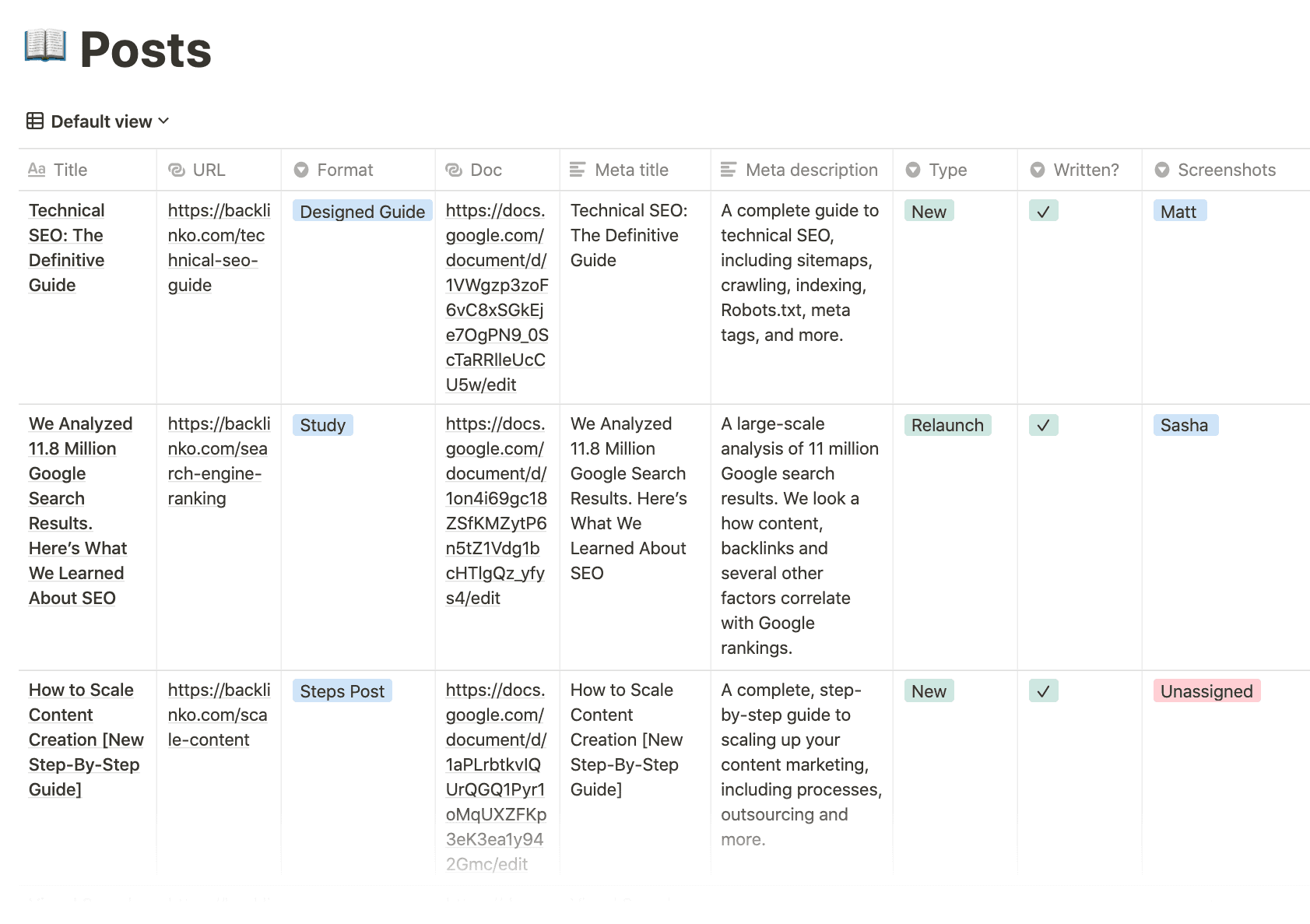
Consistency is one of the most overlooked aspects of SEO content strategy. A content calendar ensures you stay organized and publish regularly.
What to Include in a Content Calendar
- Publishing dates
- Target keywords
- Content topics
- Content formats (blog, video, infographic)
- Assigned writers or teams
Benefits of a Content Calendar
- Maintains consistency
- Aligns content with campaigns and trends
- Prevents content gaps
- Improves team collaboration
Planning Ahead
In 2026, successful brands plan content months in advance while still leaving room for trending topics.
Consistency builds authority, and authority improves rankings.
5. Data-Driven Optimization
The final and most critical component is continuous optimization. A winning content strategy SEO is never “finished”; it evolves based on data.
Key Metrics to Track
- Organic traffic growth
- Bounce rate
- Time on page
- Click-through rate (CTR)
- Conversion rate
What the Data Tells You
- Which content performs best
- Which pages need improvement
- Where users drop off
Optimization Strategies
- Update outdated content
- Improve headlines and meta descriptions.
- Add internal links
- Enhance readability and structure.
A/B Testing
Test different:
- Headlines
- CTAs
- Content formats
Small changes can lead to significant performance improvements.
Bringing It All Together
A winning content strategy SEO is not built on a single tactic; it is the result of combining:
- Deep audience understanding
- Clear business alignment
- Strategic content structure
- Consistent publishing
- Continuous optimization
When these components work together, they create a powerful system that drives traffic, builds authority, and generates results over time.
In 2026, success belongs to those who treat content not as isolated pieces, but as a connected, evolving strategy.
Understanding Search Intent in 2026
Search intent is at the core of SEO for content strategy. In 2026, search engines can interpret not just what users type, but what they truly mean.
Types of Search Intent
- Informational – Users seeking knowledge
- Navigational – Users looking for a specific site
- Transactional – Users ready to buy
- Commercial – Users comparing options
Why Intent Matters?
If your content doesn’t match intent, it won’t rank even if it’s well-optimized.
For example, someone searching “content strategy SEO” likely wants a comprehensive guide, not a sales page.
How to Optimize for Intent?
- Analyze top-ranking pages
- Use question-based headings
- Provide clear, actionable answers.
- Structure content for easy scanning
Matching intent increases dwell time, reduces bounce rates, and boosts rankings.
Keyword Research Evolution and AI Integration
Keyword research in 2026 is smarter and more dynamic. Instead of focusing on single keywords, you must build semantic relevance.

Modern Keyword Strategy
- Focus on topics, not just keywords.
- Use long-tail and conversational phrases.
- Identify user questions
AI Tools for Keyword Research
AI tools can now:
- Predict trending topics
- Analyze competitor gaps
- Suggest content improvements
Keyword Placement Best Practices
- Include keywords naturally
- Use variations and synonyms.
- Optimize headings and subheadings.
A strong keyword strategy ensures your content strategy SEO aligns with how users search today.
Content Creation Best Practices
Creating high-quality content is the heart of any SEO content strategy.
Write for Humans First
Avoid robotic writing. Focus on clarity, storytelling, and value.
Use Engaging Formats
- Lists
- How-to guides
- Case studies
- Visual content
Optimize Readability
- Short paragraphs
- Clear headings
- Bullet points
Add Value
Provide unique insights, examples, and actionable tips.
Maintain Consistency
Consistency builds trust and authority over time.
On-Page SEO Optimization Techniques
On-page SEO ensures your content is properly structured for search engines.
Key Elements
- Title tags with keywords
- Meta descriptions
- Header hierarchy (H1, H2, H3)
- Internal linking
Content Optimization Tips
- Use keyword variations
- Add alt text to images.
- Optimize URLs
Schema Markup
Structured data helps search engines understand your content better and can improve visibility.
Technical SEO and Content Performance
Technical SEO supports your content strategy SEO by ensuring your website is accessible and fast.
Key Areas
- Page speed
- Mobile optimization
- Secure HTTPS
- Crawlability
Core Web Vitals
Focus on:
- Loading speed
- Interactivity
- Visual stability
Technical improvements directly impact rankings and user experience.
Content Distribution and Promotion
Even the best content needs promotion.

Distribution Channels
- Social media
- Email newsletters
- Guest blogging
- Influencer partnerships
Content Repurposing
Turn one piece of content into:
- Videos
- Infographics
- Social posts
This maximizes reach and ROI.
Measuring and Improving Your Strategy
Tracking performance is one of the most critical aspects of a successful SEO content strategy. Without proper measurement, you are essentially operating blindly, publishing content without knowing what works, what doesn’t, and where to improve.
In 2026, data is more accessible and powerful than ever. The brands that win are those that consistently analyze performance and use insights to refine their strategy.
Why Measurement Matters in Content Strategy SEO?
Every piece of content you publish generates valuable data. This data tells a story about your audience:
- What they are interested in
- How they interact with your content
- What drives them to take action
By analyzing this information, you can make smarter decisions, eliminate guesswork, and maximize your ROI.
Key Metrics You Should Track
To truly understand your content performance, you need to focus on the right metrics, not just vanity numbers.
1. Organic Traffic
Organic traffic shows how many visitors are finding your content through search engines.
Why it matters:
- Indicates visibility in search results
- Reflects the effectiveness of your keyword strategy
- Helps identify high-performing topics
What to look for:
- Growth trends over time
- Top-performing pages
- Traffic sources (Google, Bing, etc.)
2. Engagement Rates
Engagement metrics reveal how users interact with your content.
Key indicators:
- Time on page
- Scroll depth
- Bounce rate
Why it matters:
- High engagement means your content matches user intent.
- Low engagement signals poor content quality or a mismatch.
Improving engagement:
- Add visuals and multimedia.
- Improve readability
- Use compelling introductions and hooks.
3. Conversion Rates
Conversions measure how effectively your content drives action.
Examples of conversions:
- Form submissions
- Email sign-ups
- Purchases
Why it matters:
- Shows the business impact of your content
- Connects SEO efforts to revenue
Optimization tips:
- Use strong CTAs
- Align content with user intent.
- Improve landing page design.
4. Keyword Rankings
Tracking keyword rankings helps you understand where your content stands in search results.
Why it matters:
- Measures SEO progress
- Identifies opportunities for improvement
What to monitor:
- Position changes over time.
- New keywords your content ranks for
- Competitor rankings
<h3>Going Beyond Basic Metrics
In 2026, advanced SEO strategies also consider:
- Click-through rate (CTR) from search results
- User journey paths (how users navigate your site)
- Content decay (when rankings drop over time)
These insights help you stay proactive rather than reactive.
Common Mistakes to Avoid
Avoid these common errors:
- Ignoring user intent
- Overusing keywords
- Publishing low-quality content
- Neglecting updates
Consistency and quality are critical for long-term success.
Future Trends in SEO Content Strategy
The future of content strategy SEO will be shaped by:
AI and Automation
AI will continue to enhance content creation and optimization.
Personalization
Content will become more tailored to individual users.
Voice and Visual Search
Optimizing for voice and image-based queries will be essential.
Video Content Growth
Video will play a larger role in SEO strategies.
Staying ahead of these trends will give you a competitive advantage.
Frequently Asked Questions
1. What is content strategy SEO?
Content strategy SEO is the process of planning, creating, optimizing, and managing content to improve search engine rankings and achieve business goals.
2. How often should I update my SEO content strategy?
You should review your strategy quarterly and update content regularly to maintain relevance and performance.
3. What tools are best for content strategy SEO?
Tools like Google Analytics, Ahrefs, SEMrush, and AI platforms help with research, tracking, and optimization.
4. How long does it take to see SEO results?
Most strategies show results within 3–6 months, but long-term consistency yields the best outcomes.
5. Is AI important for content strategy SEO?
Yes, AI helps streamline research, optimize content, and identify opportunities, making it a key component in 2026.
Conclusion and Call to Action
Creating a winning SEO content strategy in 2026 requires more than just publishing blog posts. It demands a strategic, data-driven, and user-focused approach that evolves with technology and search engine advancements.
From understanding search intent to leveraging AI tools, every element of your strategy must work together to deliver value and drive results.
If you’re serious about growing your online presence, increasing traffic, and generating high-quality leads, now is the time to invest in a powerful content strategy SEO.

🚀 Partner with Excell Today
At Excell, we specialize in building high-performing SEO strategies tailored to your business goals. Our team combines data, creativity, and cutting-edge tools to deliver measurable results.
👉 Whether you need content creation, SEO optimization, or a full-scale digital strategy, we’ve got you covered.
Don’t let your competitors outrank you. Take control of your growth with Excell.
EXCELL INDUSTRIES LLC
6420 Richmond Ave., Ste 470
Houston, TX, USA
Phone: +1 832-850-4292
Email: info@excellofficial.com
6420 Richmond Ave., Ste 470
Houston, TX, USA
Phone: +1 832-850-4292
Email: info@excellofficial.com