
Table of Contents:
- What Is a Social Media Search Engine?
- How Are Users Searching Differently Today?
- Why Should Marketers Prioritize Social Search?
- Which Platforms Are Leading the Social Search Revolution?
- How Can You Optimize Content for Social Media Search Engines?
- Case Studies: Brands Winning with Social Search
- Top 5 Questions About Social Media Search Engines
- Social Media Search Engine vs Traditional SEO
- Challenges and Limitations of Social Search
- The Future of Content Marketing Is Social Search
- Call to Action: Start Winning on Social Search with Excel
1. What Is a Social Media Search Engine?
A social media search engine refers to the growing use of social media platforms as tools for intentional discovery. Instead of using Google for everything, users increasingly turn to platforms like TikTok, Instagram, Pinterest, and YouTube to search for specific content. These aren’t just platforms for mindless scrolling they’re now powerful tools for seeking solutions, recommendations, and inspiration.
- Visual-first results: People prefer to see something before reading or buying. A recipe video or hair tutorial is more engaging than a written list.
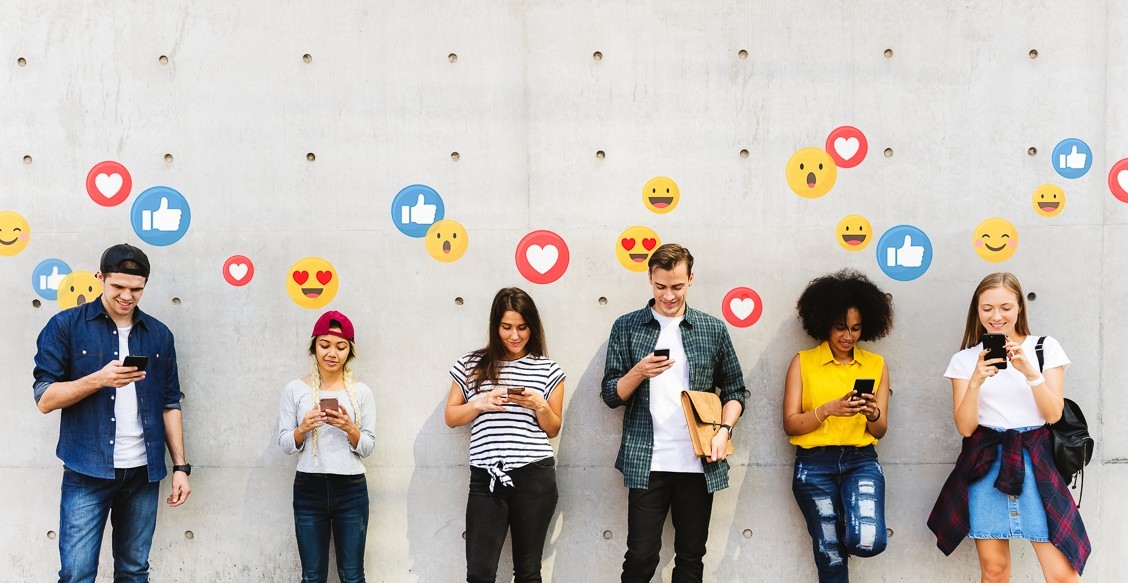
- Social validation: Engagement metrics (likes, shares, comments) are trust signals. Users feel more confident choosing highly engaged content.
- Trending content visibility: Social platforms rank and present what’s popular now, providing real-time relevance.
- Creator-first communities: The rise of niche influencers has made platforms a trusted space to discover and vet new ideas, services, and products.
- In-app convenience: Everything from discovery to decision-making to purchase can happen without leaving the app.
- Intent-based: Unlike passive scrolling, users perform keyword-specific searches, indicating clear goals (e.g., finding a product, solving a problem, or getting inspired).
- Visual-first: Search results prioritize images, videos, and thumbnails, especially short-form vertical video.
- Personalized: Algorithms refine results based on activity, preferences, and demographics.
- Socially validated: High-performing content rises to the top based on views, shares, comments, and saves.
- Trend-driven: Timeliness and virality matter trending audio, memes, or hashtags influence visibility.
- Multi-functional: Users can learn, buy, review, and follow all within a single interface.
- Community-powered: Results often come from real users and creators, making them more authentic and relatable than polished brand content.
2. How Are Users Searching Differently Today?
Search behavior is evolving rapidly, especially among younger demographics. Here’s how users are redefining how and where they look for information:

3. Why Should Marketers Prioritize Social Search?
Content marketers and brand strategists can no longer afford to overlook the power of social media search engines. Here’s why this shift deserves a front-row seat in your marketing strategy:

- What questions is your audience asking
- Which problems need solving
- How users describe your industry or products
4. Which Platforms Are Leading the Social Search Revolution?
- Honest product reviews (especially beauty, wellness, and tech)
- Quick tutorials or how-tos
- Recipes, restaurant recommendations, or travel guides
- Its short-form video format offers real-time engagement, while the algorithm personalizes content instantly, often giving better user-centric results than Google for specific queries.
- Discover local businesses (e.g., “Houston makeup artist”)
- Explore event ideas, brand aesthetics, or fashion trends.
- Learn through short, visual tips or infographics.
- With the introduction of shopping features, location tags, and reel visibility, Instagram is a critical search engine for visually driven industries and e-commerce brands.
- Keyword-specific boards and pins
- “Rich Pins” with embedded metadata for SEO
- Visual search tools that let users scan and search via image
- It’s an intent-driven platform users come here with a goal, making it ideal for brands that solve specific problems or sell lifestyle-based products.
- Deep-dive tutorials (e.g., “how to use ChatGPT for real estate marketing”)
- Product demos and comparisons
- Expert breakdowns or interviews
- With chapters, captions, and AI-generated summaries added, YouTube’s searchability continues improving.

- Searching for advice in specific industries (e.g., “how to scale a law firm”)
- Exploring professional development content
- Finding consultants, services, or niche experts
- It’s the go-to for B2B marketers and anyone looking to establish credibility in a professional space.
5. How Can You Optimize Content for Social Media Search Engines?
- On TikTok, include keywords in captions and on-screen text.
- Add location tags, use alt text on Instagram, and space out keywords in your bio and posts.
- On Pinterest, add detailed pin descriptions and organize boards.
- “How to” videos
- “Top 5 tips” or listicles
- Product reviews and demos
- Tutorials and walkthroughs
- “Save this for later!”
- “Comment if you’ve tried this!”
- “Follow for more tips like this.”
- Which posts got the most saves and shares
- What keywords did people use to find your content
- When your audience is most active
6. Case Studies: Brands Winning with Social Search
- Glossier: Uses TikTok for skincare tutorials that answer common questions.
- Duolingo: Ranks for humorous and educational language videos.
- The Home Edit: Leverages Pinterest to organize tips that double as product promos.
- Notion: Uses YouTube Shorts to educate users on productivity setups.
7. Top 5 Questions About Social Media Search Engines
- TikTok: Raw, fast-paced, often humorous or relatable short videos.
- Instagram: High-quality visuals, Reels with trending audio, strong branding.
- Pinterest: Evergreen, vertical, clickable graphics that serve as visual search results.
- YouTube: Long-form tutorials and educational content with SEO-optimized titles.
- LinkedIn: Professional tone, expert insights, industry-specific language.
8. Social Media Search Engine vs Traditional SEO
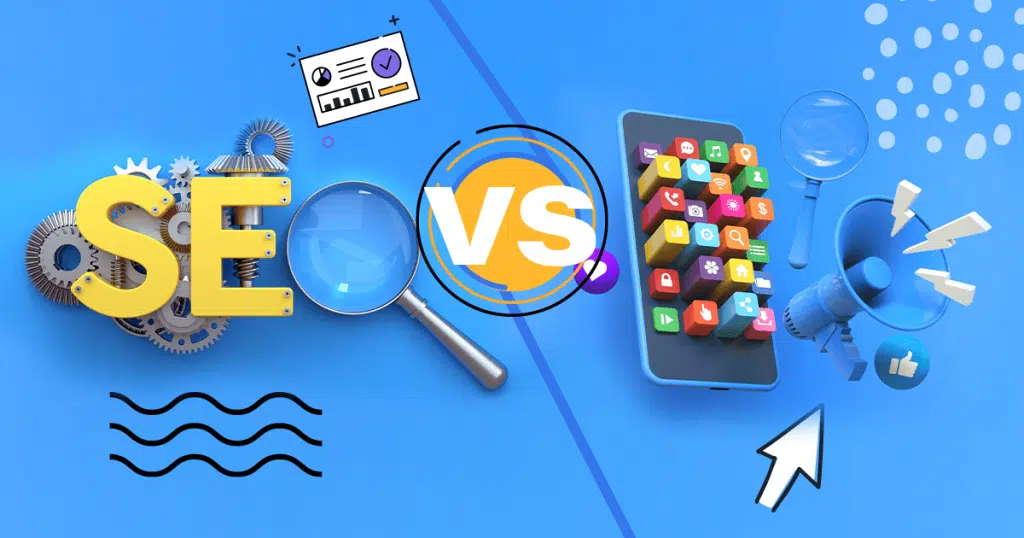
Social media search engines and traditional SEO serve different but complementary roles in the marketing ecosystem.
9. Challenges and Limitations of Social Search
- Algorithm unpredictability
- Short content lifespan
- Misinformation or low-quality results
- Platform changes and feature rollouts
10. The Future of Content Marketing Is Social Search
The explosion of social media search engines is not a passing phase it’s the future of how we discover and consume content online. Users no longer rely solely on traditional search engines to find information. They now turn to platforms like TikTok for tutorials, Instagram for product inspiration, Pinterest for planning, and YouTube for deep dives. This fundamental shift in search behavior is reshaping content marketing.

- Plan content calendars with search intent in mind
- Optimize captions, titles, and thumbnails like metadata
- Prioritize visual formats and storytelling styles native to each platform
- Choose platforms based on audience behavior and industry trends
- Engage with followers to improve reach and algorithmic relevance
- Track performance through saves, shares, and search appearances
- Treat TikTok like Google—answer common questions with engaging short videos
- Treat Instagram like YouTube—create Reels that educate, entertain, and convert
- Treat Pinterest like Amazon—optimize visuals and descriptions for product discovery
- Valuable: It provides real help or insights
- Optimized: It uses keywords, alt text, and trends intentionally
- Authentic: It resonates and builds trust
11. Call to Action: Start Winning on Social Search with Excel
- Identify and target trending search terms in your niche
- Create optimized short-form content that ranks
- Turn views into engagement and engagement into conversions
- Stay ahead of shifting algorithms and platform updates

6420 Richmond Ave., Ste 470
Houston, TX, USA
Phone: +1 832-850-4292
Email: info@excellofficial.com