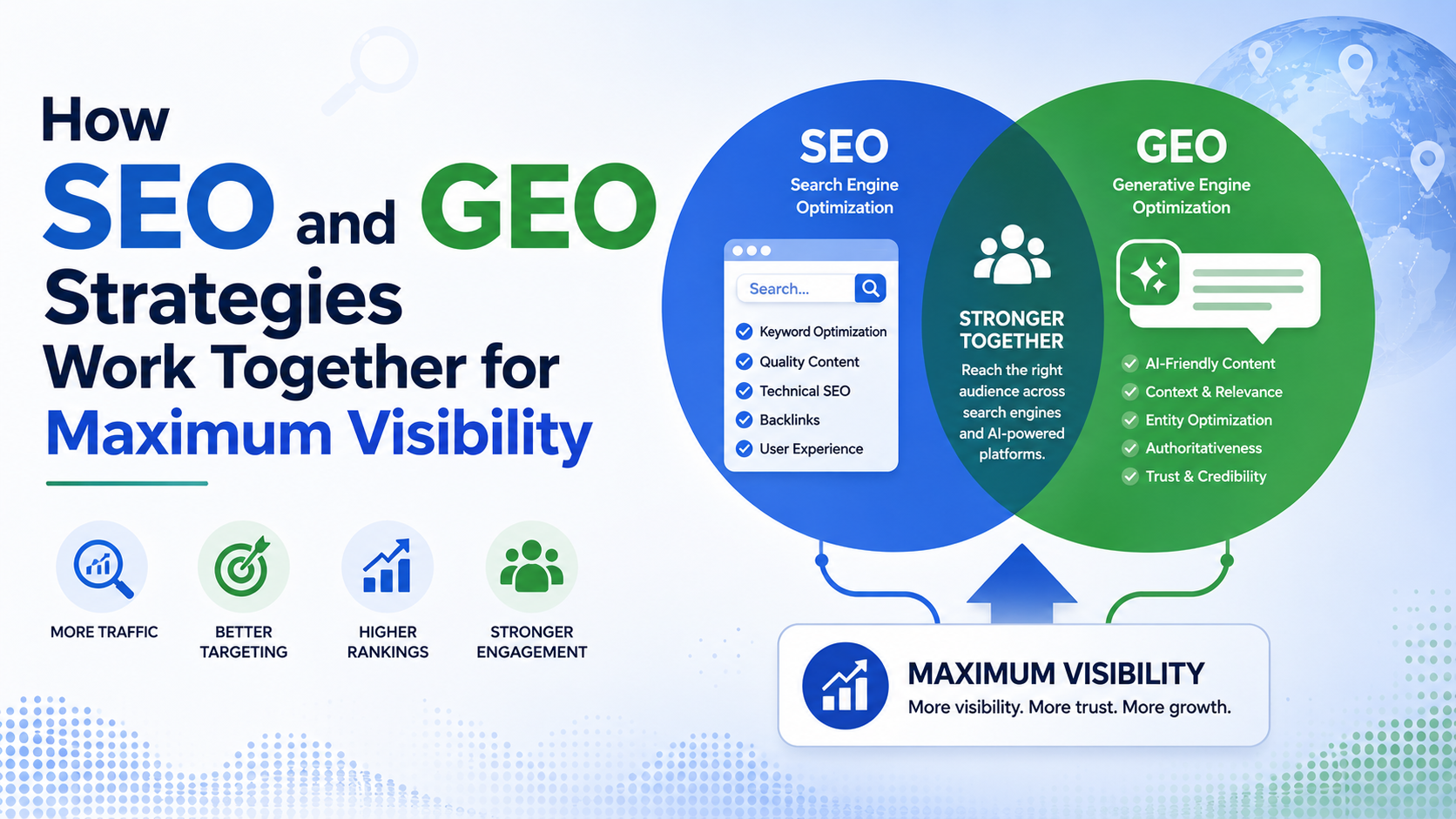

Table of Contents:
- The Rise of AI Overviews in Google Search
- What Is AI Overviews Optimization?
- Why AI Overviews Are Changing SEO Forever
- How Google’s AI Overviews Actually Work
- Search Intent in the Age of AI
- Core Ranking Signals for AI Overviews Optimization
- Content Depth vs. Content Length
- Semantic SEO: The Foundation of AI Visibility
- Entity-Based Optimization and Brand Authority
- EEAT and Trust in AI Search Results
- Content Formatting That AI Prefers
- 5 Essential Questions About AI Overviews Optimization (Answered)
- Technical SEO’s Role in AI Overviews
- Measuring Success in AI-Driven SERPs
- Common AI SEO Mistakes to Avoid
- The Future of AI Overviews Optimization
- Final Takeaways
- Strong Call to Action
1. The Rise of AI Overviews in Google Search
Google AI Overviews represent the most significant transformation in search behavior since mobile-first indexing. It is arguably the most disruptive shift in the history of search engine optimization. Instead of serving as a simple directory of websites, Google now acts as an answer engine, powered by generative artificial intelligence.
With AI Overviews, Google no longer relies only on users clicking through multiple search results to find information. Instead, it uses advanced large language models (LLMs) to analyze, synthesize, and summarize information directly on the search results page. It delivers immediate answers that reflect context, nuance, and intent.
How Google AI Overviews Changed the Search Experience
In traditional search, users were presented with a list of ranked links and expected to evaluate credibility on their own. AI Overviews eliminate much of that friction by presenting a pre-validated, AI-generated response at the top of the page.
- Appear above organic listings, often pushing traditional results below the fold.
- Combine information from multiple trusted sources, rather than relying on a single webpage.
- Answer complex, multi-layered questions conversationally, mimicking human reasoning.
- Reduce friction in the search journey by eliminating unnecessary clicks.
Instead of searching, clicking, scanning, and comparing, users now receive a synthesized answer in seconds.
This is particularly powerful for:
- Educational queries
- Research-based searches
- “How,” “why,” and “what is” questions
- High-intent informational searches
Why AI Overviews Exist: Google’s Strategic Shift
- User Behavior Has Changed
Users expect instant, conversational answers largely influenced by AI tools like ChatGPT. - Information Overload
The web is saturated with repetitive, low-quality content. AI Overviews allow Google to filter noise and surface clarity. - Search Competition Is Increasing
Google must remain competitive against AI-first platforms by delivering answers, not just links.
- Precision over volume
- Trust over keyword manipulation.
- Context over exact-match phrasing
2. What Is AI Overviews Optimization?
- Understood by Google’s AI models
- Selected as a trusted source
- Summarized or cited in AI Overviews
- Positioned as authoritative and accurate
- Answer quality
- Contextual clarity
- Semantic depth
- Trustworthiness
3. Why AI Overviews Are Changing SEO Forever
- Keyword density
- Backlink volume
- Exact-match optimization
- Topic mastery
- Real expertise
- Clear explanations
- Verified credibility
- Thin content loses visibility.
- Generic AI-written articles fail.
- Authority brands gain exponential exposure.
4. How Google’s AI Overviews Actually Work
- The Knowledge Graph
- Semantic indexing
- Entity recognition
- Real-time ranking signals
- Interprets the intent behind the query
- Pulls data from trusted, relevant sources
- Synthesizes a concise, neutral summary
- Cites or references authoritative pages
5. Search Intent in the Age of AI
- Informational intent
- Commercial research intent
- Navigational intent
- Transactional intent
- Match the intent precisely.
- Anticipate follow-up questions
- Provide context, not just facts.
6. Core Ranking Signals for AI Overviews Optimization
Understanding these signals is the foundation of effective AI overview optimization.
Content Accuracy: The Non-Negotiable Foundation
- Presents verifiable, factually correct information
- Avoids speculation, exaggeration, or unsupported claims
- Reflects current standards, data, and best practices
- Uses precise language rather than vague generalities
Semantic Coverage: Depth Over Narrow Optimization
- The main topic
- Related subtopics
- Supporting concepts
- Common follow-up questions
- How AI Overviews work
- How they differ from traditional SERPs
- Ranking factors
- Content strategy implications
- Measurement and performance tracking
Source Credibility: Who Is Saying It Matters
- Brand recognition
- Historical publishing consistency
- External mentions and citations
- Author expertise
- Website trust signals
- Have demonstrated expertise over time
- They are frequently referenced by other authoritative sites.
- Show consistency in their messaging and knowledge.
- Maintain transparent branding and authorship.
Content Structure: How Information Is Presented Matters
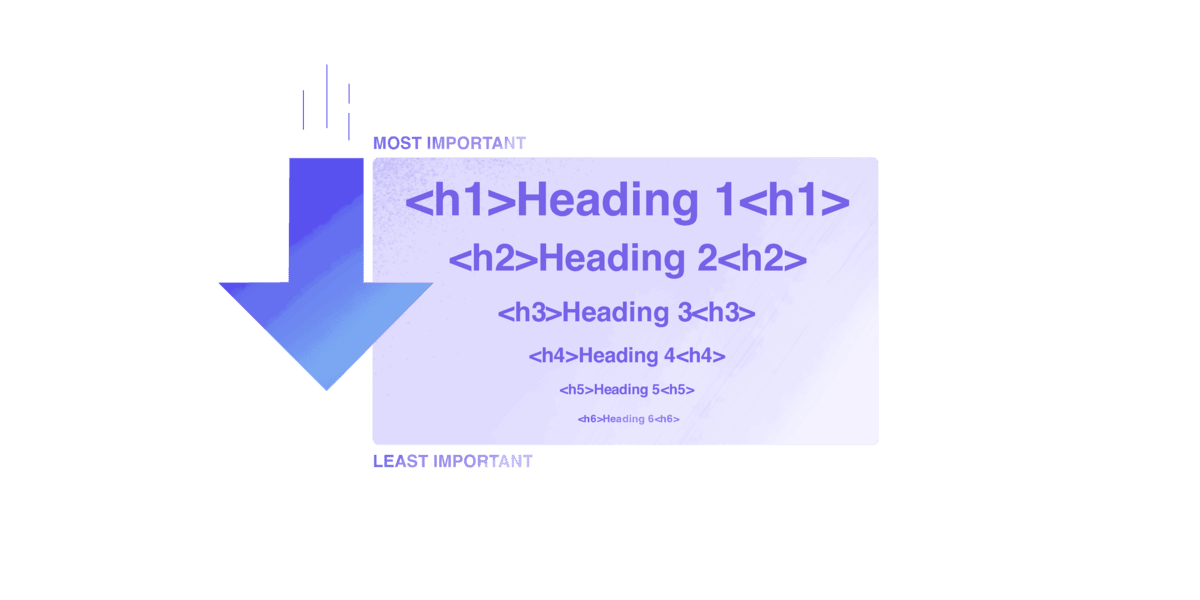
- Descriptive H2 and H3 headings
- Clearly defined sections
- Bullet points and numbered lists
- Short, direct explanations under each heading
- Logical progression from general to specific
Consistency: Alignment With Trusted Sources
- Aligns with widely accepted information
- Uses terminology similarly to trusted sources
- Reflects standard industry understanding
- Avoids contradictory or fringe interpretations
7. Content Depth vs. Content Length
Why Long-Form Content Often Performs Well in AI Overviews
- Coverage of multiple subtopics
- Answers to related and follow-up questions
- Demonstration of topical authority
Depth Is What Signals Expertise to AI
- Explains why something works, not just what it is
- Provides context, implications, and limitations
- Addresses edge cases and variations
- Anticipates user confusion and resolves it
How AI Evaluates Depth Versus Length
- Concept coverage
- Logical progression of ideas
- Semantic relationships between sections
- Relevance of each paragraph to the main topic
Every Section Must Serve a Purpose
- Repeated definitions
- Generic introductions
- Overly broad statements
- Empty transitional paragraphs
- Redundancy
- Semantic dilution
- Lack of informational progression
Depth Builds Topical Authority, Not Just Rankings
- Connecting related ideas
- Covering both core and supporting concepts
- Demonstrating consistency across sections
- Aligning with recognized industry knowledge
8. Semantic SEO: The Foundation of AI Visibility
- AI search results
- Google AI Overviews
- Generative search
- Search Generative Experience
- AI-driven SERPs
9. Entity-Based Optimization and Brand Authority

- Brands
- Authors
- Organizations
- Concepts
- Mention your brand consistently.
- Use clear brand descriptions.
- Publish under real authors.
- Build topical clusters
10. EEAT and Trust in AI Search Results
- Demonstrates firsthand experience
- Shows professional expertise
- Comes from trusted brands
- Avoids misinformation
- Author bios
- Clear company branding
- Transparent sourcing
- Updated timestamps
11. Content Formatting That AI Prefers
- Structured
- Scannable
- Logically organized
- Question-and-answer sections
- Step-by-step explanations
- Bullet lists
- Clear definitions
12. 5 Essential Questions About AI Overviews Optimization (Answered)
AI overviews optimization is the process of making your content easy for Google’s AI to understand, trust, and summarize. It focuses on clarity, accuracy, semantic depth, and authority rather than just rankings.
Question 2: How does AI overview optimization differ from featured snippet optimization?
Featured snippets pull content from a single page. AI Overviews synthesize information from multiple sources. That means your content must be both strong on its own and contextually aligned with trusted data across the web.
Question 3: Does AI overview optimization require AI-generated content?
No, and relying solely on AI-generated content can hurt you. Google’s AI favors human expertise, original insights, and real-world experience. AI tools should assist, not replace, expert content creation.
Question 4: Can AI Overviews hurt organic traffic?
Yes, if your content offers little value beyond basic answers. High-quality, authoritative content still earns clicks because users want deeper explanations, examples, and professional services.
Question 5: Is AI overview optimization worth investing in now?
Absolutely. AI Overviews are expanding rapidly. Brands that adapt early gain long-term visibility, while late adopters struggle to regain lost ground.
13. Technical SEO’s Role in AI Overviews
- Fast load speed
- Mobile responsiveness
- Clean HTML
- Proper indexing
- Schema markup
14. Measuring Success in AI-Driven SERPs
- Brand mentions in AI summaries.
- AI citation frequency
- Query-level visibility
- Engagement quality
- Conversion paths
15. Common AI SEO Mistakes to Avoid
- Publishing shallow AI-written content
- Ignoring brand authority
- Over-optimizing keywords
- Neglecting updates
- Focusing only on rankings
16. The Future of AI Overviews Optimization
- Personalized AI search
- Fewer organic results
- Higher trust thresholds
- Greater competition for authority
17. Final Takeaways
- Answer better
- Explain clearer
- Build trust faster
- Think semantically
🚀 Strong Call to Action
- Appear in Google AI Overviews
- Increase trust and visibility.
- Convert AI exposure into real revenue.
- Future-proof their digital presence

Contact us:
6420 Richmond Ave., Ste 470
Houston, TX, USA
Phone: +1 832-850-4292
Email: info@excellofficial.com