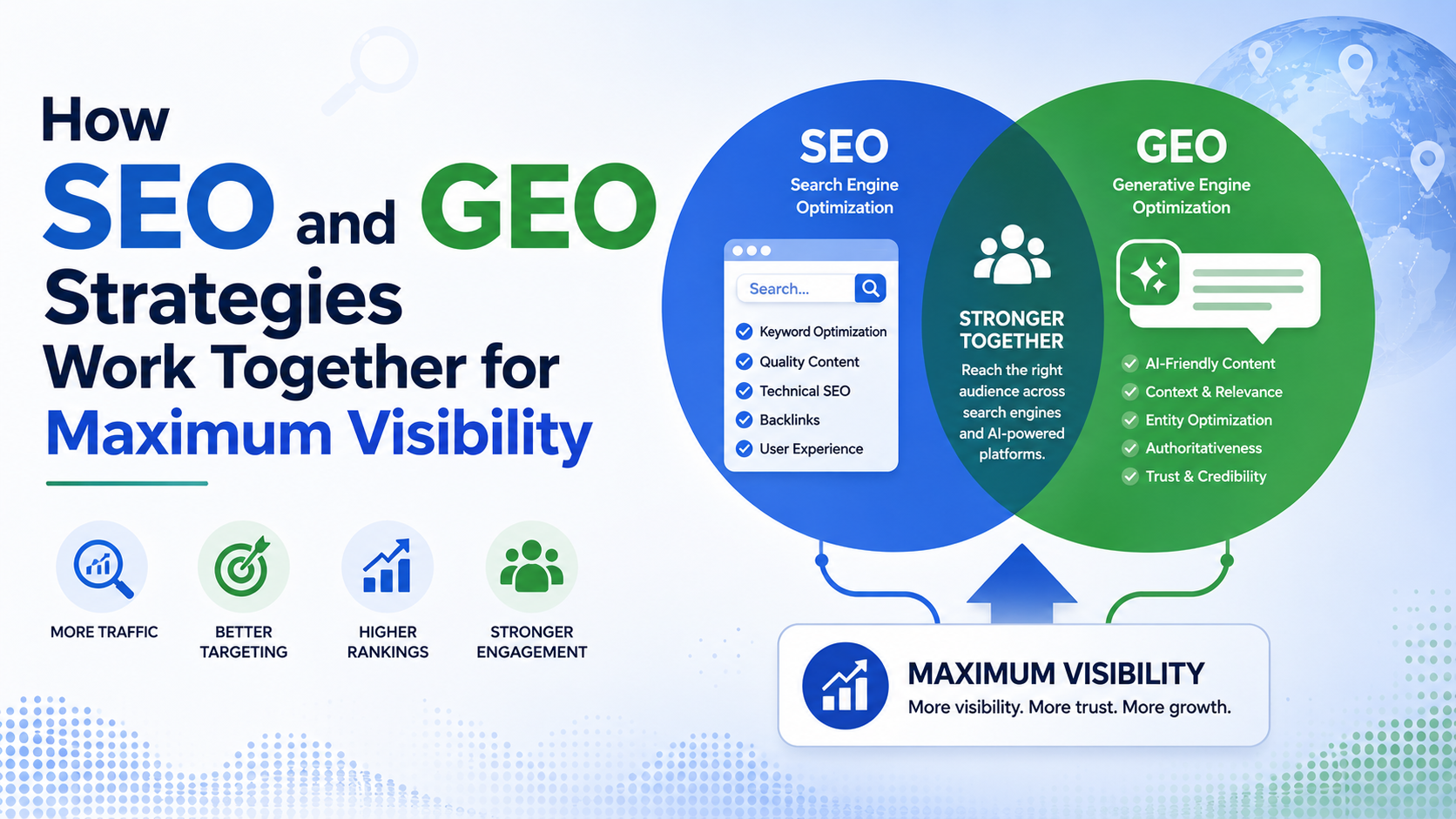

In today’s competitive digital landscape, service area business SEO is no longer optional; it’s essential. Whether you’re a personal injury law firm, restoration company, HVAC contractor, marketing agency, or mobile service provider, your potential customers are searching online. If your business doesn’t appear in local search results, your competitors will win those leads.
This comprehensive guide will walk you through everything you need to know to optimize your service-area business for local visibility, higher rankings, and consistent lead generation.
Table of Contents:
- What Is Service Area Business SEO?
- Why Service Area Business SEO Matters More Than Ever?
- How Service Area Businesses Differ from Brick-and-Mortar Locations?
- Google Business Profile Optimization for Service Areas
- On-Page SEO Strategies for Service Area Businesses
- Creating Location Pages That Actually Rank
- Content Marketing for Service Area Businesses
- Effective Content Types for Service Area Businesses
- Technical SEO Essentials
- Local Link Building and Authority Signals
- Reviews, Reputation & Trust Signals
- Common Service Area Business SEO Mistakes
- Measuring SEO Success for Service Area Businesses
- 5 Key Questions About Service Area Business SEO (Answered)
- Final Thoughts: Dominate Your Service Areas
What Is Service Area Business SEO?
Service area business SEO refers to the strategic optimization of businesses that travel to their customers rather than serving them at a fixed storefront location. Instead of relying on walk-in traffic, these businesses generate leads from online searches within specific cities, counties, or regions they serve.
Because they may not have a physical office in every target city, their SEO strategy must focus on:
- Multi-location visibility
- Geo-targeted content
- Google Business Profile service area optimization
- Local authority building
To clarify these concepts, let’s look at some real-world examples.
Examples of Service Area Businesses
1. Personal Injury Law Firms
Personal injury law firms often serve clients across multiple cities or even entire states. While they may have one primary office, they typically represent clients wherever accidents occur.
For example:
- A law firm located in Los Angeles may represent clients in Pasadena, Glendale, Long Beach, and other surrounding cities.
- Clients rarely “walk in”; most find attorneys through online searches after an accident.
Why do they need service area business SEO?
- They must rank for searches like “car accident lawyer in Pasadena” even without having an office there.
- They need optimized city pages and strong local relevance signals.
- Google Business Profile optimization is critical for visibility in Maps results.
2. Plumbers
Plumbers are classic service area businesses. They travel to homes and businesses to fix issues such as leaks, clogged drains, or water heater problems.
Key characteristics:
- Emergency-based services
- Wide coverage areas
- High competition in local search
Why service area business SEO matters:
- Homeowners search “emergency plumber near me” or “plumber in [city].”
- Ranking in multiple cities dramatically increases call volume.
- Local reviews mentioning specific neighborhoods improve visibility.
Without strong SEO, plumbers lose urgent leads to competitors who dominate local search.
3. HVAC Technicians
HVAC technicians install, maintain, and repair heating and cooling systems. Like plumbers, they travel to clients.
Important factors:
- Seasonal demand spikes
- High-value service jobs
- Large service radiuses
Why do they need service area business SEO?
- Customers search for “AC repair in [city]” or “furnace installation near me.”
- They must rank in multiple surrounding cities, not just in the city where their office is located.
- City-specific landing pages help capture seasonal search traffic.
Strong SEO ensures HVAC companies stay visible year-round.
4. Restoration Companies
Restoration companies handle fire, water, mold, and storm damage. These businesses operate across large regions, especially during emergencies.
Key characteristics:
- Disaster-response services
- High urgency calls
- Multi-city coverage
- People search quickly after property damage.
- Rankings must be strong in multiple cities and counties.
- Visibility in Google’s Local 3-Pack drives immediate inbound calls.
Because restoration jobs are high-ticket services, ranking well in service areas can dramatically increase revenue.
5. Digital Marketing Agencies
Digital marketing agencies often serve clients in multiple cities, states, or even nationally without needing a physical office in every location.
Why they qualify as service area businesses:
- Services are delivered remotely.
- Clients rarely visit a physical office.
- Agencies compete in multiple geographic markets.
Why service area business SEO helps:
- Agencies can rank for “SEO agency in [city]” regardless of location.
- City-specific pages increase local authority.
- Content targeting regional industries improves search visibility.
A well-structured SEO strategy allows agencies to scale geographically without opening new offices.
6. Mobile Repair Services
Mobile repair businesses travel to customers to fix phones, vehicles, appliances, or electronics on-site.
Examples include:
- Mobile auto mechanics
- On-site phone screen repair
- Appliance repair technicians
Why do they depend on service area business SEO?
- Customers search locally when something breaks.
- Immediate visibility influences booking decisions.
- Reviews mentioning neighborhoods improve local ranking signals.
Mobile services succeed when they dominate city searches.
7. Landscaping Companies
Landscaping companies provide lawn care, design, irrigation, and maintenance services across neighborhoods and cities.
Characteristics:
- Recurring service contracts
- Strong neighborhood-based marketing
- Competitive local market
Why service area business SEO matters:
- Homeowners search “landscaping company in [city].”
- Ranking in nearby neighborhoods expands market share.
- Location-specific service pages help attract high-value contracts.
By targeting multiple cities and communities, landscaping businesses increase recurring revenue streams.
Why Service Area Business SEO Matters More Than Ever?

Search behavior has shifted dramatically. Consumers now search using phrases like:
- “personal injury lawyer near me”
- “emergency plumber in [city]”
- “marketing agency in [county]”
- “fire damage restoration [location]”
Google prioritizes local intent searches. If your website and Google Business Profile are not optimized properly, you won’t appear in:
- Google Maps results
- Local 3-Pack listings
- Organic city-based searches
- “Near me” searches
For service area businesses, SEO directly impacts:
- Lead volume
- Cost per acquisition
- Brand credibility
- Long-term marketing ROI
Service-area business SEO builds authority and sustainable traffic without ongoing ad spend.
How Service Area Businesses Differ from Brick-and-Mortar Locations?
Understanding this difference is critical.
Brick-and-Mortar Businesses:
- Customers visit a physical location.
- Clear address-based ranking signals
- Localized to a specific neighborhood
Service Area Businesses:
- Travel to customer locations
- May hide physical address
- Target multiple cities or counties
- Compete across wider geographic areas.
Because of this, service area business SEO requires:
- Strategic location targeting
- Content clustering
- Geo-optimized landing pages
- Structured data implementation
- Smart internal linking
Google Business Profile Optimization for Service Areas
Your Google Business Profile (GBP) is one of the most powerful ranking assets in service area business SEO.
Key Optimization Steps:
1. Define Service Areas Properly
Instead of relying solely on radius, list specific cities and zip codes you serve.
2. Optimize Business Description
Naturally incorporate:
- Primary services
- Core cities
- The keyword “service area business SEO” (if applicable to your niche)
3. Add Categories Strategically
Primary category matters most. Secondary categories help expand visibility.
4. Upload Geo-Relevant Images
- Job site photos
- Before/after images
- Branded vehicles in service areas
5. Encourage Reviews from Multiple Cities
When clients mention their city in reviews, it strengthens geo-relevance.
On-Page SEO Strategies for Service Area Businesses
On-page optimization is the backbone of service-area business SEO.
1. Keyword Targeting Structure
Your website should target:
- Primary keyword (e.g., service area business SEO)
- Service-based keywords
- City-specific variations
- Long-tail local keywords
Example:
- service area business SEO
- local SEO for service businesses
- SEO for service companies in [city]
- multi-city SEO strategy
2. Optimize Core Pages
Each service page should include:
- City modifiers
- Clear service descriptions
- FAQs
- Internal links
- Schema markup
- Calls to action
3. Title Tags & Meta Descriptions
Example optimized title:
- Service Area Business SEO | Boost Multi-City Local Rankings | Excell
Meta description example:
- Ready to grow your local visibility? Contact Excell now to dominate city searches, attract more clients, and outpace the competition.
Creating Location Pages That Actually Rank
One of the most powerful tactics in service area business SEO is building optimized location pages.
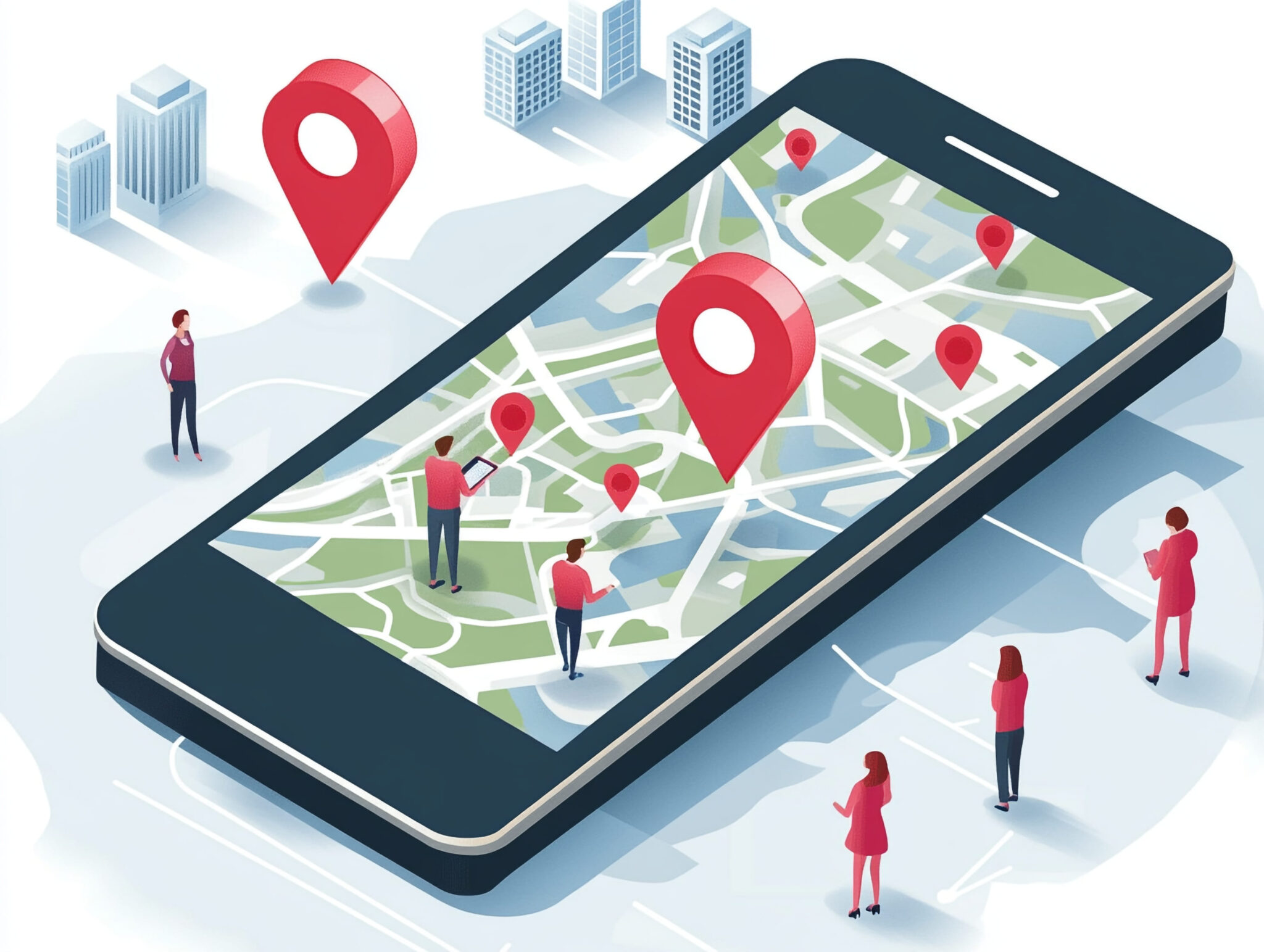
But avoid thin, duplicate content.
Instead:
- Write 800–1,200+ words per city page.
- Include city-specific content
- Mention landmarks and neighborhoods.
- Add localized testimonials
- Embed maps
- Include structured data
Example structure:
- Intro to services in [City]
- Why residents trust you
- Common local problems
- Case study in that city
- FAQs specific to the city
- Strong call to action
Content Marketing for Service Area Businesses
Content marketing is one of the most powerful drivers of long-term success in service area business SEO. While technical optimization and Google Business Profile setup create the foundation, content is what builds authority, trust, and geo-relevance at scale.
For service area businesses that operate across multiple cities without a storefront in each location, content becomes the primary tool for signaling relevance to search engines. It helps Google understand:
- What services do you offer?
- Which geographic areas do you serve?
- Why your business is trustworthy
- How do you compare to competitors?
- What problems do you solve locally?
When done strategically, content marketing allows service businesses to rank in multiple cities, capture high-intent traffic, and convert visitors into qualified leads.
Let’s break this down in detail.
Why Content Marketing Matters for Service Area Business SEO
Service area businesses face a unique challenge:
They must rank in multiple cities without relying solely on physical proximity signals.
Google’s algorithm evaluates three core local ranking factors:
- Relevance
- Distance
- Prominence
While you cannot always control distance (especially without a physical office), you can significantly influence relevance and prominence, and that’s where content marketing becomes critical.
High-quality content:
- Establishes topical authority in your industry
- Strengthens city-based relevance signals
- Improves keyword coverage
- Increases dwell time and engagement.
- Earns backlinks naturally
- Supports internal linking structures
Content is not just blog posts. It includes:
- Service pages
- Location pages
- Guides
- FAQs
- Case studies
- Resource hubs
- Educational articles
When structured properly, content creates a powerful SEO ecosystem that enables your service-area business to dominate multiple geographic markets.
Effective Content Types for Service Area Businesses
Below are the most effective content formats that support strong service area business SEO performance.
1. “How to Choose a [Service] in [City].”
What This Content Does
This type of article captures high-intent local searchers who are actively looking for a provider.
Examples:
- How to Choose a Personal Injury Lawyer in Dallas
- How to Choose a Plumber in Phoenix
- How to Choose an HVAC Contractor in Tampa
These searches typically come from people ready to hire.
Why It Works for Service Area Business SEO
This format:
- Targets city-specific keywords
- Establishes authority and expertise
- Builds trust before the sales pitch
- Naturally includes service-related keywords.
Google sees clear geo-relevance when you:
- Mention neighborhoods
- Reference local regulations
- Discuss city-specific concerns
- Include local testimonials
How to Structure It
- Introduction to the importance of choosing correctly
- Key criteria (experience, licensing, reviews, response time, etc.)
- City-specific considerations
- Red flags to avoid
- Call to action
When created for multiple cities (with unique content for each), this strategy builds strong multi-city authority.
2. “Common [Industry] Problems in [Region].”
What This Content Does
This format positions your business as the local expert who understands regional challenges.
Examples:
- Common Plumbing Problems in Houston Homes
- Common HVAC Issues in Florida’s Humid Climate
- Common Property Damage Issues After California Wildfires
Why It Supports Service Area Business SEO
This content:
- Demonstrates localized knowledge
- Uses geo-modified keywords naturally
- Connects to local search behavior
- Builds trust with local audiences
Google values content that clearly serves users in a specific region.
For example, discussing humidity-related HVAC issues in Florida shows regional expertise that generic content cannot provide.
How to Expand It
Include:
- Climate-specific problems
- Local building regulations
- Seasonal challenges
- Real-world examples
- Prevention tips
This type of article often ranks well for long-tail searches.
3. Case Studies by Location
Case studies are among the most powerful yet underutilized content types for service-area business SEO.
Why Case Studies Work
They:
- Prove real results
- Increase credibility
- Provide unique, non-duplicate content.
- Naturally, include city names.
- Support conversion optimization
Example titles:
- Water Damage Restoration Project in San Diego
- SEO Results for a Service Business in Austin
- Landscaping Transformation in Scottsdale
SEO Benefits
Each case study:
- Strengthens city-level relevance
- Provides internal linking opportunities
- Encourages longer dwell time
- Builds authority
When optimized correctly, case studies can rank independently for city-based keywords.
4. City-Based Guides
City-based guides create deep geographic relevance.
Examples:
- Complete Guide to Hiring a Roofing Contractor in Denver
- Homeowner’s Guide to Mold Prevention in Miami
- Business Owner’s Guide to Service Area Business SEO in Chicago
Why These Guides Are Powerful
They:
- Provide comprehensive information
- Cover multiple related keywords.
- Support internal linking clusters.
- Attract backlinks
A well-written city guide of 1,500–3,000 words can:
- Rank for dozens of long-tail keywords
- Strengthen your entire website’s authority.
- Serve as a pillar page for that location.
These guides also allow you to discuss:
- Local laws
- Permitting requirements
- Climate considerations
- Neighborhood differences
This level of specificity enhances search visibility.
5. Comparison Articles
Comparison content targets decision-stage searchers.
Examples:
- Independent Plumber vs Franchise Plumbing Company in Atlanta
- DIY Mold Removal vs Professional Restoration in Orlando
- Local SEO vs Paid Ads for Service Area Businesses
Why It’s Effective
Comparison articles:
- Capture high-conversion traffic
- Address objections
- Demonstrate expertise
- Improve time-on-page
They help users evaluate options and often guide them toward choosing you.
Technical SEO Essentials
Without technical optimization, your content won’t rank effectively.
Key Technical Factors:
- Mobile responsiveness
- Fast loading speeds
- SSL security
- Clean URL structures
- XML sitemap
- Schema markup (LocalBusiness)
- Proper canonical tags
Service area business SEO relies heavily on clean architecture and proper indexing.
Local Link Building and Authority Signals
Backlinks remain a major ranking factor.
Effective Local Link Sources:
- Local directories
- Chamber of Commerce
- Sponsorships
- Local blogs
- Industry partnerships
- Local press releases
When targeting multiple cities, you should diversify backlinks across those geographic markets.
Reviews, Reputation & Trust Signals
Reviews influence both rankings and conversions.

Encourage customers to:
- Mention the city served
- Describe the service provided
- Share detailed experiences
Also display:
- Trust badges
- Certifications
- Case studies
- Client testimonials
- Before-and-after results
Trust fuels conversions, and conversions fuel SEO performance.
Common Service Area Business SEO Mistakes
Avoid these common errors:
- Duplicate city pages
- Thin content (under 300 words)
- Keyword stuffing
- No internal linking strategy
- Not optimizing Google Business Profile
- Ignoring technical SEO
- Relying only on paid ads
Service area business SEO requires a structured, strategic approach, not shortcuts.
Measuring SEO Success for Service Area Businesses
Track:
- Organic traffic by city
- Keyword rankings
- Google Business Profile insights
- Conversion rates
- Call tracking
- Form submissions
- Cost per lead
Use tools like:
- Google Analytics
- Google Search Console
- Rank tracking software
- Heatmaps
The goal is not just traffic, it’s qualified leads.
5 Key Questions About Service Area Business SEO (Answered)
1. What is service area business SEO, and how is it different from traditional local SEO?
Service area business SEO focuses on optimizing businesses that travel to customers rather than serving them at a storefront. Unlike traditional local SEO, it emphasizes multi-city targeting, geo-optimized landing pages, and Google Business Profile service area settings, rather than relying solely on a physical address.
2. Can a service area business rank in multiple cities without a physical office?
Yes, with proper location pages, internal linking, local backlinks, optimized Google Business Profile settings, and high-quality localized content. Google prioritizes relevance and authority over just physical proximity.
3. How long does service area business SEO take to show results?
Typically, noticeable improvements occur within 3–6 months. Competitive markets may take 6–12 months. SEO is a long-term strategy, but it provides sustainable ROI compared to paid ads.
4. Do service area businesses need separate pages for each city?
Yes, but each page must contain unique, high-value content. Avoid duplicating templates across cities. Each location page should provide localized insights, testimonials, and service relevance.
5. Is Google Business Profile important for service area business SEO?
Absolutely. Even if you hide your address, optimizing your Google Business Profile with accurate service areas, reviews, categories, and content significantly impacts local visibility.
Advanced Strategies for Scaling Service Area Business SEO
If you want to dominate multiple cities, consider:
- City content clusters
- Hyperlocal blog content
- Geo-targeted backlinks
- Multi-location schema
- Internal link silos by region
- Data-driven expansion strategy
Scaling requires strategy, not guesswork.
The Long-Term Power of Service Area Business SEO
Paid ads stop when you stop paying.
SEO builds equity.
Over time, optimized service area business SEO:
- Reduces cost per lead
- Builds brand authority
- Expands market share
- Improves conversion rates
- Outranks competitors permanently
Businesses that invest early gain massive advantages.
Final Thoughts: Dominate Your Service Areas
If you’re serious about growing your business, increasing qualified leads, and dominating multiple cities, you need a proven strategy.
At Excell, we specialize in advanced service area business SEO strategies designed to:
- Rank you in multiple cities.
- Optimize your Google Business Profile
- Build high-authority backlinks
- Create powerful location pages.
- Increase organic leads consistently.
- Reduce reliance on paid ads.
We don’t offer generic SEO.
We build scalable, revenue-driven growth systems tailored to service businesses.

If you want to dominate your niche, earn high-value backlinks, and turn organic traffic into measurable revenue, it’s time to invest in authoritative content that works long-term.
Don’t settle for average rankings.
Partner with Excell today and start building content that positions your brand as the authority your industry trusts.
EXCELL INDUSTRIES LLC
6420 Richmond Ave., Ste 470
Houston, TX, USA
Phone: +1 832-850-4292
Email: info@excellofficial.com
6420 Richmond Ave., Ste 470
Houston, TX, USA
Phone: +1 832-850-4292
Email: info@excellofficial.com