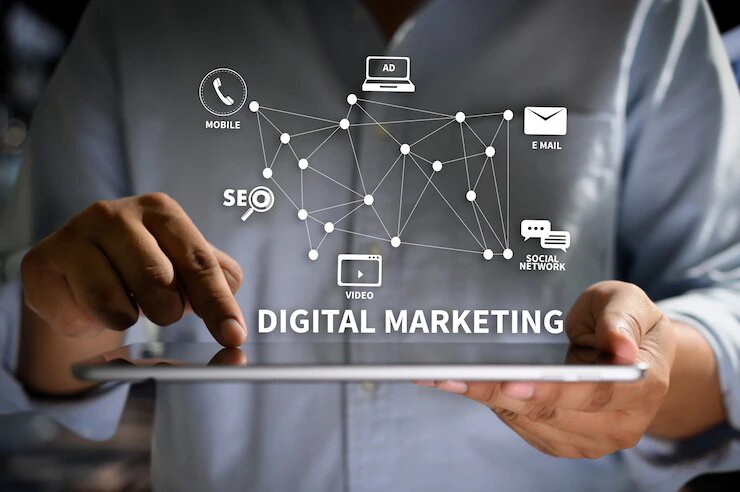
In today’s hyper-connected world, digital marketing is key to business success. Whether you’re a startup or an enterprise, your online presence is crucial. So, what does a digital marketer do, and why is this role important?
This guide covers core responsibilities, practical strategies, key tools, skills, and career paths.
📑 Table of Contents:
- What Is Digital Marketing?
- What Does a Digital Marketer Do? (Complete Overview)
- Core Responsibilities Explained in Detail
- The Different Types of Digital Marketing
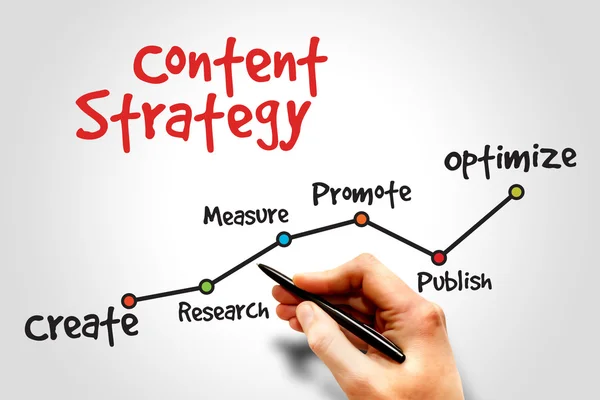
- How Digital Marketers Build Strategies
- Essential Skills for Digital Marketers
- Tools Every Digital Marketer Uses
- A Realistic Day in the Life of a Digital Marketer
- How Digital Marketing Drives Business Growth
- Metrics That Matter in Digital Marketing
- Challenges Digital Marketers Face
- 5 Frequently Asked Questions About Digital Marketing
- Final Thoughts + Strong Call to Action
What Is Digital Marketing?
Digital marketing is the practice of promoting products or services using digital channels such as search engines, social media, websites, email, and online ads.
Unlike traditional marketing, digital marketing allows businesses to:
🎯 Target Specific Audiences
One of the biggest advantages of digital marketing is precision targeting.
Instead of advertising to a broad, general audience (like TV or billboards), digital marketing allows businesses to reach exactly the right people based on:
- Demographics (age, gender, income level)
- Location (country, city, or even a specific radius)
- Interests (fitness, technology, fashion, etc.)
- Behavior (past purchases, website visits, search history)
👉 Example:
If you own a fitness coaching business, you can target ads specifically to people who:
If you own a fitness coaching business, you can target ads specifically to people who:
- Recently searched for “weight loss tips.”
- Follow fitness influencers
- Live in your city
This level of targeting spends your budget on those more likely to become customers, not just random viewers.
📊 Measure Performance in Real Time
Traditional marketing makes it hard to measure impact. Digital marketing uses real-time data.
Digital marketers can instantly see:
- How many people clicked on an ad
- How long visitors stayed on a website
- Which content generated leads or sales
- Which campaigns are profitable
👉 Example:
If you launch a Google Ads campaign today, you can check within hours:
If you launch a Google Ads campaign today, you can check within hours:
- Number of clicks
- Cost per click (CPC)
- Conversion rate
This helps businesses make data-driven decisions rather than guess.
⚡ Adjust Campaigns Instantly
With traditional marketing, changing a launched campaign is costly and difficult.
With digital marketing, campaigns are flexible and editable in real time.
You can:
- Change ad copy or images.
- Adjust targeting
- Increase or decrease the budget.
- Pause underperforming campaigns
👉 Example:
If one Facebook ad isn’t performing well, a digital marketer can:
If one Facebook ad isn’t performing well, a digital marketer can:
- Replace the image
- Rewrite the headline
- Test a new audience
All of this can be done within minutes, helping improve results quickly.
💰 Achieve Better ROI (Return on Investment)
ROI refers to the profit you make relative to what you spend.
Digital marketing often delivers higher ROI because:
- You target the right audience.
- You track performance accurately.
- You optimize campaigns continuously.
👉 Example:
Instead of spending $5,000 on a billboard with no clear results, you could:
Instead of spending $5,000 on a billboard with no clear results, you could:
- Spend $500 on targeted ads.
- Track every lead and sale.
- Scale what works
This lets businesses maximize results and minimize wasted budget.
What Does a Digital Marketer Do? (Complete Overview)
To truly understand what a digital marketer does, you need to look beyond surface-level tasks like posting on social media or running ads. The role is much more strategic and results-driven.
A digital marketer is responsible for guiding potential customers through the entire online journey, from the moment they discover a brand to when they become loyal customers.
Let’s break down each core responsibility in detail:
🔍 Attracting Potential Customers Online
A digital marketer’s first job is to bring people into a business online.
This involves increasing visibility across multiple channels, such as:
- Search engines (Google, Bing)
- Social media platforms
- Paid advertisements
- Content platforms like blogs or YouTube
Digital marketers use strategies like:
- SEO (ranking for keywords like “what does a digital marketer do”)
- Paid ads (Google Ads, Facebook Ads)
- Social media campaigns
- Content marketing
👉 The goal: Ultimately, attracting the right people increases the chance of your brand being chosen when they need a solution.
Example:
If someone searches “best digital marketing agency,” a digital marketer ensures their company appears in those results either organically or through ads.
If someone searches “best digital marketing agency,” a digital marketer ensures their company appears in those results either organically or through ads.
💬 Engaging Audiences with Valuable Content
Attracting attention is only the start. Next comes engagement.
Digital marketers create content that:
- Educates
- Entertains
- Solves problems
- Builds trust
This content can include:
- Blog articles
- Videos
- Social media posts
- Email newsletters
- Guides and eBooks
👉 Why this matters:
People don’t buy immediately; they first need to trust your brand.
People don’t buy immediately; they first need to trust your brand.
Engagement helps:
- Keep users on your website longer.
- Encourage interaction (likes, comments, shares)
- Build authority in your niche.
Example:
A user might read a blog post explaining digital marketing, follow your social media page, and subscribe to your email list, all before making a purchase.
A user might read a blog post explaining digital marketing, follow your social media page, and subscribe to your email list, all before making a purchase.
💡 Converting Visitors into Leads or Buyers
Once you have attention and engagement, the next step is conversion. This is where real business growth happens.
Digital marketers design strategies to turn visitors into:
- Leads (email sign-ups, inquiries)
- Customers (actual purchases)
This involves:
- Creating high-converting landing pages
- Writing persuasive copy (calls-to-action)
- Optimizing user experience (UX)
- Running retargeting campaigns
Key focus: Remove friction and make it easy for users to act.
Example:
A digital marketer might:
A digital marketer might:
- Offer a free consultation form
- Create a limited-time discount.
- Use retargeting ads to bring back visitors.
Each tactic improves your chances of converting visitors to leads or buyers.
🔁 Retaining Customers Through Ongoing Communication
Many people think digital marketing stops after a sale, but that’s not true.
A major part of a digital marketer’s work is customer retention.
It’s often cheaper and more profitable to keep existing customers than to acquire new ones.
Digital marketers use:
- Email marketing campaigns
- Loyalty programs
- Personalized offers
- Social media engagement
👉 The goal:
Turn one-time buyers into repeat customers and brand advocates.
Turn one-time buyers into repeat customers and brand advocates.
Example:
After a purchase, a customer might receive:
After a purchase, a customer might receive:
- A thank-you email
- Product recommendations
- Exclusive offers
This keeps your brand memorable and motivates future purchases.
🎯 Why Strategy Matters More Than Posting
One of the biggest misconceptions is that digital marketers simply “post content” or “run ads.”
In reality, all digital marketing actions are strategic and data-based.
Before launching any campaign, a digital marketer considers:
- Who is the target audience?
- What problem are we solving?
- Which platform is best?
- What message will resonate?
- How will success be measured?
Every action is tied to a specific business goal, such as:
- Increasing website traffic
- Generating leads
- Boosting sales
- Improving brand awareness
👉 Nothing is random; everything is planned, tested, and optimized.
📊 Turning Attention into Measurable Results
The most important part of understanding what a digital marketer does is this:
They don’t just create activity, they create results.
Digital marketers track:
- Clicks
- Conversions
- Revenue
- Customer acquisition cost
- Return on investment (ROI)
This allows businesses to clearly see:
- What’s working
- What’s not
- Where to scale
Example:
If one campaign generates 50 leads at a low cost, the marketer can increase the budget to generate even more.
If one campaign generates 50 leads at a low cost, the marketer can increase the budget to generate even more.
Core Responsibilities Explained in Detail
Let’s look at the real work involved in the role.
1. Search Engine Optimization (SEO)
SEO is one of the most important aspects of digital marketing.
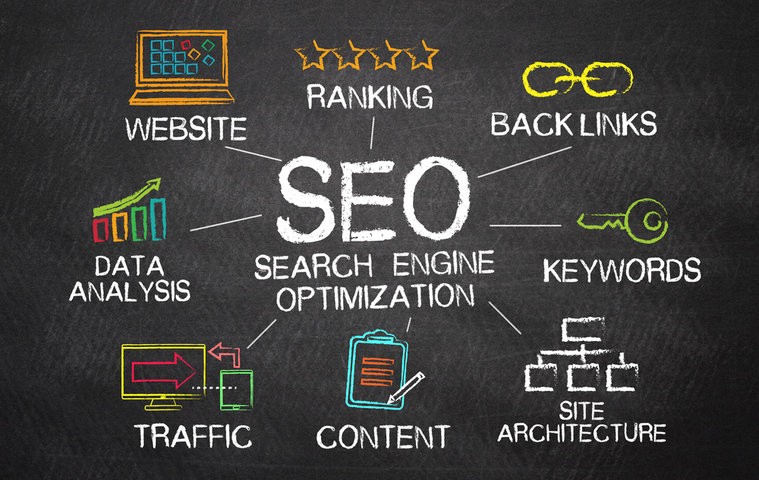
A digital marketer:
- Research keywords (like what does a digital marketer do)
- Optimizes website content
- Builds backlinks
- Improves technical performance (speed, mobile usability)
The goal is to rank higher on Google and drive organic traffic.
2. Content Creation and Strategy
Content is the foundation of digital marketing.
Digital marketers create:
- Blog posts
- Landing pages
- Videos
- Social media content
- Email campaigns
But it’s not just about creating, it’s about creating content that solves problems and answers user intent.
3. Paid Advertising (PPC)
Paid ads help businesses get immediate visibility.
A digital marketer:
- Sets up campaigns on Google Ads or social platforms
- Chooses targeting options
- Writes ad copy
- Optimizes budgets for maximum ROI
This is where making data-driven choices is essential.
4. Social Media Marketing
Social media is where brands build relationships.
Digital marketers:
- Plan content calendars
- Engage with followers
- Run paid social campaigns.
- Analyze performance
Platforms include Facebook, Instagram, TikTok, LinkedIn, and more.
5. Email Marketing
Email remains one of the highest ROI channels.
Tasks include:
- Building email lists
- Creating automated sequences
- Writing newsletters
- Segmenting audiences
The goal is to nurture leads and keep customers engaged.
6. Analytics and Data Interpretation
A huge part of what a digital marketer does is analyzing performance.
They track:
- Website traffic
- Conversion rates
- Click-through rates (CTR)
- Cost per acquisition (CPA)
Then they adjust strategies based on the data.
The Different Types of Digital Marketing
Digital marketing isn’t just one strategy; it’s a combination of different methods that work together to attract, engage, and convert customers online.
1. SEO (Search Engine Optimization)
SEO focuses on improving your website so that it appears higher in search results, such as Google. This helps drive organic (free) traffic from people actively searching for information, products, or services related to your business. It involves keyword optimization, content creation, and technical improvements.
2. PPC (Pay-Per-Click Advertising)
PPC is a form of online advertising where you pay each time someone clicks your ad. It’s commonly used on platforms like Google Ads and social media. Unlike SEO, PPC delivers instant visibility and quick results, making it ideal for generating leads and sales fast.
3. Content Marketing
Content marketing is about creating useful and informative content, such as blog posts, videos, or guides, to attract and educate your audience. Instead of directly selling, it builds trust and authority, which eventually leads to conversions.
4. Social Media Marketing
This involves using social platforms like Facebook, Instagram, LinkedIn, and TikTok to promote your brand. It helps businesses connect with their audience, build relationships, and increase engagement, while also supporting other strategies like content and advertising.
5. Affiliate Marketing
Affiliate marketing allows other people (affiliates) to promote your products or services. In return, they earn a commission for every sale or lead they generate. This is a performance-based strategy, meaning you only pay for results.
6. Influencer Marketing
Influencer marketing involves partnering with influencers who have an established audience. They promote your brand to their followers, helping you gain trust, credibility, and wider reach through authentic recommendations.
How Digital Marketers Build Strategies?
Understanding what a digital marketer does also means understanding how they think and plan. Successful digital marketing is never random; it follows a clear, strategic process designed to achieve measurable results.
Let’s break down each step in detail:
🔍 Step 1: Research
Before doing anything, digital marketers gather data and insights. This step lays the foundation for everything that follows.
• Audience Analysis
Digital marketers identify who their ideal customers are by analyzing:
- Age, gender, and location
- Interests and behaviors
- Pain points and needs
👉 This helps them create messages that truly resonate with the target audience.
• Competitor Research
They study competitors to understand:
- What strategies are working
- What keywords do they rank for
- What kind of content do they produce?
👉 This reveals opportunities to improve or outperform competitors.
• Market Trends
Digital marketers stay updated on:
- Industry changes
- Consumer behavior shifts
- New tools or platforms
👉 This ensures their strategy stays relevant and competitive.
🎯 Step 2: Goal Setting
Once research is complete, digital marketers define clear and measurable goals. These goals guide all marketing efforts.
• Increase Traffic
Driving more visitors to a website through SEO, ads, or content.
• Generate Leads
Encouraging users to take action, such as:
- Signing up for newsletters
- Filling out contact forms
• Boost Sales
Turning leads into paying customers through optimized funnels and offers.
👉 Goals are often tied to KPIs (Key Performance Indicators) so success can be tracked accurately.
📢 Step 3: Channel Selection
Not all platforms are equal. Digital marketers choose the channels that best match their audience and goals.
They may use:
- SEO for long-term organic traffic
- PPC ads for quick results
- Social media for engagement and brand awareness
- Email marketing for nurturing leads
👉 The key is selecting the right mix of channels, not trying to be everywhere at once.
🚀 Step 4: Execution
This is where strategy turns into action.
Digital marketers:
- Launch ad campaigns
- Publish blog posts and content.
- Schedule social media posts.
- Set up email sequences.
They ensure everything aligns with the overall strategy and brand message.
👉 Execution requires both creativity (content, design) and technical skills (ad setup, SEO optimization).
📊 Step 5: Optimization
Digital marketing doesn’t stop after launching campaigns; it continues to evolve.
Digital marketers analyze performance data such as:
- Click-through rates (CTR)
- Conversion rates
- Cost per lead or sale.
Then they:
- Adjust campaigns
- Improve content
- Refine targeting
👉 The goal is to maximize results while minimizing costs.
Essential Skills for Digital Marketers
To succeed, digital marketers need a mix of technical and creative skills.
Technical Skills:
- SEO expertise
- Data analytics
- Paid ads management
- Marketing automation
Creative Skills:
- Copywriting
- Content creation
- Branding
Strategic Skills:
- Campaign planning
- Funnel building
- Customer journey mapping
Tools Every Digital Marketer Uses
Digital marketers rely heavily on tools.
Analytics Tools:
- Google Analytics
- Google Search Console
SEO Tools:
- Ahrefs
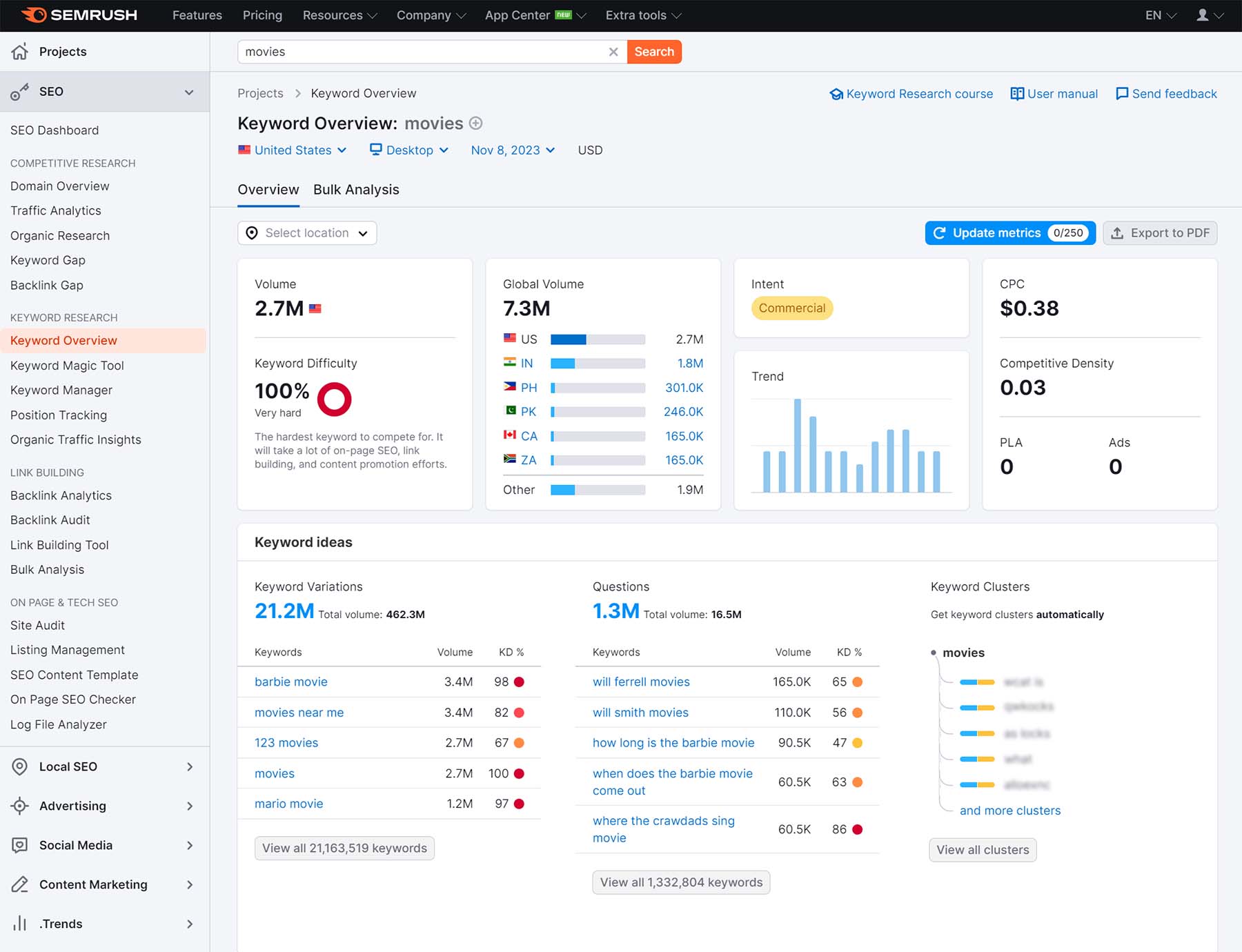
- SEMrush
Advertising Tools:
- Google Ads
- Facebook Ads Manager
Content Tools:
- Canva
- Grammarly
Automation Tools:
- HubSpot
- Mailchimp
These tools help improve efficiency and results.
A Realistic Day in the Life of a Digital Marketer
Here’s what a typical day might look like:
Morning:
- Check analytics dashboards
- Review campaign performance
Midday:
- Create or edit content.
- Optimize ads
Afternoon:
- Strategy meetings
- Keyword research
Evening:
- Monitor campaigns
- Engage on social media.
It’s a fast-paced role that requires multitasking.
How Digital Marketing Drives Business Growth?
Digital marketing directly impacts revenue.
Key Benefits:
- Increased visibility
- Better targeting
- Higher conversion rates
- Scalable campaigns
Businesses that invest in digital marketing grow faster and more efficiently.
Metrics That Matter in Digital Marketing
To truly understand what a digital marketer does, you must understand metrics.
Important KPIs:
- Traffic (visitors to a website)
- Conversion Rate
- Cost Per Click (CPC)
- Return on Investment (ROI)
- Engagement Rate
Digital marketers constantly monitor and optimize these metrics.
Challenges Digital Marketers Face
Despite its benefits, digital marketing has challenges.
1. Constant Algorithm Changes
Google and social platforms update frequently.
2. High Competition
Every business is online.
3. Keeping Up with Trends
New tools and strategies emerge constantly.
4. Data Overload
Too much data can be overwhelming.
5. Budget Constraints
Not all businesses have large marketing budgets.
5 Frequently Asked Questions About Digital Marketing
1. What does a digital marketer do for small businesses?
They help small businesses build an online presence, attract local customers, and generate leads through cost-effective strategies such as SEO, social media, and email marketing.
2. Can one person handle all digital marketing tasks?
Yes, especially in small businesses, but as companies grow, tasks are often divided among specialists like SEO experts, PPC managers, and content creators.
3. What qualifications do you need to become a digital marketer?
Formal degrees help, but many successful digital marketers are self-taught through online courses, certifications, and hands-on experience.
4. How do digital marketers measure success?
They se metrics like traffic, conversions, ROI, and engagement to evaluate campaign performance.
5. Is digital marketing better than traditional marketing?
Digital marketing offers better targeting, tracking, and cost-efficiency, making it more effective in most modern business environments.
Final Thoughts
So, what does a digital marketer do?
They do far more than just manage social media or run ads. They:
- Analyze data
- Create strategies
- Build campaigns
- Optimize performance
- Drive business growth
They are a critical part of any successful business in today’s digital-first world.
🚀 Ready to Take Your Business to the Next Level? Partner with Excell
If you want real growth, not just traffic, but actual qualified leads and revenue, you need a strategy that works.
At Excell, we don’t guess; we use proven, data-driven digital marketing strategies to help businesses dominate online.

Here’s what we can do for you:
✅ Rank your website on Google with powerful SEO
✅ Generate high-quality leads through Google Ads
✅ Build content that converts visitors into customers
✅ Optimize your entire digital funnel for maximum ROI
✅ Generate high-quality leads through Google Ads
✅ Build content that converts visitors into customers
✅ Optimize your entire digital funnel for maximum ROI
👉 Whether you’re struggling to get traffic or ready to scale aggressively, we’ve got you covered.
🔥 Don’t let your competitors outrank you. Don’t leave money on the table.
Contact us today and Book your free discovery call to get done for your services and start turning your online presence into a revenue-generating machine.
Contact us:
Contact us:
EXCELL INDUSTRIES LLC
6420 Richmond Ave., Ste 470
Houston, TX, USA
Phone: +1 832-850-4292
Email: info@excellofficial.com
6420 Richmond Ave., Ste 470
Houston, TX, USA
Phone: +1 832-850-4292
Email: info@excellofficial.com