



Interactive content marketing isn’t a trend anymore; it’s an audience expectation. People are tired of being talked at. They want to click, answer, explore, and experience content, not just consume it. That shift is exactly why interactive content marketing drives such strong results: it increases engagement, builds trust faster, qualifies leads automatically, and boosts conversions more consistently than static content ever could. In this guide, we’ll go deeper than the basics and show you why interactive content works, where it fits in your funnel, and how to use it to generate measurable growth for your brand.
Table of Contents:
- What Is Interactive Content Marketing?
- The Psychology Behind Why Interactive Content Works
- Key Benefits of Interactive Content Marketing
- The Best Types of Interactive Content (With Use Cases)
- Interactive Content Across the Buyer Journey
- How Interactive Content Marketing Supercharges SEO
- How to Build Interactive Content That Converts
- Distribution Strategies to Maximize Results
- Measuring Performance: The Right KPIs
- Common Pitfalls (and How to Avoid Them)
- Five Essential Questions About Interactive Content Marketing (With Answers)
- Conclusion + Excell Call to Action
1. What Is Interactive Content Marketing?
Interactive content marketing is any marketing content that requires audience participation rather than passive consumption. The user isn’t just reading or watching, they’re doing something that shapes the experience.
Traditional content does this:
- delivers information in one direction
- expects attention without interaction
- assumes the same message fits everyone
Interactive content marketing does this:
- asks the user to engage
- responds based on user input
- feels personalized even when automated
What makes content “interactive”?
Interactive content usually has at least one of these elements:
- A prompt for action: click, answer, swipe, drag, rate, choose, calculate.
- A feedback loop: the content responds to the user’s actions.
- Personalized outcomes: results shift based on input.
- A guided journey: it takes the user somewhere rather than leaving them to figure everything out on their own.
Examples include:
- quizzes
- calculators
- assessments
- polls
- interactive videos
- product match tools
- dynamic infographics
- clickable microsites
- gamified experiences
2. The Psychology Behind Why Interactive Content Works
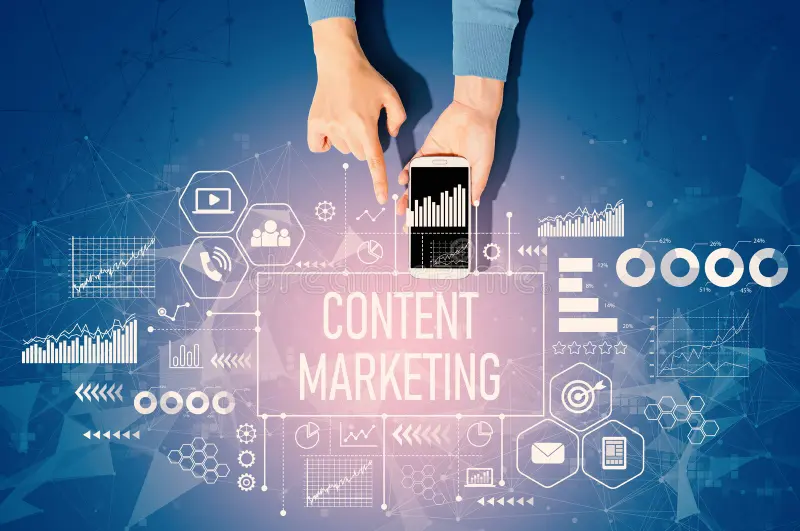
Passive content makes the brain lazy. Interactive content lights it up. When someone clicks, answers, or explores, they’re no longer a spectator; they’re a participant. Participation triggers:
- focus
- curiosity
- memory retention
- emotional engagement
And all of these increase the chance someone will stick around long enough to care about what you’re offering.
2.2 Curiosity drives completion
“Answer these questions to see your result.”
That tiny psychological tension keeps people moving forward. It’s the same reason people binge shows: they want resolution.
2.3 Micro-commitments create momentum
When users take a small action like answering Q1 of a quiz, they subtly commit to seeing it through. Each click builds momentum. This “micro-commitment effect” is huge for conversions because:
- It increases completion rates
- It reduces bounce
- It primes users to take the next step (like submitting an email)
Even simple personalization like:
“Based on your answers, here’s your recommended strategy…” creates the impression:
- “They get me.”
- “This is relevant to my situation.”
- “This brand is helpful, not pushy.”
Trust builds faster when users feel seen.
2.5 Instant feedback feels rewarding
3. Key Benefits of Interactive Content Marketing
Now, let’s translate psychology into a measurable advantage. Here’s what interactive content marketing does better than most traditional formats.
Benefit #1: Massive engagement lift
Interactive experiences keep users active, which naturally increases:
- time on page
- scroll depth
- repeat interactions
- content completion
More engagement isn’t a vanity metric. Engagement is what fuels:
- stronger brand recall
- better SEO signals
- more qualified leads
Benefit #2: Higher lead quality (not just more leads)
Interactive content marketing attracts motivated users who have already invested effort. That effort signals intent.
Even better, interactive formats gather behavioral data before a sales call or conversion. You learn:
- what they want
- where they struggle
- what stage they’re in
- What solution fits best
So instead of collecting random emails, you build a list of categorized, informed prospects.
Benefit #3: Built-in audience segmentation

A quiz like “What’s Your Best Growth Channel?” can segment users into:
- SEO-focused leads
- paid ads leads
- social-first leads
- email nurture leads
Then your follow-up funnel can match their category with tailored offers. That’s where interactive content marketing becomes a profit multiplier.
Benefit #4: Better conversion rates
Interactive tools reduce friction in decision-making. Instead of pushing a user to “book a call,” you guide them to their conclusion.
Calculators and assessments often work like silent sales reps:
- They clarify value
- prove ROI
- confirm fit
- remove doubt
Benefit #5: Shareability and virality
People share experiences more than information. A quiz result or score feels personal. That makes interactive content marketing naturally shareable, especially on social.
Benefit #6: Longer content lifespan
A blog post might peak for a few weeks. A good interactive asset can generate leads for years because:
- It stays evergreen
- It’s unique enough to earn backlinks
- It can be updated without rebuilding
4. The Best Types of Interactive Content (With Use Cases)
Let’s go deeper into each type and where it shines most.
4.1 Quizzes and personality tests
These are lightweight, high-engagement assets.
Why they work:
- low effort
- high curiosity payoff
- easy to share
- awareness campaigns
- social engagement
- audience discovery
- initial segmentation
- “What Type of Marketer Are You?”
- “Which Content Strategy Fits Your Brand?”
- “What’s Your SEO Skill Level?”
4.2 Assessments and interactive audits
These are deeper, more serious experiences.
Why they work:
- feel valuable and consultative
- build authority
- create high-intent leads
- mid-funnel lead magnets
- qualification tools
- sales enablement
- “Interactive SEO Readiness Audit”
- “Marketing Maturity Assessment”
- “Brand Consistency Scorecard”
4.3 Calculators and estimators
Calculators are conversion engines disguised as tools.
Why they work:
- show personalized outcomes
- support decision-making
- prove ROI in the user’s terms
- bottom-funnel conversions
- pricing transparency
- value validation
- “Estimate Your ROI from Interactive Content Marketing”
- “Traffic-to-Revenue Calculator”
- “Cost Savings Estimator”

- minimal effort
- high response rate
- immediate feedback
- audience research
- social engagement
- content ideation
- live event participation
These let users explore information at their own pace.
Why they work:
- reduce overwhelm
- increase time-on-page
- make complex topics digestible
- educational content
- PR campaigns
- link-building assets
Instead of watching, users choose paths.
Why they work:
- keeps attention longer
- feels immersive
- improves recall
- product demos
- onboarding
- training modules
- “Choose your journey” storytelling
Badges, progress bars, mini-challenges.
Why they work:
- adds motivation
- introduces fun
- increases completion
- email funnels
- communities
- learning/education brands
5. Interactive Content Across the Buyer Journey
Interactive content marketing performs best when mapped intentionally to your funnel.
Awareness stage (Top of Funnel)
Goal: attract attention and spark curiosity.
Best formats:
- fun quizzes
- polls
- interactive social stories
- clickable infographics
You’re not asking for a big commitment yet. You’re building interest in a low-pressure way.
Consideration stage (Middle of Funnel)
Goal: educate, nurture, and qualify.
Best formats:
- assessments
- interactive guides
- calculators (light versions)
- product match tools
Why it works here:
The user is actively comparing solutions. Interactive content helps them self-identify their needs.
Decision stage (Bottom of Funnel)
Goal: reduce friction and close.
Best formats:
- ROI calculators
- interactive demos
- pricing configurators
- decision trees
Why it works here:
6. How Interactive Content Marketing Supercharges SEO
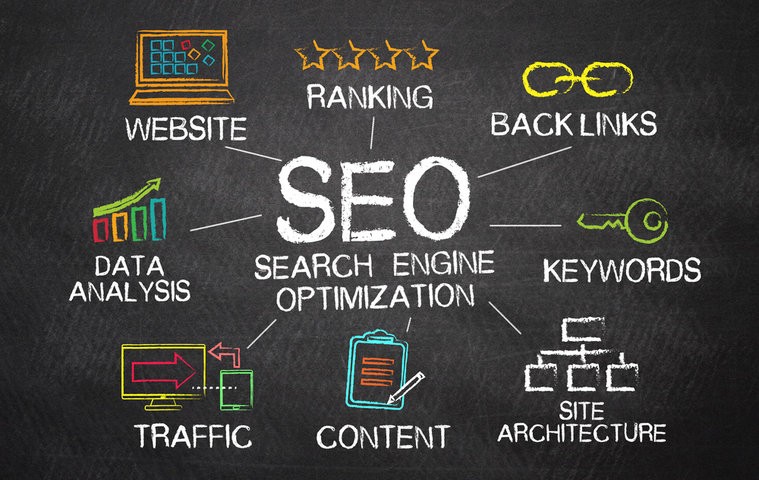
Users stick around to complete the experience.
2. Higher dwell time
Time-on-page increases because interactivity creates a “next step” loop.
3. More backlinks
Unique tools, such as calculators and audits, naturally earn links.
4. Better topical authority
Interactive content often delves deeply into topics and demonstrates expertise.
5. Higher returning visitors
People revisit tools as their needs evolve.
Even if you never touch a keyword, interactive content marketing improves site performance in a way that makes rankings easier to win.
7. How to Build Interactive Content That Converts
Let’s walk through a practical creation framework, Excel-style.
Step 1: Start with a real audience problem
The best interactive content marketing assets aren’t built around what you want to say. They’re built around what your audience wants to solve.
Make a list of:
- top customer questions
- decision blockers
- confusion points
- “Which option is best for me?” moments
Those are interactive gold mines.
Step 2: Match format to intent
Pick a format based on how your audience thinks right now.
- Curious and exploring? → quiz
- overwhelmed and unsure? → guided assessment
- comparing costs? → calculator
- stuck between options? → product match tool
Step 3: Design an intense payoff
Interactive content must feel worth finishing. Make the outcome clear from the start:
- “Get your personalized plan in 2 minutes.”
- “Find out what strategy fits your goals.”
- “See your exact ROI estimate instantly.”
Step 4: Keep it short, not shallow
Aim for:
- 6–10 quiz questions
- 60–120 second experience
- clear progress indicator
Short doesn’t mean fluffy. Every step should feel meaningful.
Step 5: Gate results after value
Best structure:
- user engages
- The user gets the preview result
- user enters email to unlock full result + detailed breakdown
Step 6: Create a follow-up funnel
This is where interactive content marketing turns into revenue.
Use response-based segmentation like:
- beginner vs advanced users
- budget tiers
- pain point categories
- solution preference
8. Distribution Strategies to Maximize Results
Even the best interactive asset needs promotion. Here’s where interactive content marketing shines in distribution.
On your website
- embed quizzes within high-traffic blogs
- Add calculators to service pages
- Use assessments as lead magnets
- Send quizzes to re-engage cold lists
- Use assessments as onboarding tools
- segment subscribers automatically
- publish poll snippets
- tease quiz questions
- share results graphics
Interactive assets often outperform standard landing pages because:
- They feel less salesy
- The user gets value first
- The CTA is experiential
9. Measuring Performance: The Right KPIs
Interactive content marketing gives you way more insight than static content. Don’t waste that advantage.

Track:
- Engagement rate – percent who interact
- Completion rate – percent who finish
- Average time spent – dwell time
- Lead capture rate – submissions/participants
- Drop-off points – where people quit
- Segment trends – patterns in answers
- Downstream conversion – sales tied to segments
10. Common Pitfalls (and How to Avoid Them)
Fix: shorten questions, reduce steps, and add progress indicators.
Pitfall #2: Weak results
Fix: make results specific, actionable, and personalized.
Pitfall #3: No CTA bridge
Fix: Every result page needs a next step aligned with the user’s segment.
Pitfall #4: Treating it like a one-off campaign
Fix: build interactive content into your evergreen funnel, then optimize over time.
Pitfall #5: Ignoring mobile UX
11. Five Essential Questions About Interactive Content Marketing (With Answers)
Answer:
Traditional content is passive; it asks users to read or watch. Interactive content marketing requires participation and responds to user input. That two-way structure increases engagement, makes content feel personalized, and generates valuable behavioral data for segmentation and follow-up.
Q2: Does interactive content marketing really improve SEO?
Yes, indirectly. Interactive content marketing increases dwell time, reduces bounce rates, and earns backlinks, three major SEO signals. Search engines interpret these behaviors as signs of valuable content, which can support higher rankings over time.
Q3: What types of businesses benefit most from interactive content marketing?
Any business that relies on customer decisions benefits, but it’s especially powerful for B2B services, eCommerce brands, SaaS platforms, finance, legal, real estate, education, and wellness. If your audience asks, “What’s right for me?”, interactive content marketing provides the answer in a scalable way.
Q4: How do I choose the proper interactive format?
Choose based on funnel stage and user intent:
- Awareness → quizzes, polls, interactive social content
- Consideration → assessments, interactive guides, calculators
- Decision → ROI calculators, demos, configurators
- The best format is the one that guides the audience to the next step.
Q5: What is the simplest way to start with interactive content marketing?
12. Conclusion + Excell Call to Action
Interactive content marketing drives results because it changes the role of your audience. Instead of expecting people to sit still and absorb information, you invite them to participate in a participatory experience. And when people participate, they:
- pay attention longer
- trust faster
- convert more often
- share more naturally
- Give you richer data
This is what modern marketing is moving toward: less broadcasting, more guiding. Less guessing, more personalization. Less static content, more experiences.
If your current content strategy feels like shouting into the void, getting clicks but not conversions, interactive content marketing is your upgrade. It turns your funnel into a conversation, your lead gen into a qualification engine, and your brand into something people remember.

Strong Call to Action
At Excell, we build interactive content marketing systems that don’t just look impressive; they drive measurable growth. Whether you want a lead-qualifying quiz, a revenue-predicting calculator, or a full-funnel interactive campaign, we’ll design and execute the strategy that fits your market and goals.
Ready to turn your content into a conversion engine?
Contact us today and Book your free discovery call to get done for your services, and let’s create interactive content marketing that delivers real results for your brand.
Contact us:
6420 Richmond Ave., Ste 470
Houston, TX, USA
Phone: +1 832-850-4292
Email: info@excellofficial.com